


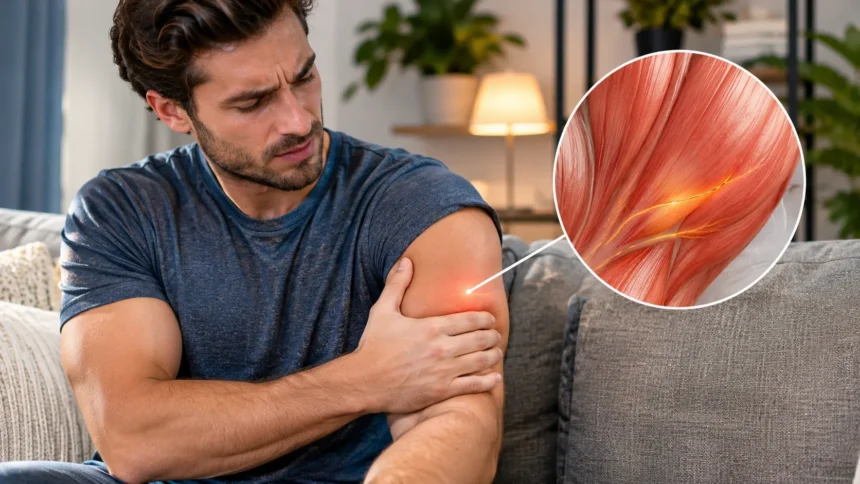
Muscle twitching in the arm can feel strange, especially when it happens without warning. You might notice a small movement beneath your skin, a fluttering sensation near your elbow, or repeated contractions in your upper arm. Although these movements can be distracting, many episodes are harmless and disappear without medical treatment.
Arm muscle twitching can develop for several reasons, including physical fatigue, stress, caffeine intake, and temporary changes in nerve activity. Sometimes, however, persistent twitching may be associated with medication effects, nerve irritation, or an underlying medical condition. Understanding the possible causes can help you recognize when simple lifestyle adjustments may be useful.
This guide explains why arm muscles twitch, the symptoms you might experience, and practical ways to manage occasional episodes. It also explores possible nutritional factors, nerve-related conditions, and warning signs that deserve medical attention. Learning more about these involuntary movements can help you respond calmly and make informed decisions about your health.
What Is Muscle Twitching in the Arm?
Muscle twitching refers to small, involuntary contractions that occur when muscle fibers receive signals from motor nerves. These movements are commonly called fasciculations and may be visible beneath the skin. They can affect different areas of the arm, including the biceps, triceps, and forearm muscles. Most twitches occur without conscious effort and last only briefly.
Some people describe the sensation as fluttering, jumping, pulsing, or tiny vibrations beneath the skin. A twitch may occur once or repeat intermittently over several minutes. In many cases, it does not cause significant pain or interfere with normal arm movement. However, repeated contractions can become distracting, particularly when they happen during rest or before sleep.
Muscle twitching differs from a muscle cramp, which usually involves a stronger, more sustained, and often painful contraction. It also differs from tremors, which produce rhythmic shaking or repeated movement of a body part. Recognizing these differences can help you describe your symptoms accurately. A healthcare professional can determine which type of involuntary movement you are experiencing.
Common Causes of Muscle Twitching in the Arm
Occasional arm twitching often develops because of temporary changes in muscle or nerve activity. Physical exertion, insufficient sleep, emotional stress, and stimulant consumption are familiar triggers. These factors may increase muscle excitability or make small involuntary contractions more noticeable. In many situations, symptoms improve once the contributing trigger has been addressed.
Another possible cause is irritation affecting nerves that supply the muscles of the arm. Nerve compression around the neck, elbow, or wrist may sometimes contribute to unusual muscle sensations. However, nerve-related conditions often produce additional symptoms, such as tingling, numbness, discomfort, or weakness. Twitching alone cannot identify a particular nerve problem.
Certain medications and medical conditions can also contribute to involuntary muscle contractions. For example, electrolyte disturbances, thyroid disorders, and some neurological conditions may affect normal neuromuscular function. These causes are less straightforward than everyday fatigue or stress. A clinician may consider your medical history, associated symptoms, and medication use when investigating persistent twitching.
Muscle Fatigue and Overuse
Physical fatigue is a common reason people notice muscle twitching after demanding activities. Weightlifting, repetitive lifting, gardening, and prolonged gripping can place considerable demands on arm muscles. After intense exercise, temporary changes in muscle and nerve activity may produce small involuntary contractions. These twitches often settle as the affected muscles recover.
Repetitive movements may also contribute to arm discomfort and muscle tiredness during daily activities. Typing, carrying objects, or performing the same manual task for long periods can create localized strain. Although repetitive activity does not always cause twitching, it may contribute to muscular fatigue. Alternating tasks and allowing recovery breaks can help manage excessive physical demands.
If twitching follows exercise, consider whether your training intensity increased recently. Sudden changes in resistance, duration, or repetition volume can make muscles feel unusually tired. Reducing demanding activity temporarily may allow symptoms to settle. Persistent pain, weakness, or significant swelling after exercise requires professional assessment rather than assuming the problem is ordinary fatigue.
Stress and Anxiety-Related Muscle Twitching
Emotional stress can influence the body’s nervous system and increase awareness of physical sensations. During stressful periods, some people experience muscle tension, restlessness, and occasional involuntary movements. Arm twitching may become more noticeable when someone is anxious or repeatedly checking for symptoms. This experience does not automatically indicate a serious medical problem.
Stress may also affect sleep quality, breathing patterns, and everyday habits that influence muscle comfort. For example, a person experiencing prolonged stress might sleep poorly or consume more caffeine. These additional factors can contribute to physical symptoms. As a result, managing stress may reduce several possible triggers rather than addressing only emotional tension.
Gentle activity, regular sleep habits, and relaxation exercises may help manage stress-related symptoms. Slow breathing or short periods of quiet rest can also make it easier to manage physical tension. However, symptoms should not automatically be attributed to anxiety without considering other causes. Persistent twitching accompanied by weakness or other neurological symptoms deserves medical evaluation.
Caffeine and Other Stimulants
Caffeine stimulates the central nervous system and can increase alertness during the day. For some people, excessive intake may also contribute to shakiness, restlessness, or muscle twitching. Coffee, tea, energy drinks, and certain supplements contain varying amounts of caffeine. Individual sensitivity differs, so the same amount may affect people differently.
Arm twitching may become more noticeable after consuming large amounts of caffeinated beverages, especially alongside insufficient sleep. Some stimulant-containing medications may have similar effects. However, caffeine is not responsible for every episode of muscle twitching. Looking at the timing of symptoms alongside daily habits may help identify whether stimulants are contributing.
If you suspect caffeine is a trigger, consider reducing your intake gradually and observing changes in symptoms. Avoid relying on energy drinks to compensate for ongoing sleep deprivation. Some people experience headaches or tiredness when they suddenly stop consuming caffeine. If a prescribed stimulant medication might be involved, discuss concerns with your prescriber before making changes.
Dehydration and Electrolyte Imbalances
Proper hydration helps maintain normal muscle and nerve function throughout the body. When fluid losses become significant, particularly during intense exercise or illness, muscle symptoms may develop. Dehydration can also occur alongside changes in electrolyte levels. However, occasional arm twitching does not necessarily mean you are dehydrated or lacking minerals.
Electrolytes such as sodium, potassium, calcium, and magnesium contribute to electrical signaling in nerves and muscles. Significant disturbances in these minerals may produce muscle cramps, weakness, twitching, or other symptoms. The causes can include certain illnesses, medications, and substantial fluid losses. It is difficult to identify an electrolyte problem through symptoms alone.
Drinking fluids regularly and maintaining a varied diet support normal hydration and mineral intake. People exercising in hot conditions may need additional attention to fluid replacement. Avoid taking large amounts of electrolyte supplements without medical guidance, since excessive intake can also be harmful. Persistent symptoms may require professional evaluation and, when appropriate, laboratory testing.
Vitamin and Mineral Deficiencies
Some vitamins and minerals play important roles in healthy nerve signaling and muscle activity. Vitamin B12, calcium, magnesium, and other nutrients support different aspects of neuromuscular function. Significant deficiencies can sometimes contribute to unusual muscle sensations or weakness. However, isolated twitching is not enough to diagnose a nutritional deficiency.
Vitamin B12 deficiency, for example, may affect peripheral nerves and produce symptoms such as tingling, numbness, or balance difficulties. Calcium and magnesium disturbances may also influence muscle excitability. These conditions have several possible causes, including dietary factors and absorption problems. A healthcare professional can determine whether nutritional testing is appropriate based on your circumstances.
A balanced eating pattern containing vegetables, fruits, whole grains, protein sources, and other nutrient-rich foods supports general muscle health. It is usually better to address confirmed deficiencies than to take multiple supplements without knowing your needs. Excessive supplementation can produce unwanted effects. If nutritional concerns exist alongside persistent twitching, seek individualized advice from a qualified healthcare professional.
Nerve Irritation and Compression
Nerves carry signals from the spinal cord to muscles throughout the arms and hands. When a nerve becomes irritated or compressed, it may cause pain, tingling, numbness, or weakness. Certain nerve conditions can also produce muscle twitching. The exact symptoms depend on which nerve is affected and how much its function has changed.
Cervical radiculopathy occurs when a nerve root in the neck becomes irritated or compressed. This condition may produce symptoms that travel from the neck into the shoulder, arm, or hand. Other nerve problems can develop around the elbow or wrist. However, small isolated twitches without other symptoms are not sufficient evidence of nerve compression.
Persistent numbness, reduced grip strength, or noticeable muscle weakness should be evaluated by a healthcare professional. A clinician may examine reflexes, sensation, and muscle strength to identify possible nerve involvement. Additional tests are sometimes necessary. Treatment depends on the underlying cause and may involve activity changes, rehabilitation, medication, or specialized medical care.
Muscle Twitching in the Biceps and Upper Arm
The biceps muscle is located at the front of the upper arm and contributes to elbow bending and forearm rotation. Small involuntary contractions in this region may appear as brief movements beneath the skin. Some people notice biceps twitching after resistance training or repetitive lifting. Others experience it while resting without an obvious trigger.
Upper arm twitching may also involve the triceps, which helps straighten the elbow. These muscles receive signals through different nerve pathways and participate in numerous everyday movements. Temporary fatigue or increased muscle excitability may contribute to occasional contractions. The location of a twitch alone does not establish its cause or medical significance.
If upper arm twitching occurs after physical activity, review your training demands and recovery habits. Allow sufficient rest between demanding sessions and avoid repeatedly exercising an already uncomfortable muscle. Monitor whether symptoms gradually settle. Twitching accompanied by persistent weakness, significant pain, or reduced arm function warrants assessment by a medical professional.
Forearm and Hand Muscle Twitching
The forearm contains several muscles that control wrist movement, gripping, and finger motion. These muscles are frequently involved in typing, writing, carrying objects, and other repetitive activities. Occasional twitching may appear around the wrist or along the inner or outer forearm. It can sometimes be noticeable when the hand is resting.
Hand twitching may involve small muscles that help coordinate finger movement. Fatigue, stimulant intake, and temporary changes in nerve activity are possible contributors. However, persistent twitching combined with tingling or reduced grip strength may indicate nerve involvement. The pattern of symptoms is more informative than the location of a single twitch.
Taking breaks from prolonged repetitive activity may help reduce muscular fatigue. Adjusting workstation setup and avoiding unnecessary gripping force can also improve comfort. These measures do not treat every cause of twitching, particularly when a nerve or medical condition is involved. Seek evaluation if symptoms become persistent or begin interfering with hand coordination.
Why Your Arm Twitches While Resting or Sleeping
Many people notice muscle twitching most clearly when they are sitting quietly or preparing for sleep. During rest, there are fewer distractions, making subtle physical sensations easier to recognize. Small contractions that go unnoticed during activity may suddenly feel more obvious. This increased awareness does not necessarily mean the muscle problem has become more severe.
Poor sleep can also contribute to increased muscle excitability and physical discomfort. Irregular sleep schedules, stimulant consumption, and stressful daily routines may make symptoms more noticeable. Some movements occurring around sleep are different from ordinary fasciculations. For example, brief sleep-start jerks can involve larger movements and are usually associated with the transition into sleep.
Maintaining regular sleep habits may help reduce symptoms associated with fatigue and stress. A comfortable sleeping position can also reduce unnecessary pressure on the arms. Avoid repeatedly checking the affected muscle throughout the night, since this can disrupt rest. If twitching consistently interrupts sleep or occurs with additional symptoms, discuss it with a healthcare professional.
Is Muscle Twitching in the Arm a Serious Problem?
Most occasional muscle twitches are not caused by a serious medical condition. They frequently occur in otherwise healthy people and may disappear without treatment. Benign fasciculations can develop during periods of stress, fatigue, or increased physical activity. Nevertheless, the meaning of twitching depends on the complete symptom pattern rather than the movement alone.
Some neurological disorders can also produce muscle twitching, but they usually involve additional clinical findings. Progressive weakness, muscle wasting, and changes in physical function are more concerning than isolated intermittent contractions. Twitching by itself does not establish a diagnosis of a neurological disease. Online symptom comparisons can create unnecessary worry without providing a reliable explanation.
If twitching continues for several weeks, spreads to multiple areas, or occurs alongside other symptoms, arrange a medical assessment. A professional can review possible triggers and examine muscle strength, sensation, and reflexes. Most evaluations begin with a clinical history and physical examination. Additional testing is considered when the findings suggest an underlying medical problem.
Home Relief Tips for Occasional Arm Muscle Twitching
Simple lifestyle adjustments may help when arm twitching appears related to fatigue, stress, or everyday habits. Begin by considering recent physical activity, sleep patterns, and stimulant consumption. Temporarily reducing demanding exercises may give tired muscles an opportunity to recover. Avoid forcing movements or stretches that create additional discomfort.
Gentle stretching and comfortable arm movement may reduce feelings of tightness after repetitive activities. Relaxing the shoulders and changing positions regularly can also improve general comfort. However, stretching is not a guaranteed treatment for fasciculations because twitching often begins with nerve signaling. Stop any movement that produces pain, numbness, or increasing symptoms.
Maintaining hydration, eating regular balanced meals, and prioritizing sleep may support normal muscle function. If stress seems to be contributing, use manageable relaxation practices and physical activity appropriate for your abilities. Track recurring symptoms without constantly monitoring every contraction. These steps may help with occasional twitching, but persistent or worsening symptoms require professional guidance.
How to Prevent Repeated Arm Muscle Twitching
Not every episode of muscle twitching can be prevented, but certain habits may reduce common triggers. Maintaining a consistent sleep routine is a useful starting point because insufficient rest can affect nervous system activity. Gradually increasing exercise demands also allows muscles to adapt. Avoid sudden changes in workout intensity when returning to physical activity.
During repetitive tasks, consider alternating activities and taking short movement breaks. Comfortable workstation positioning can help limit unnecessary muscular strain. When strength training, focus on controlled technique and appropriate recovery rather than pushing through severe fatigue. These practices support general muscle health even when they do not eliminate every involuntary contraction.
Pay attention to stimulant intake and possible medication-related effects. If twitching began after starting a new prescription, discuss the timing with your healthcare professional. Do not stop prescribed medication without appropriate guidance. Building consistent daily habits may reduce preventable triggers while making it easier to recognize symptoms that require further evaluation.
When to See a Doctor for Arm Muscle Twitching
Occasional twitching without pain or weakness may not require immediate medical attention. However, symptoms that persist, become more frequent, or interfere with daily activities deserve professional evaluation. A clinician can help identify whether fatigue, medication effects, nerve irritation, or another condition may be involved. An assessment is especially useful when there is no clear explanation.
Seek prompt medical advice if twitching occurs with new weakness, muscle wasting, persistent numbness, or difficulty coordinating arm movements. These symptoms may suggest changes in nerve or muscle function that need investigation. Difficulty gripping objects or performing previously manageable tasks also deserves attention. A professional examination can clarify whether specialized testing is necessary.
Sudden arm weakness accompanied by facial drooping, speech difficulties, or other sudden neurological symptoms requires emergency medical attention. Severe symptoms should not be dismissed as ordinary muscle twitching. Depending on the findings, a healthcare professional may recommend blood tests, nerve conduction studies, or other investigations. Appropriate care depends on identifying the underlying cause rather than treating every twitch identically.
Conclusion
Muscle twitching in the arm is a relatively common experience and is often associated with everyday factors such as fatigue, stress, caffeine, or physical exertion. These small involuntary contractions may occur in the upper arm, forearm, or hand. In many cases, occasional twitching improves naturally without specific medical treatment.
Healthy habits such as sufficient sleep, appropriate exercise recovery, balanced nutrition, and manageable stimulant intake may help reduce certain triggers. Gentle movement and adjustments to repetitive activities can also support muscle comfort. However, these strategies do not replace medical treatment when twitching is caused by an underlying nerve or muscle condition.
If your symptoms persist, worsen, or appear alongside weakness, numbness, or muscle wasting, consult a healthcare professional. A proper evaluation can help identify the cause and determine whether further testing is appropriate. Understanding the difference between common triggers and warning signs can help you manage arm twitching more confidently.
Frequently Asked Questions
What Causes Random Muscle Twitching in the Arm?
Random arm twitching may result from muscle fatigue, stress, insufficient sleep, caffeine, or temporary changes in nerve activity. Persistent symptoms can sometimes have other medical causes.
Is Muscle Twitching in the Arm Normal?
Occasional arm muscle twitching is common and often harmless, especially without pain or weakness. However, persistent twitching or symptoms involving reduced muscle function should be evaluated by a healthcare professional.
Can Anxiety Cause Muscle Twitching in the Arm?
Yes, anxiety and emotional stress may contribute to muscle tension and increased awareness of involuntary contractions. Poor sleep and increased caffeine consumption during stressful periods may also contribute.
How Can I Stop My Arm Muscle From Twitching?
Try allowing tired muscles to recover, getting adequate sleep, reducing excessive caffeine, and maintaining normal hydration. If twitching persists or accompanies weakness, seek medical advice rather than relying only on home remedies.
When Should I Worry About Muscle Twitching in My Arm?
Seek medical attention when twitching accompanies progressive weakness, muscle wasting, persistent numbness, or impaired movement. Sudden weakness with facial or speech changes requires emergency medical assessment.