


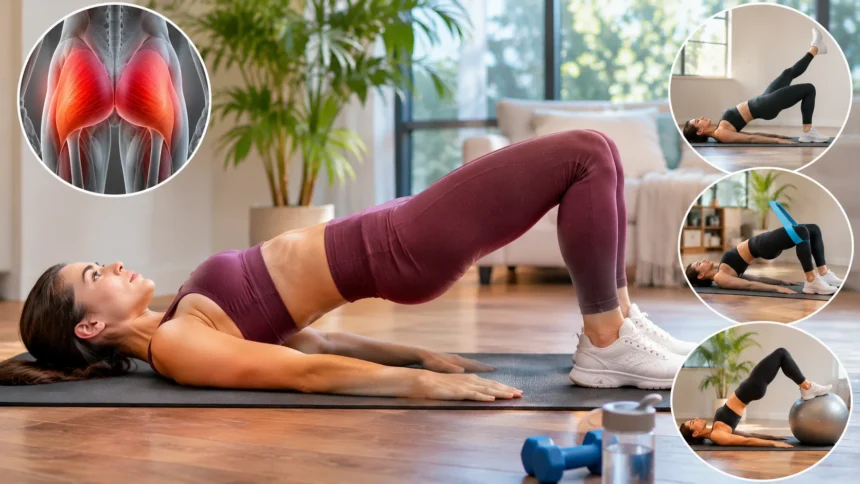
The bridges workout is a simple and effective way to strengthen muscles around your hips, glutes, and core. You can perform this exercise at home without expensive equipment or a gym membership. Its controlled movement makes it a useful addition to many beginner-friendly fitness routines.
Although the movement looks easy, proper technique matters for comfort and effectiveness. Glute bridges involve lifting your hips while keeping your shoulders and feet supported on the floor. This action activates several muscle groups that contribute to everyday movement, balance, and physical activity.
Understanding how to perform bridges correctly can help you build strength and improve movement control. This guide covers the benefits of bridge exercises, proper form, common mistakes, useful variations, and practical workout tips. You will also learn how to include bridges in a balanced exercise routine.
What Is a Bridges Workout?
A bridges workout involves exercises that strengthen the muscles around your hips, pelvis, and trunk. The most common version is the glute bridge, performed while lying on your back with your knees bent. You raise your hips from the floor and lower them using controlled movement.
The exercise mainly targets the gluteal muscles, particularly the gluteus maximus. It also involves the hamstrings and muscles that help stabilize the trunk and pelvis. Different bridge variations can change how these muscles contribute to the movement.
Bridges are commonly included in strength training, warm-up routines, and physical rehabilitation programs. Their simplicity makes them accessible to many people, although individual abilities and medical conditions should guide exercise selection. A well-performed bridge emphasizes control rather than speed or excessive lifting height.
Which Muscles Do Bridge Exercises Work?
The gluteus maximus is the primary muscle responsible for extending the hips during a basic glute bridge. This large muscle contributes to movements such as standing, walking uphill, and climbing stairs. Strengthening it can support a variety of everyday physical activities.
The hamstrings also assist during hip extension, while abdominal and back muscles help maintain controlled trunk positioning. Other muscles around the pelvis contribute to stability throughout the exercise. The exact amount of muscle involvement depends on technique, foot placement, and the variation performed.
Although bridges challenge several muscle groups, they should not replace an entire strength-training program. A balanced routine also includes movements for the legs, upper body, and cardiovascular fitness. Combining different exercises helps develop broader physical abilities and movement confidence.
How to Perform a Basic Glute Bridge Correctly
Begin by lying on your back on a comfortable exercise mat or firm surface. Bend your knees and place your feet flat on the floor, approximately hip-width apart. Keep your arms relaxed beside your body and find a comfortable position for your head and shoulders.
Gently engage your glutes and raise your hips until your trunk and thighs form a comfortable line. Keep your feet grounded and avoid forcing your lower back into an exaggerated arch. Breathe naturally as you lift, and stop at a height that feels controlled.
Lower your hips slowly toward the floor before beginning another repetition. Focus on smooth movement rather than lifting quickly or using momentum. If the exercise causes sharp pain or unusual discomfort, stop and consider an easier variation or professional guidance.
Benefits of Bridges Workout for Everyday Fitness
Bridge exercises can help strengthen muscles involved in hip extension and pelvic control. These muscles contribute to everyday activities such as standing from a chair, walking, and climbing stairs. Regular strengthening may improve how comfortably you perform certain movements over time.
Another benefit is the opportunity to practice controlled movement without standing or balancing on one leg. This makes basic bridges a practical exercise for people developing strength and coordination. However, the exercise may need modification depending on individual mobility and comfort.
Bridges are also convenient because they require very little space or equipment. You can include them in home workouts, general strength sessions, or professionally recommended rehabilitation programs. Their usefulness comes from appropriate technique, gradual progression, and consistency rather than completing large numbers of repetitions.
How Bridges Strengthen the Glute Muscles
The gluteal muscles play an important role in moving and supporting the hips. During a bridge, the gluteus maximus helps raise the pelvis by extending the hip joints. Repeated controlled movements challenge the muscles and may improve their ability to produce force.
The exercise can be adjusted by changing the movement range, resistance, or number of repetitions. Beginners may start with a small hip lift before progressing toward a more complete movement. This allows the muscles to work at an appropriate level without unnecessary strain.
For example, someone who finds basic bridges easy may eventually use a resistance band or another suitable variation. However, increasing difficulty is not required during every workout. Maintaining good control and comfortable movement remains more important than making the exercise continuously harder.
Can Bridges Improve Core Strength and Stability?
Bridge exercises involve trunk muscles that help control the position of the pelvis and spine. These muscles work alongside the glutes to maintain a steady movement pattern. This makes bridges a useful addition to routines focused on general core strength and coordination.
The exercise challenges the body to lift the pelvis without unnecessary twisting or excessive spinal movement. Maintaining this control involves several muscle groups working together. However, bridges primarily emphasize hip extension rather than training every function of the core.
For broader core conditioning, combine bridges with appropriate exercises such as bird dogs, dead bugs, or modified planks. Each movement challenges trunk control differently. A varied routine can support strength and coordination without relying on one exercise for every fitness goal.
Are Bridge Exercises Good for Lower Back Support?
Glute bridges are sometimes included in exercise programs for people with certain types of lower back discomfort. They can help develop hip muscle strength and controlled trunk movement. However, not all back pain is caused by muscle weakness, and bridges are not suitable for every condition.
When performed comfortably, bridges may help people practice moving through the hips while maintaining trunk control. This can be useful within an individualized rehabilitation program. The exercise should not involve forcing the lower back into an uncomfortable arch or pushing through increasing pain.
If you experience persistent back pain, a healthcare professional or physical therapist can help identify appropriate exercises. Sudden serious neurological symptoms require urgent assessment. Exercise should support recovery and physical function rather than replace necessary medical evaluation.
Bridges Workout for Beginners
Beginners can start with a basic bodyweight bridge performed at a comfortable pace. Choose a stable surface and focus on learning the movement before increasing difficulty. A short session with controlled repetitions is often enough to become familiar with the exercise.
Begin with a manageable number of repetitions, resting whenever you need to. You might perform one or two comfortable sets while paying attention to your breathing and movement quality. There is no need to reach a particular repetition target immediately.
As the exercise becomes easier, gradually increase the number of controlled repetitions or add another set. Progress according to your abilities rather than comparing yourself with other people. If discomfort develops, adjust the movement or seek guidance about suitable alternatives.
How Many Glute Bridges Should You Do?
The appropriate number of glute bridges depends on your fitness experience, exercise goals, and recovery needs. Beginners may find that a small number of controlled repetitions provides enough challenge. More experienced individuals may use additional sets or resistance.
For a general beginner routine, one or two sets of approximately eight to twelve comfortable repetitions can be a practical starting point. However, these numbers are flexible rather than mandatory. Stop earlier if movement quality declines or the exercise becomes uncomfortable.
Over time, you can adjust repetitions based on how easily you complete each set. Adding more repetitions is not always the best way to progress. Different variations, resistance levels, and overall workout structure can provide additional challenges when appropriate.
How Often Should You Perform Bridge Exercises?
Bridge exercises can be included in regular strength-training routines several times per week. The most suitable frequency depends on exercise intensity, physical activity levels, and personal recovery needs. Gentle rehabilitation exercises may follow a different schedule from demanding resistance workouts.
For general fitness, performing bridges two or three days per week may be reasonable for many beginners. These sessions can be combined with other lower-body and core exercises. Allowing adequate recovery helps maintain movement quality and avoid unnecessary fatigue.
You do not need to perform bridges every day to experience improvement. Consistency across weeks matters more than completing excessive amounts of exercise. Choose a routine that fits your schedule and allows you to remain comfortable during other daily activities.
Single-Leg Bridge Exercise and Its Benefits
The single-leg bridge is a more challenging variation of the traditional glute bridge. It involves supporting your body primarily through one foot while keeping the pelvis controlled. This increases the coordination and strength demands on the working side.
Begin with a comfortable basic bridge before attempting single-leg variations. When ready, keep one foot supported and adjust the other leg’s position according to your control and comfort. Raise your hips slowly without allowing the pelvis to twist excessively.
This exercise may be useful for people who have already developed adequate strength with standard bridges. However, it is not necessary for everyone. Those experiencing hip, knee, or back discomfort may benefit from continuing with simpler variations or receiving professional guidance.
Elevated Glute Bridges for Different Training Needs
An elevated glute bridge uses a raised surface to change the position of the feet or upper body. Different setups alter the movement demands and may increase exercise difficulty. The chosen surface must remain stable and appropriate for the person’s abilities.
For a feet-elevated bridge, the feet rest on a secure platform while the shoulders remain supported on the floor. This variation can change the contribution of the hamstrings and other muscles. However, it may feel more demanding than the standard exercise.
Start with a low, stable surface if this variation is appropriate for your experience. Avoid unstable furniture or setups that could slip during movement. Controlled technique and safe equipment placement are more important than achieving a greater lifting height.
Resistance Band Glute Bridges
Resistance bands can provide an additional challenge during bridge exercises. A suitable exercise band is often positioned above the knees to create resistance against inward knee movement. This encourages additional activity from muscles involved in hip control.
Begin with a light resistance band and perform a standard bridge using comfortable technique. Keep the knees aligned naturally without forcing them excessively outward. Continue breathing normally and avoid increasing resistance when the movement becomes difficult to control.
Resistance bands are optional rather than essential for effective bridge training. Bodyweight bridges can already provide meaningful muscular work, particularly for beginners. Bands may become useful when you want more exercise variety and can maintain consistent technique.
Glute Bridges vs. Hip Thrusts: What’s the Difference?
Glute bridges and hip thrusts both involve extending the hips against resistance. However, their starting positions and movement ranges differ. A traditional glute bridge is usually performed on the floor, while a hip thrust generally uses an elevated upper-back support.
Hip thrusts can provide a larger movement range depending on the setup and individual mobility. They are also commonly performed with additional resistance during strength training. Glute bridges, meanwhile, are convenient for simple bodyweight routines and controlled movement practice.
Neither exercise is automatically better for everyone. The most useful choice depends on available equipment, physical abilities, and training goals. Beginners may find floor bridges easier to learn before exploring more demanding hip-extension exercises.
Common Glute Bridge Mistakes to Avoid
One common mistake is lifting the hips too high by excessively arching the lower back. This can change the movement and create unnecessary discomfort. Focus on controlled hip extension rather than attempting to reach the highest possible position.
Another mistake is pushing mainly through the toes while allowing the heels to rise. Keeping the feet comfortably grounded usually provides better control during basic bridges. Foot placement can influence muscle involvement, so avoid extreme positions that make movement awkward.
Rushing repetitions is another problem. Fast movements may reduce your ability to notice positioning and muscle control. Slower, comfortable repetitions allow you to focus on technique and identify when fatigue begins affecting the quality of the exercise.
How to Breathe During a Bridges Workout
Breathing normally during bridge exercises helps maintain comfort and movement coordination. Some beginners unintentionally hold their breath while concentrating on raising the hips. This may create unnecessary tension, especially during repeated movements.
A simple approach is to exhale gently as you lift your hips and inhale while lowering them. However, a comfortable breathing rhythm matters more than following an overly strict pattern. Avoid forcing your breath or creating unnecessary strain.
If breathing becomes difficult during the exercise, reduce the intensity or take a break. Exercise should allow controlled movement and manageable effort. People with relevant medical conditions may benefit from personalized advice about breathing and resistance training.
Should You Feel Glute Bridges in Your Hamstrings?
It is normal for the hamstrings to contribute during glute bridges because they assist with hip extension. Some people notice these muscles working more strongly than expected. This does not automatically mean their exercise technique is incorrect.
Foot placement, muscle coordination, and exercise experience can influence where effort is most noticeable. If your hamstrings repeatedly cramp or become uncomfortable, consider reducing the movement range or adjusting your setup. Avoid forcing the exercise through sharp pain.
A qualified fitness professional or physical therapist can help assess technique when difficulties persist. The goal is comfortable and controlled movement rather than producing a specific sensation in one muscle group. Individual differences in muscle activation are normal.
Can Bridges Help Improve Balance and Movement Control?
Bridge exercises can contribute to movement control by strengthening muscles around the hips and trunk. These muscles help support the pelvis during activities such as walking and climbing stairs. Improved strength may support better coordination during some everyday movements.
However, balance also depends on vision, the inner ear, sensory information, and other muscular systems. Bridges do not directly train every aspect of standing balance. They work best as one part of a broader program that includes appropriate balance and functional movement activities.
For example, someone building general fitness might combine bridges with comfortable walking and supported standing exercises. Each activity develops different physical abilities. A varied approach helps create useful strength without expecting one exercise to address every movement challenge.
How to Add Bridges to a Full-Body Workout
Glute bridges can fit into a workout that includes exercises for several muscle groups. They may be performed during a warm-up, strength session, or movement-focused routine. Their placement depends on how demanding the exercise is and what the session is designed to accomplish.
A balanced workout might include comfortable lower-body movements, upper-body strengthening, and trunk-control exercises. Bridges can complement these activities by emphasizing hip extension. Choose exercises that match your experience and allow suitable recovery between challenging sets.
For example, a beginner might combine bridges with supported squats, wall push-ups, and bird dogs. This creates variety without requiring complex equipment. Keeping the session manageable makes it easier to practice good technique and maintain regular physical activity.
How Long Does It Take to See Benefits From Bridges?
Improvements from bridge exercises vary according to training experience, consistency, and individual physical abilities. Beginners may first notice better coordination and greater comfort performing the movement. Strength and muscular endurance generally develop gradually with regular practice.
Some people experience improvements over several weeks, while others progress at a different pace. Recovery, exercise intensity, and overall activity levels can influence results. Avoid assuming that noticeable changes must happen according to a fixed schedule.
Tracking exercise performance can provide useful feedback. For example, you may gradually complete more controlled repetitions or find the movement easier to perform. These functional changes are meaningful signs of progress without relying on appearance-based comparisons.
Safety Tips for Performing Bridge Exercises
Choose a stable exercise surface and begin with movements that feel comfortable. Keep your neck relaxed and avoid placing unnecessary pressure on your head. The shoulders and upper back should provide suitable support during a standard floor bridge.
Stop if the exercise causes sharp pain, dizziness, unusual weakness, or worsening symptoms. People recovering from injuries or managing certain medical conditions may need modifications. A healthcare professional can determine whether bridge exercises are appropriate for a particular rehabilitation program.
Remember that exercise difficulty should increase gradually. Advanced variations, additional resistance, and challenging setups are not necessary for every fitness goal. Safe movement, reasonable effort, and consistent practice provide a practical foundation for improving strength.
Conclusion
The bridges workout is a practical exercise for strengthening the glutes and supporting controlled movement around the hips and trunk. It requires little equipment and can be adapted for different experience levels. Proper technique helps make the exercise more comfortable and useful.
Basic glute bridges, single-leg variations, and resistance-band exercises provide different ways to develop strength. However, beginners should focus on controlled movements before increasing difficulty. Combining bridges with other suitable exercises creates a more balanced fitness routine.
Whether you exercise at home or include bridges in a gym session, consistency and appropriate progression matter most. Pay attention to comfort, breathing, and movement quality rather than rushing through repetitions. With a thoughtful approach, bridge exercises can support long-term physical fitness and everyday movement.
Frequently Asked Questions
What Is a Bridges Workout Good For?
A bridges workout strengthens muscles around the hips, particularly the glutes, while involving the hamstrings and trunk stabilizers. It can support everyday movement, muscular endurance, and general lower-body strength.
How Many Glute Bridges Should Beginners Do?
Beginners may start with one or two sets of approximately eight to twelve comfortable repetitions. The appropriate amount depends on individual abilities, technique, and recovery needs rather than a fixed target.
Can You Do Glute Bridges Every Day?
Gentle bridges may fit into some daily movement routines, but demanding strengthening sessions generally benefit from recovery time. Training frequency should reflect exercise intensity, comfort, and overall physical activity.
Are Bridges Good for Lower Back Pain?
Bridges may be included in rehabilitation programs for certain types of lower back pain. However, they are not suitable for every condition, and persistent symptoms should be assessed by a healthcare professional.
What Is the Difference Between Glute Bridges and Hip Thrusts?
Glute bridges are usually performed with the upper back resting on the floor. Hip thrusts typically use an elevated upper-back support and may allow a different movement range and additional resistance.