


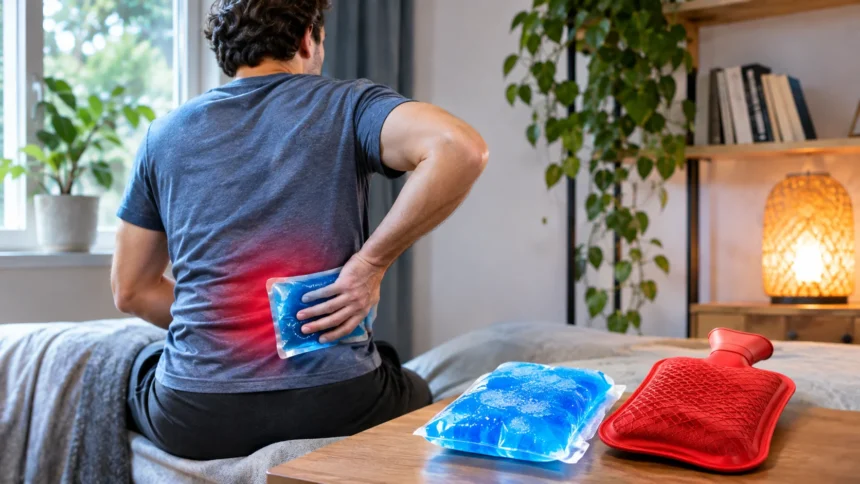
Back pain can make everyday activities uncomfortable, whether you are sitting at a desk, walking, exercising, or trying to rest. Many people turn to heating pads or ice packs for temporary relief, but choosing between them can be confusing. Understanding heat or ice for back pain helps you select a suitable approach based on your symptoms, comfort level, and possible causes of discomfort.
Both heat therapy and cold therapy can provide temporary pain relief, but they work differently. Heat may help relax tight muscles and ease stiffness, while ice may reduce pain after a recent strain or injury. This guide explains when to consider each option, how to use them safely, common mistakes, and when back pain requires medical attention.
Heat or Ice for Back Pain: Understanding the Difference
Heat and ice are common home treatments used to manage mild back discomfort. Heat therapy involves applying gentle warmth to affected areas, usually through heating pads, warm towels, or warm showers. Cold therapy uses cool packs to temporarily reduce pain sensations and limit swelling after certain injuries. Both approaches can help, but their effects depend on individual circumstances.
Heat generally increases local blood flow and may reduce the sensation of muscle tightness. This makes it a practical option for back stiffness, muscle tension, and discomfort associated with prolonged inactivity. Ice temporarily reduces nerve activity in the cooled area and may help manage pain after a recent strain. Neither method directly repairs damaged tissues.
The choice between heat and ice depends on symptoms rather than following one universal rule. Someone experiencing tight back muscles may prefer warmth, while another person with a recent minor injury may find cooling more comfortable. Some people benefit from either method. Pay attention to how your symptoms respond and avoid treatments that increase discomfort.
When Should You Use Heat for Back Pain?
Heat is often helpful when back discomfort involves muscle tightness, stiffness, or a dull aching sensation. Gentle warmth may make the affected muscles feel more relaxed and allow comfortable movement. People with nonspecific lower back pain frequently find heat packs soothing. However, the amount of relief varies depending on the cause and severity of symptoms.
For example, sitting in the same position for several hours can leave your lower back feeling stiff. Applying a warm pack for a short period may reduce discomfort before gentle activity. Warmth can also feel helpful after ordinary physical exertion when muscles feel tense. It should not replace appropriate medical assessment when symptoms are persistent or unusual.
Heat therapy is less suitable when an area has significant new swelling, redness, or unusual warmth. Additional heating may increase discomfort in certain acute injuries or inflammatory conditions. People with reduced skin sensation or circulation problems should be especially cautious. If you are unsure whether warmth is appropriate, consult a healthcare professional before applying it.
When Is Ice Better for Back Pain?
Ice therapy may be helpful when back pain begins after a minor strain, awkward movement, or recent physical activity. Cold temperatures temporarily reduce pain sensations and can help limit swelling in some soft tissue injuries. Many people find cooling useful during the early period following an injury. However, ice is not automatically necessary for every episode of back pain.
Suppose you develop mild discomfort after lifting something awkwardly. A wrapped cold pack may provide temporary relief while you avoid movements that worsen symptoms. Cooling can also make the affected area feel less sensitive for a short period. The goal is comfort rather than completely numbing the skin or forcing the body to tolerate extreme cold.
Ice is not always the best choice for ongoing stiffness or tight muscles. Some people find that cold temperatures increase muscle tension or make movement less comfortable. Those with circulation disorders or impaired skin sensation may face additional risks from cold exposure. Stop immediately if you notice unusual skin changes, intense discomfort, or worsening symptoms.
Heat or Ice for Lower Back Pain
Lower back pain is common because the lumbar region supports movement, posture, and many everyday activities. Symptoms may develop from muscle strain, prolonged sitting, repetitive movements, or other medical conditions. The right home treatment depends on the nature of the discomfort. Heat and ice can provide temporary relief, but neither identifies the underlying cause.
For lower back pain accompanied by stiffness and tightness, superficial heat is often a reasonable first option. A comfortably warm heating pad may help reduce pain and make gentle movement easier. Short walks and gradual returns to normal activity can also support recovery. Remaining completely inactive for long periods is generally not recommended for uncomplicated back pain.
If lower back discomfort follows a recent minor strain, a wrapped ice pack may feel better initially. Some people prefer heat even during early recovery, provided it does not worsen symptoms. Choose the approach that feels comfortable and avoid placing excessive pressure on the painful area. Seek medical advice if pain is severe, persistent, or accompanied by concerning symptoms.
Heat or Ice for Back Muscle Strains and Spasms
A back muscle strain can occur when muscles or supporting tissues are overstretched during physical activity. Symptoms may include localized soreness, tenderness, tightness, and discomfort with certain movements. Muscle spasms can also cause sudden episodes of painful tightening. These symptoms sometimes respond to simple home care, although other conditions can produce similar sensations.
For a recent mild muscle strain, cold therapy may help control pain during the initial recovery period. Apply a wrapped cold pack briefly and allow the skin to return to its normal temperature afterward. Avoid repeatedly cooling the area for excessive periods. Gentle movement within a comfortable range is usually more useful than prolonged bed rest.
Heat may be particularly soothing when muscle spasms or lingering tightness are prominent. Warmth can temporarily reduce discomfort and make everyday movements feel easier. However, heating a strained muscle does not guarantee faster tissue healing. If spasms are severe, repeatedly return, or interfere with normal activities, a healthcare professional can help determine appropriate treatment.
How to Apply Heat Therapy Safely
Safe heat therapy begins with choosing a comfortable temperature that warms the skin without causing burning. Common options include reusable heat packs, electric heating pads, warm towels, and warm showers. Always follow the manufacturer’s instructions when using electrical devices. Avoid applying excessive heat directly to sensitive skin because burns can develop unexpectedly.
A typical heat therapy session lasts approximately 15 to 20 minutes. Place a suitable protective layer between the heat source and your skin when recommended. Check the area regularly for redness, irritation, or excessive warmth. The goal is gentle comfort, so you should never need to tolerate painful temperatures to experience relief.
Avoid sleeping with a heating pad switched on or leaving a heat source against your body unattended. People with diabetes-related sensory problems, reduced circulation, or difficulty detecting temperature should obtain individualized advice before using heat. Be cautious when combining heat with pain-relieving creams or patches. Stop treatment if your skin becomes irritated or symptoms worsen.
How to Apply Ice Therapy Safely
Cold therapy requires proper skin protection because direct contact with ice can cause tissue injury. Wrap an ice pack or a bag of frozen vegetables in a thin towel before applying it. Position the pack gently against the uncomfortable area without pressing forcefully. Never place ice directly on bare skin or use it while sleeping.
Apply cold therapy for approximately 10 to 15 minutes at a time, checking the skin regularly. Allow the area to return to its normal temperature before considering another session. Stop sooner if the skin becomes unusually pale, painful, or numb. Longer applications do not necessarily provide better relief and may increase the risk of skin damage.
Cold therapy should be used cautiously or avoided when sensation or circulation is impaired. Certain conditions, including cold hypersensitivity and some vascular disorders, can make cooling unsafe. If you experience unexpected skin changes or increasing discomfort, discontinue the application. A healthcare professional can recommend safer alternatives when ordinary cold packs are unsuitable.
Can You Alternate Heat and Ice for Back Pain?
Some people prefer alternating heat and cold when managing temporary back discomfort. This approach involves using the two treatments separately rather than applying extreme temperature changes directly to the skin. Heat may feel soothing for stiffness, while cold may temporarily reduce soreness. However, evidence that alternating temperatures works better than either treatment alone is limited.
If both methods are appropriate for your situation, use each for a short, comfortable session. Allow your skin to return to its normal temperature between applications. Avoid switching rapidly between very hot and very cold treatments. Pay attention to whether the combination improves comfort or simply adds unnecessary treatment time.
Alternating heat and ice is not required for effective self-care. Some people respond well to a warm shower, while others prefer a single cold pack after activity. The most useful approach is generally the one that provides relief without causing irritation. If symptoms are worsening, repeated temperature treatments should not delay medical evaluation.
What Does It Mean When Heat Helps Back Pain?
When warmth relieves back pain, muscle tension or stiffness may be contributing to the discomfort. Heat can temporarily improve comfort and make restricted movements feel easier. However, a positive response does not establish a specific diagnosis. Different conditions can cause similar symptoms and respond to the same treatment.
For example, someone with nonspecific lower back pain may feel better after using a heating pad. Another person with discomfort related to prolonged sitting might notice similar relief. Both experiences suggest that warmth is useful for symptom management. They do not necessarily prove that the pain comes entirely from muscles rather than other structures.
A temporary improvement also does not mean the underlying problem has disappeared. Back pain can involve muscles, joints, discs, nerves, and several other structures. If discomfort regularly returns, affects sleep, or limits daily activity, further assessment may be appropriate. Tracking symptoms and their response to activity can provide useful information during a medical consultation.
What Does It Mean When Ice Helps Back Pain?
Relief from an ice pack may indicate that cooling is temporarily reducing pain sensitivity in the affected area. Cold therapy can be soothing after certain minor injuries or periods of physical exertion. However, responding positively to ice does not confirm that inflammation is the main cause. Several types of discomfort may improve with cooling.
For instance, someone experiencing soreness after an unfamiliar activity may find a cold pack calming. Another person with mild localized tenderness might report the same effect. These responses reflect symptom relief rather than a reliable diagnostic test. A cold pack cannot determine whether pain involves muscles, joints, nerves, or other tissues.
The duration and pattern of pain provide more useful clues than temperature preference alone. Consider whether symptoms began after an injury, occur during particular movements, or spread into the legs. These details may help a clinician assess the situation. Seek evaluation when symptoms persist, progressively worsen, or occur alongside unusual neurological changes.
Other Ways to Relieve Back Pain Alongside Heat or Ice
Heat and ice often work best as part of a broader approach to managing uncomplicated back discomfort. Gentle movement helps prevent prolonged stiffness and supports normal daily function. Short walks, comfortable position changes, and gradual activity are commonly recommended. Avoid pushing through movements that cause severe pain or noticeably worsen symptoms.
Gentle mobility exercises may also help when appropriate for your condition. Movements such as pelvic tilts, comfortable knee-to-chest positions, and relaxed spinal movement can be useful for some people. However, exercises should be selected according to individual symptoms and physical limitations. Stop any movement that produces sharp pain, increasing leg symptoms, or unusual discomfort.
Everyday habits also influence how comfortable your back feels. Changing positions regularly, using supportive work arrangements, and managing demanding activities can reduce unnecessary strain. Consistent sleep and gradual strengthening may support long-term physical function. If symptoms continue, a physiotherapist or other qualified healthcare professional can help develop a suitable activity plan.
Common Mistakes When Using Heat or Ice
One common mistake is assuming that more intense temperatures produce faster relief. Excessively hot heating pads can burn the skin, while prolonged ice exposure can cause cold-related tissue injury. Both treatments should feel comfortable and remain within safe temperature limits. Increasing treatment intensity does not automatically improve recovery.
Another mistake involves using temperature therapy to continue activities that clearly worsen symptoms. Temporary pain relief may make movement feel easier, but it does not necessarily mean an injury has healed. Gradually resume activities according to comfort and medical guidance when needed. Avoid repeatedly performing painful movements simply because a heat pack or ice pack provides short-term relief.
Some people also rely entirely on home treatments when symptoms require professional evaluation. Persistent pain, progressive weakness, or significant changes in sensation should not be ignored. Heat and ice can temporarily reduce discomfort without addressing a serious underlying condition. Recognizing their limitations helps prevent unnecessary delays in appropriate medical care.
When Should You See a Doctor for Back Pain?
Many episodes of uncomplicated back pain improve over time with appropriate activity and self-care. However, medical evaluation is important when pain becomes severe, persists for several weeks, or repeatedly interferes with daily life. Symptoms following a fall or significant injury also deserve attention. A healthcare professional can assess possible causes and recommend suitable treatment.
Seek urgent medical attention if back pain occurs with new bladder or bowel control problems, numbness around the groin or saddle area, or significant or worsening leg weakness. These symptoms can indicate serious nerve involvement. Back pain accompanied by fever or significant unexplained illness also warrants prompt assessment. Do not rely on heat or ice when such warning signs appear.
You should also seek medical advice for persistent pain accompanied by unexplained weight loss, a history of cancer, or other concerning health changes. Pain that consistently worsens or prevents normal functioning may require further investigation. Early assessment can help identify conditions needing specific treatment. Temperature therapy should remain a comfort measure rather than a substitute for diagnosis.
Conclusion
Choosing heat or ice for back pain depends on your symptoms, the circumstances surrounding the discomfort, and how your body responds. Heat may ease muscle tightness and stiffness, while ice can provide temporary relief after certain minor strains or injuries. Neither treatment works best for everyone. Understanding their different effects helps you make safer, more informed decisions.
Both heat therapy and cold therapy should be applied carefully, using comfortable temperatures and appropriate skin protection. Short applications are generally preferable to prolonged exposure, and treatment should stop if irritation or worsening symptoms develop. Gentle movement and suitable activity adjustments can also support recovery. Home remedies are most useful when combined with attention to the underlying problem.
Back pain can develop for many reasons, and relief from heat or ice does not establish a diagnosis. If symptoms persist, worsen, or occur alongside neurological warning signs, seek professional evaluation. Focus on safe symptom management instead of forcing quick results. A thoughtful approach can help you manage discomfort while protecting your long-term back health.
Frequently Asked Questions
Is heat or ice better for lower back pain?
Heat often helps lower back stiffness and muscle tightness, while ice may soothe discomfort after a recent minor strain. Either may provide temporary relief, depending on your symptoms and comfort.
How long should you apply heat to back pain?
A typical heat therapy session lasts around 15 to 20 minutes. Use gentle warmth, protect your skin, and avoid falling asleep with a heating pad to reduce burn risks.
Can ice make back pain worse?
Yes, some people experience increased stiffness or discomfort after cooling. Excessive cold exposure can also irritate or damage skin. Stop treatment if symptoms worsen or unusual skin changes appear.
Should you use heat or ice for back muscle spasms?
Gentle heat may help relax tight muscles and ease discomfort associated with spasms. Ice may also provide temporary pain relief in certain situations, especially after a recent strain.
Can you use heat and ice on the same day?
Yes, some people use both treatments on the same day when appropriate. Keep applications brief, protect your skin, and allow normal skin temperature to return between sessions.