


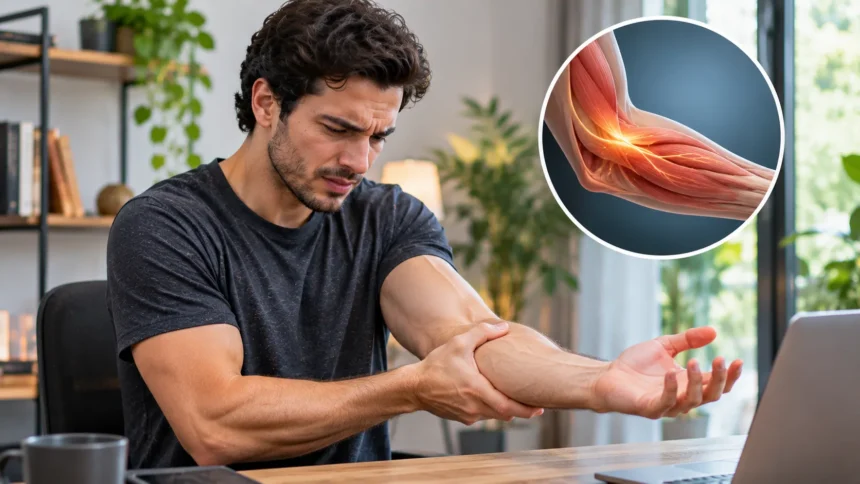
Arm twitching is a common experience that can happen unexpectedly during everyday activities or while resting. You might notice a small muscle moving beneath your skin, a brief jerking sensation, or repeated involuntary movements. Although these sensations can feel unusual, many cases of arm twitching are temporary and related to everyday factors such as fatigue, stress, or physical activity.
Understanding what causes arm twitching can help you recognize possible triggers and determine when medical attention may be necessary. Muscle twitching can affect the upper arm, forearm, biceps, or triceps, and symptoms may vary depending on the underlying cause. Some people experience occasional movements, while others notice repeated twitching throughout the day.
This guide explains the possible causes of arm twitching, associated symptoms, practical relief strategies, and warning signs that deserve medical evaluation. It also explores the relationship between muscle activity, nerve function, lifestyle habits, and certain medical conditions.
What Is Arm Twitching?
Arm twitching refers to involuntary movements or contractions involving muscles in the arm. These movements occur without conscious control and may appear as small ripples beneath the skin. Brief muscle twitches are often called fasciculations, which happen when muscle fibers contract unexpectedly. They can affect different parts of the arm without necessarily causing pain.
The sensation of arm twitching varies from person to person. Some individuals notice tiny movements that are visible but barely noticeable physically. Others experience stronger jerks that briefly move part of the arm. The location, frequency, and duration of these movements can provide useful information about possible causes and whether additional assessment is necessary.
Occasional muscle twitching is often harmless, especially when it occurs without weakness or other concerning symptoms. However, persistent twitching can sometimes be associated with nerve irritation, medication effects, or underlying medical conditions. Understanding the difference between temporary muscle activity and symptoms requiring attention can help you respond appropriately without unnecessary worry.
Common Symptoms Associated With Arm Twitching
The most recognizable symptom of arm twitching is a brief, involuntary muscle contraction. You may notice a fluttering sensation in the biceps, forearm, or another area of the arm. These movements can occur once or repeatedly over several minutes. In many cases, they are painless and disappear without specific treatment.
Some people experience twitching alongside muscle tightness, mild fatigue, or occasional cramping. These symptoms may become noticeable after exercise, repetitive movements, or prolonged physical activity. Twitching can also occur when the arm is relaxed. The presence of additional symptoms may help determine whether the problem involves ordinary muscle fatigue or another condition.
More concerning symptoms include persistent muscle weakness, loss of coordination, progressive muscle wasting, or difficulty performing familiar tasks. Tingling and numbness may suggest irritation or compression of a nearby nerve. When arm twitching occurs with these changes, a medical evaluation is important. Twitching alone cannot establish the presence of a neurological disorder.
Why Does My Arm Keep Twitching?
Repeated arm twitching can develop when muscles or the nerves controlling them become temporarily more excitable. Physical exertion, insufficient rest, and emotional stress are common contributing factors. These situations may increase involuntary muscle activity without indicating a serious illness. The twitching often becomes less noticeable after the triggering factor improves.
Stimulants such as caffeine may also contribute to muscle twitching in some individuals. Drinking several caffeinated beverages or consuming certain energy drinks can increase nervous system stimulation. Some medications may produce similar effects. If twitching begins after a change in medication or stimulant intake, this information may help identify a possible cause.
When twitching continues for an extended period, the underlying explanation may be less obvious. Nerve irritation, metabolic disturbances, and certain neurological conditions can sometimes produce recurring muscle movements. However, frequency alone does not determine whether twitching is serious. Associated weakness, progression, and examination findings are more useful when evaluating persistent symptoms.
Muscle Fatigue and Overuse as Causes of Arm Twitching
Muscle fatigue is a common reason for temporary twitching after physical activity. Repetitive movements place demands on muscle fibers and the nerves coordinating their contractions. After strenuous exercise, these tissues may remain temporarily excitable. As a result, small involuntary contractions can occur while the muscles are recovering.
Activities such as lifting weights, carrying heavy objects, or completing repetitive arm movements may contribute to twitching. The sensation can develop in the biceps, triceps, or forearm muscles depending on which areas were active. Mild twitching after exercise often settles with recovery. However, severe pain, substantial swelling, or unusual weakness requires medical assessment.
Managing exercise-related muscle twitching usually involves allowing adequate recovery between demanding activities. Gradually increasing exercise intensity can help avoid sudden overload. Gentle movement may feel comfortable, but forcing tired muscles through additional strenuous activity is unnecessary. Persistent symptoms should not automatically be attributed to exercise, particularly when weakness or other changes appear.
Can Stress and Anxiety Cause Arm Twitching?
Stress and anxiety can contribute to involuntary muscle twitching by increasing nervous system activity. During stressful situations, the body may remain in a heightened state of alertness. Muscles can become tense, and small contractions may be more noticeable. Some people experience twitching in their arms, eyelids, legs, or other areas during these periods.
Changes in breathing patterns, sleep quality, and daily routines may also influence stress-related muscle symptoms. For example, poor sleep can increase fatigue and make occasional twitching more noticeable. People experiencing anxiety may pay closer attention to physical sensations, which can make ordinary movements seem more frequent. However, anxiety should not be assumed to explain every symptom.
Relaxation techniques may help when stress appears to trigger twitching. Comfortable breathing exercises, regular sleep habits, and manageable physical activity can support overall well-being. Reducing excessive caffeine may also be useful for some people. If symptoms continue, worsen, or occur alongside weakness, seek medical advice rather than attributing everything to stress.
Dehydration and Electrolyte Imbalances
Fluid balance supports normal muscle and nerve function throughout the body. When dehydration becomes significant, muscles may become more prone to cramps or other uncomfortable sensations. People who sweat heavily during exercise or experience prolonged illness may lose substantial fluids. However, ordinary arm twitching does not automatically indicate dehydration or an electrolyte problem.
Electrolytes such as potassium, calcium, magnesium, and sodium help regulate electrical signals involved in muscle contractions. Significant abnormalities in these minerals can contribute to muscle symptoms, including twitching, weakness, or cramping. Such disturbances may occur with certain illnesses, medications, or fluid losses. Blood tests are sometimes needed to identify clinically important imbalances.
Maintaining regular hydration and eating a balanced diet can support normal muscle function. Drinking excessive amounts of water or taking mineral supplements without medical advice is not a reliable treatment for unexplained twitching. If an electrolyte abnormality is suspected, a healthcare professional can recommend appropriate testing. Treatment should address the specific problem rather than relying on guesswork.
How Caffeine and Other Stimulants Affect Muscle Twitching
Caffeine stimulates the nervous system and may contribute to muscle twitching in sensitive individuals. It is commonly found in coffee, tea, energy drinks, and certain medications. Higher intake can also interfere with sleep, potentially increasing fatigue-related symptoms. The amount that triggers discomfort varies considerably between people.
Some other stimulating substances and medications may produce similar effects. Certain products used for congestion or attention-related conditions can influence nervous system activity. However, medication effects depend on the specific drug, dosage, and individual response. A new twitching symptom that appears after starting medication should be discussed with the prescribing healthcare professional.
If caffeine seems related to arm twitching, gradually reducing consumption may help identify whether symptoms improve. Avoid stopping prescribed medications without professional guidance. Keeping track of stimulant intake and symptom timing may reveal useful patterns. When twitching persists despite reasonable lifestyle adjustments, medical assessment can help explore other possible explanations.
Arm Twitching During Sleep or While Resting
Arm twitching may become more noticeable while resting because there are fewer competing movements and distractions. Small muscle contractions that go unnoticed during busy activities can feel more prominent when sitting quietly. Some people also notice brief movements while falling asleep. These experiences do not necessarily indicate an underlying medical problem.
Sudden involuntary jerks during the transition into sleep are commonly called sleep starts or hypnic jerks. They can involve the arms, legs, or other muscles and are often harmless. Sleep deprivation, stress, and caffeine may make them more noticeable. However, repeated nighttime movements can have different explanations depending on their appearance and associated symptoms.
If twitching repeatedly disrupts sleep or involves unusual movements, consider discussing it with a healthcare professional. Recording when symptoms occur and whether they affect one or both arms may help. Avoid assuming that every nighttime movement is a muscle fasciculation. A clinician can distinguish common sleep-related movements from conditions that may require further evaluation.
Biceps and Triceps Muscle Twitching
Biceps twitching usually involves small, involuntary contractions in the front of the upper arm. The sensation may occur after lifting, carrying, or other demanding arm activities. Muscle fatigue is one possible explanation, particularly when twitching develops soon after exercise. However, the location of a twitch does not identify its cause by itself.
Triceps twitching affects the muscles along the back of the upper arm. These muscles help straighten the elbow and contribute to pushing movements. Repetitive exercise or temporary muscle irritability may cause occasional contractions. Some individuals notice visible ripples beneath the skin without pain or changes in strength.
When twitching occurs in either muscle group, consider whether recent activity, sleep, or medication changes could be relevant. Temporary symptoms without weakness often settle naturally. However, progressive weakness or visible muscle wasting deserves prompt medical assessment. A healthcare professional can examine muscle strength, reflexes, and nerve function when an underlying problem is suspected.
Forearm Twitching and Repetitive Hand Movements
Forearm muscles control many movements of the wrist, hand, and fingers. Repetitive activities such as typing, gripping tools, or playing musical instruments can contribute to temporary muscular fatigue. Some people notice twitching after extended periods of these movements. Although common, this pattern does not automatically establish overuse as the cause.
Nerve irritation may also produce unusual sensations in the forearm or hand. Conditions affecting nerves around the neck, elbow, or wrist can sometimes cause tingling, numbness, weakness, or changes in muscle activity. The exact symptoms depend on which nerve structures are involved. Persistent twitching accompanied by sensory changes warrants clinical evaluation.
Adjusting repetitive tasks may improve comfort when activity appears to aggravate symptoms. Taking movement breaks, varying hand positions, and avoiding unnecessary gripping force can reduce muscular strain. However, these adjustments do not treat every nerve-related condition. Seek professional advice if symptoms interfere with hand function or continue despite reasonable activity modifications.
Can a Pinched Nerve Cause Arm Twitching?
A compressed or irritated nerve can sometimes contribute to muscle twitching in the arm. Nerves carry signals that allow muscles to contract and move. When a nerve becomes irritated or damaged, these signals may be affected. The resulting symptoms can include weakness, altered sensation, pain, or involuntary muscle activity.
Nerve problems can develop at several locations, including the neck, shoulder region, elbow, or wrist. For example, cervical radiculopathy occurs when a nerve root in the neck becomes irritated or compressed. It may produce pain that travels toward the arm, sometimes alongside tingling or weakness. Twitching alone is not enough to diagnose this condition.
Treatment depends on the location and cause of nerve irritation. Some people benefit from guided physical therapy, activity adjustments, or other conservative treatments. Significant or progressive weakness may require further examination and imaging. Early assessment is useful when arm twitching occurs with persistent numbness, reduced grip strength, or difficulty controlling movements.
Benign Fasciculation Syndrome and Arm Twitching
Benign fasciculation syndrome is a condition involving recurring muscle twitches without evidence of a progressive neurological disease. Twitching may affect the arms, legs, or several areas of the body. Symptoms can continue intermittently for extended periods. The movements may become more noticeable during stress, fatigue, or periods of increased attention.
People with benign fasciculation syndrome generally do not develop the progressive muscle weakness associated with certain serious neurological conditions. However, diagnosis requires appropriate medical evaluation rather than self-assessment. Healthcare professionals may examine muscle strength, reflexes, and other neurological findings. Additional testing is sometimes recommended when the history or examination raises concerns.
Management often focuses on identifying aggravating factors and improving overall comfort. Adequate sleep, stress management, and reasonable caffeine reduction may help some individuals. Repeatedly checking muscles for twitching can also increase awareness of symptoms. Persistent twitching should be discussed with a clinician, particularly when new functional difficulties develop.
Can Vitamin Deficiencies Cause Arm Twitching?
Certain nutrient deficiencies can affect nerve and muscle function. For example, vitamin B12 deficiency may cause neurological symptoms such as tingling, numbness, or weakness. Other nutritional problems can contribute to muscle-related symptoms under particular circumstances. However, isolated arm twitching is not a reliable sign of a specific vitamin deficiency.
People with restricted diets, certain digestive conditions, or problems absorbing nutrients may be at increased risk of deficiencies. Some medications can also affect nutrient absorption over time. A healthcare professional may recommend blood tests when symptoms and medical history suggest a nutritional problem. Testing helps distinguish a genuine deficiency from unrelated muscle activity.
Eating a varied diet supports normal nerve and muscle health. Foods containing adequate protein, vitamins, and minerals contribute to overall physical function. However, taking large doses of supplements without a confirmed need may cause side effects or interact with medications. Targeted treatment is more appropriate when a specific nutritional deficiency has been identified.
How to Stop Arm Twitching at Home
Home care may help when arm twitching is mild, occasional, and not accompanied by concerning symptoms. Begin by considering common triggers such as poor sleep, unusual physical exertion, or excessive caffeine intake. Allowing tired muscles to recover may reduce temporary twitching. Many harmless muscle contractions improve naturally without requiring medical treatment.
Gentle stretching and comfortable movement may help ease associated muscle tension. Avoid forcing stretches or applying excessive pressure to a twitching muscle. Staying appropriately hydrated and maintaining regular meals can support normal muscle function. However, these measures should not be considered treatments for unexplained neurological symptoms or persistent muscle weakness.
Keeping a simple symptom record can be helpful when twitching continues. Note the affected area, approximate frequency, recent activities, and any additional symptoms. This information may reveal patterns and support medical assessment. Avoid repeatedly testing muscle strength or monitoring every small movement, as excessive checking can increase concern without clarifying the underlying cause.
Lifestyle Habits That May Reduce Muscle Twitching
Consistent sleep habits can help support normal nervous system function. Adults generally benefit from sufficient, regular sleep, while teenagers typically need more sleep than adults. Poor sleep may increase muscle fatigue and make twitching more noticeable. Maintaining a comfortable sleep environment and consistent bedtime routine can support better rest.
Regular physical activity also supports muscle health, but sudden increases in exercise intensity may aggravate temporary twitching. Gradual progression and appropriate recovery time are useful when starting new activities. Alternating demanding exercises with lighter movement can help manage muscle fatigue. Exercise should remain comfortable and should not worsen unexplained weakness or neurological symptoms.
Stress management is another useful part of a balanced routine. Relaxation exercises, enjoyable activities, and manageable daily schedules may reduce physical tension. Limiting excessive caffeine can also help people who notice a connection between stimulant intake and twitching. These habits support overall health, although persistent symptoms may still require professional assessment.
When Should You Worry About Arm Twitching?
Occasional arm twitching without other symptoms is often harmless. However, twitching that persists, spreads, or increasingly affects daily activities deserves medical evaluation. The presence of progressive weakness is particularly important. Difficulty gripping objects, lifting the arm, or completing familiar movements should not be dismissed as ordinary muscle fatigue.
Other warning signs include visible muscle wasting, persistent numbness, unexplained changes in coordination, or worsening nerve-related pain. These symptoms can occur with several medical conditions and do not point to one diagnosis. A healthcare professional can assess the pattern and decide whether additional neurological testing is appropriate. Early evaluation helps identify treatable causes.
Sudden arm weakness, facial drooping, difficulty speaking, or severe unexplained neurological symptoms require emergency medical attention because they may indicate a stroke or another serious condition. Twitching by itself is not a typical stroke warning sign. Seek urgent care when sudden loss of function accompanies unusual arm movements rather than attempting home treatment.
How Doctors Diagnose Persistent Arm Twitching
Medical evaluation usually begins with questions about your symptoms and general health. A clinician may ask when twitching started, which muscles are affected, and whether symptoms occur during activity or rest. Medication use, sleep habits, recent exercise, and other medical conditions may also be discussed. This information helps narrow the possible explanations.
A physical examination may include checking muscle strength, reflexes, coordination, and sensation. Doctors may look for signs of nerve damage or muscle weakness. Depending on the findings, blood tests can help evaluate electrolyte disturbances, thyroid problems, or certain nutritional deficiencies. Not every person with occasional twitching requires extensive medical testing.
In selected cases, electromyography or nerve conduction studies may be recommended. These tests evaluate electrical activity in muscles and how effectively nerves transmit signals. Imaging may also be useful when doctors suspect a structural problem affecting nerves. The choice of tests depends on symptoms and examination findings rather than twitching frequency alone.
Medical Treatment Options for Arm Twitching
Treatment for arm twitching depends on the identified cause. Temporary twitching related to fatigue or excessive caffeine may improve with lifestyle adjustments. When medication side effects are suspected, a clinician may review the treatment plan. Prescription medicines should never be stopped or changed without appropriate medical guidance.
Nerve-related twitching may require targeted treatment based on the location and severity of the problem. Physical therapy, medication, or specialist evaluation may be recommended for certain conditions. If testing identifies an electrolyte disturbance or nutritional deficiency, treatment focuses on correcting that problem safely. Unnecessary supplements or medications are unlikely to help when no deficiency exists.
Some individuals with persistent twitching benefit mainly from reassurance after a thorough medical evaluation. Others require ongoing monitoring or treatment for an underlying condition. Recovery expectations vary depending on the diagnosis. Seeking professional guidance is particularly important when symptoms progress or interfere with everyday arm and hand movements.
Conclusion
Arm twitching can occur for many reasons, including muscle fatigue, stress, poor sleep, stimulant intake, or temporary nerve irritability. In many cases, occasional twitching is harmless and improves naturally. However, persistent symptoms or associated muscle weakness may indicate a condition requiring assessment. Understanding possible triggers can help you respond more appropriately.
Simple habits such as maintaining sufficient sleep, allowing muscles to recover, and reducing excessive caffeine may help minimize temporary twitching. Gentle movement and appropriate hydration can also support normal muscle function. These measures are most suitable when symptoms are mild and uncomplicated. They should not replace medical care for worsening or unexplained neurological symptoms.
If arm twitching continues, spreads, or occurs with numbness, weakness, or muscle wasting, arrange a medical evaluation. A healthcare professional can identify possible causes and recommend appropriate testing or treatment. Recognizing warning signs while avoiding unnecessary assumptions can help you manage symptoms confidently and protect your long-term nerve and muscle health.
Frequently Asked Questions (FAQs)
Why is my arm twitching for no reason?
Arm twitching may occur because of muscle fatigue, stress, inadequate sleep, caffeine, or temporary nerve irritability. Sometimes no clear trigger is identified. Persistent twitching with weakness or numbness should be medically evaluated.
Is arm twitching a sign of a serious disease?
Most occasional arm twitching is harmless, especially without other symptoms. However, persistent twitching accompanied by progressive weakness, muscle wasting, or coordination problems can require neurological assessment to identify an underlying condition.
How do you stop arm twitching quickly?
Resting tired muscles, reducing excessive caffeine, and practicing relaxation may help temporary twitching. Gentle movement and adequate sleep can also support recovery. There is no guaranteed immediate treatment because relief depends on the cause.
Can anxiety cause twitching in one arm?
Yes, stress and anxiety can contribute to muscle twitching that affects one arm or different body areas. However, anxiety should not automatically be considered the cause of persistent symptoms, especially when weakness or numbness develops.
When should I see a doctor for arm twitching?
See a healthcare professional if twitching persists, worsens, or occurs with weakness, numbness, or muscle wasting. Sudden arm weakness accompanied by facial drooping or speech difficulty requires emergency medical attention.