


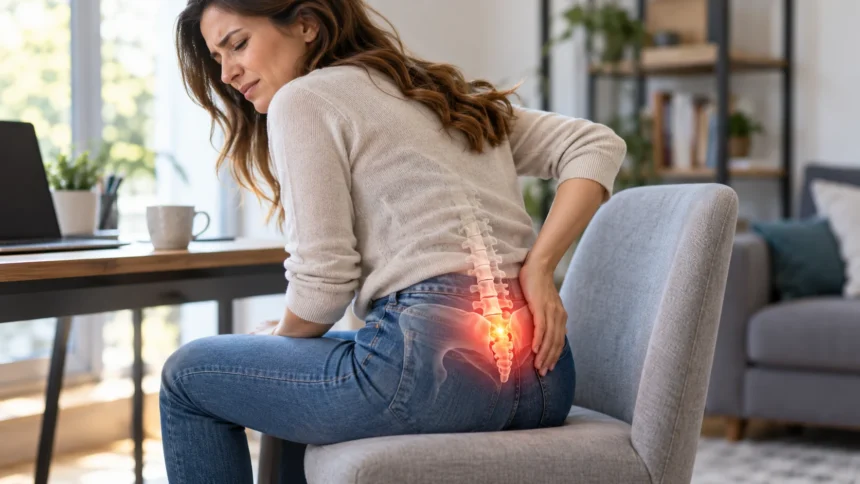
Tailbone pain when sitting can make everyday activities uncomfortable, especially when working at a desk, driving, or relaxing on a chair. The discomfort may feel like a dull ache, sharp pressure, or tenderness near the bottom of your spine. Although occasional tailbone pain can result from prolonged sitting or minor injuries, persistent symptoms may indicate an underlying condition that requires attention.
If you’re wondering, “Why does my tailbone hurt when I sit?”, the answer often involves pressure, inflammation, injury, or changes in the tissues surrounding the coccyx. Understanding the possible causes, symptoms, and safe relief strategies can help you manage discomfort and recognize when professional medical evaluation is necessary.
What Is Tailbone Pain and Where Does It Occur?
Tailbone pain, medically known as coccydynia, refers to discomfort affecting the coccyx, a small bone located at the bottom of the spine. The coccyx usually consists of three to five fused vertebral segments and connects with the sacrum above it. Despite its small size, this structure supports several important muscles and ligaments involved in pelvic stability.
The tailbone sits just above the crease between the buttocks and helps distribute pressure when sitting. It also provides attachment points for pelvic floor muscles, ligaments, and nearby soft tissues. When these structures become irritated or injured, activities that increase pressure around the coccyx may produce noticeable discomfort.
Tailbone pain typically develops near the center of the lower pelvis rather than across the entire lower back. Some people experience localized tenderness, while others notice aching that becomes stronger when changing positions. Identifying the exact location of discomfort is helpful because pain near the tailbone can sometimes originate from surrounding muscles, joints, or skin conditions.
Why Does My Tailbone Hurt When I Sit?
One common reason your tailbone hurts when sitting is increased pressure on the coccyx and surrounding tissues. Sitting for extended periods, particularly on hard surfaces, can place repeated stress on this small structure. The resulting irritation may cause discomfort that becomes more noticeable as the time spent sitting increases.
Sitting posture can also influence how pressure is distributed across the pelvis. Leaning backward or slumping into a chair may increase direct contact with the tailbone in some positions. However, there is no single ideal posture for everyone, and even supportive sitting positions may become uncomfortable when maintained for too long.
Tailbone pain when sitting can also develop after an injury, during pregnancy, or because of inflammation affecting nearby structures. Sometimes the exact cause remains unclear despite appropriate medical evaluation. Understanding your symptoms, recent activities, and any previous injuries can help identify whether the discomfort is related to pressure or another underlying condition.
Common Causes of Tailbone Pain When Sitting
A fall onto the buttocks is one of the most recognizable causes of tailbone discomfort. The impact may bruise surrounding tissues, strain ligaments, or occasionally cause a coccyx fracture. Pain often becomes more noticeable when sitting, standing up, or placing pressure directly on the affected area after an injury.
Repetitive pressure is another possible cause of coccyx pain, especially during activities involving prolonged sitting. Cycling, rowing, and certain seated exercises may irritate the tailbone or nearby soft tissues in susceptible individuals. Poorly fitting seats or limited opportunities to change position can sometimes contribute to this discomfort.
Other causes include increased coccyx mobility, degenerative joint changes, and inflammation involving nearby structures. In some cases, pelvic floor muscle tension or referred pain from surrounding tissues may produce similar symptoms. Because several conditions can affect this region, persistent discomfort should not automatically be attributed to a simple sitting-related injury.
Tailbone Pain After a Fall or Injury
Falling backward onto a hard surface can cause sudden tailbone pain that continues for days or longer. The coccyx may become bruised, and nearby ligaments or muscles can experience strain. Symptoms commonly include localized tenderness, discomfort when sitting, and pain when moving from a seated position to standing.
Not every tailbone injury involves a fracture, even when the discomfort feels intense. Bruising and ligament irritation may produce substantial pain without visible bone damage. A healthcare professional can evaluate the symptoms and determine whether imaging is necessary, particularly when the injury was significant or recovery does not progress as expected.
During recovery, reducing direct pressure on the tailbone may help improve comfort. A suitable coccyx cushion, gentle movement, and temporary activity adjustments can support healing. However, severe pain, neurological symptoms, or difficulty walking after a fall requires prompt medical assessment rather than relying exclusively on home remedies.
Can Prolonged Sitting Cause Tailbone Pain?
Yes, prolonged sitting can contribute to tailbone discomfort by increasing sustained pressure around the coccyx. This is especially noticeable when using rigid chairs or seats without adequate support. Repeated compression of sensitive tissues may lead to irritation, making it uncomfortable to remain seated for extended periods.
Office workers, students, and people who drive frequently may notice symptoms after spending considerable time in one position. The problem is not necessarily caused by sitting itself but by how pressure and movement are distributed over time. Changing positions regularly can help reduce continuous loading on the affected area.
Short movement breaks, supportive seating, and comfortable posture adjustments may improve sitting tolerance. Standing or walking briefly allows pressure to shift away from the tailbone and surrounding tissues. If discomfort persists despite these changes, further assessment may be needed to identify inflammation, injury, or another contributing condition.
Tailbone Pain During Pregnancy and After Childbirth
Pregnancy can sometimes contribute to tailbone pain because of changes in pelvic loading, posture, and surrounding soft tissues. As pregnancy progresses, the body’s center of gravity changes, potentially influencing how pressure is distributed when sitting. Some pregnant people develop coccyx discomfort alongside pelvic girdle pain or lower back soreness.
Childbirth may occasionally cause tailbone irritation or injury, particularly during a difficult vaginal delivery. Pressure on the coccyx can strain nearby ligaments or, less commonly, result in displacement or fracture. Pain may become noticeable when sitting, breastfeeding, standing from a chair, or performing activities that place pressure on the pelvic region.
Pregnancy-related and postpartum tailbone pain should be managed with appropriate medical guidance. Supportive cushions, gentle position changes, and individualized physical therapy may improve comfort. Because medication recommendations and exercise suitability can differ during pregnancy or recovery after childbirth, consult a qualified healthcare professional before beginning new treatments.
Symptoms That May Accompany Tailbone Pain
The most common symptom of coccydynia is localized pain at the bottom of the spine. It may feel like a persistent ache, sharp tenderness, or pressure that increases when sitting. Some people experience discomfort immediately upon sitting, while others notice symptoms only after remaining seated for several minutes.
Standing up from a seated position may temporarily intensify coccyx pain because the pelvis and surrounding tissues change position. Leaning backward, sitting on hard surfaces, or certain movements may also aggravate symptoms. In some cases, discomfort can occur during bowel movements or activities involving pelvic floor muscle contraction.
Additional symptoms depend on the underlying cause and should be considered carefully. Visible swelling, redness, drainage, or fever may suggest an infection rather than ordinary coccyx irritation. Numbness, progressive weakness, or new bladder or bowel control problems are more concerning and require urgent medical evaluation.
Why Does My Tailbone Hurt Without an Injury?
Tailbone pain can develop even when there has been no obvious fall, accident, or direct injury. Repetitive pressure, changes in coccyx movement, and irritation of surrounding tissues are possible explanations. Sometimes symptoms develop gradually, making it difficult to identify one specific event responsible for the discomfort.
Muscle tension around the pelvic floor may occasionally contribute to pain near the coccyx. These muscles attach to structures surrounding the tailbone and participate in supporting pelvic organs. When they become overly tense or poorly coordinated, discomfort may be felt during sitting or particular movements, although diagnosis requires professional assessment.
Other conditions, including pilonidal disease, inflammatory problems, or referred pain from nearby joints, can produce symptoms in the same general region. Rarely, persistent tailbone pain may be associated with more serious disease. Unexplained pain that progressively worsens, continues at night, or occurs alongside unusual symptoms deserves medical evaluation.
Tailbone Pain vs. Lower Back Pain: What’s the Difference?
Tailbone pain and lower back pain can feel similar, but they usually affect different anatomical areas. Coccydynia occurs near the coccyx at the very bottom of the spine, while lower back pain generally involves the lumbar region above the pelvis. Identifying where the discomfort begins can help distinguish these conditions.
Tailbone pain often becomes worse when sitting directly on the affected area or rising from a chair. Lower back pain may be associated with bending, lifting, prolonged standing, or movements involving the lumbar spine. However, symptoms can overlap, and pain sometimes spreads beyond its original location.
Conditions affecting the sacroiliac joints, pelvic floor muscles, or lumbar spine may occasionally produce discomfort near the tailbone. This is why pain location alone cannot confirm the underlying cause. A healthcare professional may examine spinal movement, pelvic tenderness, and neurological function when symptoms are persistent or difficult to identify.
How to Relieve Tailbone Pain When Sitting
One of the most practical ways to manage tailbone pain is to reduce direct pressure on the coccyx. A cushion designed with a rear cutout may help support the pelvis while allowing the sensitive tailbone region to remain less compressed. Choose a supportive surface that feels comfortable rather than relying on an extremely soft seat.
Changing sitting positions frequently can also help prevent irritation from continuous pressure. Try sitting with your weight distributed comfortably through your thighs and sitting bones, making small adjustments as needed. Standing briefly, walking around, or alternating between sitting and standing may improve tolerance during desk work.
Cold or warm compresses may provide temporary relief depending on the cause and personal preference. Cold packs can be useful after a recent minor injury, while gentle warmth may help surrounding muscle tension. Always place a protective cloth between your skin and the compress, and avoid temperatures that could damage sensitive tissues.
Best Sitting Positions for Tailbone Pain
A comfortable sitting position should minimize direct pressure on the coccyx without placing unnecessary strain on the lower back. Some people find relief by sitting slightly forward with their feet supported and their weight balanced across the thighs. However, the most suitable position depends on individual anatomy and symptom severity.
Using a coccyx cushion with a rear opening can reduce contact with the painful area. Unlike a traditional ring-shaped cushion, a properly designed tailbone cushion supports nearby tissues while reducing pressure at the back of the seat. Cushion effectiveness varies, so choose an option that provides comfortable support rather than increasing discomfort.
Avoid forcing your body into a rigid sitting posture for long periods. Frequent position changes are often more useful than trying to maintain one supposedly perfect alignment. If work or study requires extended sitting, adjusting chair height and taking regular movement breaks may help reduce irritation throughout the day.
Gentle Exercises and Stretches for Tailbone Pain
Gentle movement may improve comfort when tailbone pain is associated with surrounding muscle stiffness or prolonged inactivity. Walking at a relaxed pace is often a reasonable starting point because it avoids sustained pressure on the coccyx. Begin with manageable periods of activity and adjust according to your symptoms.
Comfortable hip mobility exercises may also help reduce tension around the pelvis. Gentle pelvic tilts performed while lying on your back can encourage controlled movement without directly compressing the tailbone. Keep the motion small, breathe naturally, and stop if the exercise increases discomfort or produces sharp pain.
Not every stretching routine is appropriate for tailbone pain, particularly after a recent injury or suspected fracture. Deep stretches and exercises involving direct pressure on the coccyx may aggravate symptoms. A physical therapist can recommend targeted mobility or pelvic floor exercises when an assessment identifies specific muscle or movement problems.
Can a Coccyx Cushion Help Tailbone Pain?
A coccyx cushion is designed to redistribute sitting pressure away from the tailbone region. Many cushions feature a U-shaped or wedge-shaped cutout at the rear, allowing the coccyx to avoid direct contact with the seat. This design may improve comfort during office work, travel, and other seated activities.
The effectiveness of a tailbone cushion depends on its shape, firmness, and how well it supports your body. A cushion that is excessively soft may compress too much and fail to provide meaningful pressure relief. Testing different supportive positions can help identify whether a particular design improves sitting tolerance.
Although a coccyx cushion can reduce discomfort, it does not necessarily treat the underlying cause of pain. Persistent symptoms may require additional care, especially when associated with injury, inflammation, or pelvic floor dysfunction. Combining suitable seating adjustments with appropriate movement and medical guidance may produce better results than cushioning alone.
Medical Treatments for Persistent Tailbone Pain
Medical treatment for coccydynia depends on the cause, duration, and severity of symptoms. A healthcare professional may recommend activity modifications, targeted physical therapy, or suitable pain-relieving medicines. Nonsteroidal anti-inflammatory drugs may help some people, but they are not appropriate for everyone because of potential side effects and medical contraindications.
Physical therapy may focus on pelvic mobility, muscle coordination, and strategies for reducing pressure on the coccyx. When pelvic floor dysfunction contributes to symptoms, specialized pelvic floor therapy may be considered. Treatment should be individualized because exercises that improve one person’s discomfort may not be appropriate for another condition.
For persistent cases that do not respond to conservative treatment, clinicians may consider selected procedures such as image-guided injections. Surgery to remove the coccyx is uncommon and generally reserved for carefully evaluated, treatment-resistant cases. These interventions require specialist assessment because their potential benefits, limitations, and risks vary between patients.
How Long Does Tailbone Pain Take to Heal?
Recovery from tailbone pain depends largely on what caused the discomfort. Mild soft tissue irritation may improve over days or weeks with pressure reduction and sensible activity adjustments. A bruised coccyx can require several weeks, particularly when prolonged sitting repeatedly aggravates the injured region.
A tailbone fracture may take approximately eight to twelve weeks or longer to heal, although recovery experiences vary. Pain can continue beyond the initial healing period because nearby tissues remain sensitive or movement patterns have changed. Gradual improvements in sitting comfort and everyday activities are generally more useful indicators than a fixed recovery timeline.
Chronic coccydynia may require additional assessment when symptoms continue for several months. Identifying contributing factors such as coccyx mobility problems, pelvic floor tension, or persistent inflammation can guide appropriate management. A healthcare professional can help establish realistic recovery expectations and determine whether further investigation or specialized treatment is necessary.
When Should You See a Doctor for Tailbone Pain?
Mild tailbone discomfort may improve with supportive seating and temporary activity adjustments, but persistent symptoms should not be ignored. Arrange a medical appointment if pain lasts several weeks, repeatedly returns, or interferes with normal sitting and walking. Worsening discomfort without an obvious explanation may also require assessment.
Seek prompt medical attention if tailbone pain develops after a significant injury or occurs with fever, redness, swelling, or drainage near the buttock crease. Seek emergency care for new bladder or bowel control problems, numbness around the groin, or progressive leg weakness. These symptoms may indicate conditions requiring urgent evaluation.
A clinician may examine the coccyx and nearby tissues while reviewing previous injuries, movement patterns, and other symptoms. Imaging is not always necessary but may be considered when fracture, unusual bone changes, or another condition is suspected. Early evaluation can help identify treatable causes and prevent unnecessary delays in symptom management.
How to Prevent Tailbone Pain From Returning
Preventing recurrent tailbone pain often involves reducing repeated pressure and maintaining comfortable movement habits. If sitting frequently triggers symptoms, consider using supportive seating and changing positions throughout the day. Regular movement breaks can reduce prolonged compression without requiring major changes to daily routines.
Gradual participation in physical activities may also help maintain pelvic and lower back function. Strengthening surrounding muscles, improving general mobility, and allowing adequate recovery after demanding exercise can support overall musculoskeletal health. However, prevention strategies should be tailored to the original cause rather than assuming all tailbone pain results from weak muscles.
Pay attention to early symptoms when returning to activities that previously caused discomfort. Adjusting seating, exercise intensity, or activity duration may prevent minor irritation from becoming more persistent. People with repeated episodes of coccydynia may benefit from professional advice to identify specific contributing factors and establish an effective management plan.
Conclusion
Tailbone pain when sitting commonly results from direct pressure, prolonged sitting, muscle irritation, or injuries affecting the coccyx. Although the discomfort may seem minor at first, it can interfere with everyday activities when symptoms continue. Understanding possible causes helps distinguish temporary irritation from conditions that require further medical attention.
Safe relief strategies include supportive coccyx cushions, comfortable sitting positions, gentle movement, and appropriate use of cold or warm compresses. These measures may help reduce pressure and improve daily comfort, especially when symptoms are mild. However, persistent or worsening pain may need targeted treatment based on an accurate diagnosis.
The most important step is to recognize changes in your symptoms and avoid repeatedly aggravating the painful area. If tailbone discomfort continues, becomes severe, or appears alongside concerning symptoms, consult a qualified healthcare professional. With appropriate management, many people experience meaningful improvement and can return to comfortable sitting and regular daily activities.
Frequently Asked Questions (FAQs)
Why does my tailbone hurt when I sit but not when I stand?
Sitting places direct pressure on the coccyx and surrounding tissues, which can worsen existing irritation or injury. Standing reduces that pressure, explaining why discomfort may improve when you change positions.
Can tailbone pain happen without falling or getting injured?
Yes, tailbone pain can develop without a noticeable injury. Prolonged sitting, repetitive pressure, coccyx mobility changes, and pelvic floor muscle tension may contribute to discomfort even when no accident has occurred.
What is the fastest way to relieve tailbone pain when sitting?
Using a coccyx cushion with a rear cutout may provide relatively quick pressure relief. Changing sitting positions, taking movement breaks, and applying a suitable cold or warm compress can also improve comfort.
How do I know if my tailbone pain is serious?
Tailbone pain deserves medical evaluation if it becomes severe, persists, or follows a significant injury. Fever, swelling, unusual drainage, neurological symptoms, or changes in bladder and bowel control are particularly concerning.
How long should tailbone pain last before seeing a doctor?
Mild tailbone pain may improve within days or weeks, depending on the cause. If symptoms persist for several weeks, worsen, or significantly interfere with daily activities, arrange a medical evaluation sooner.
