


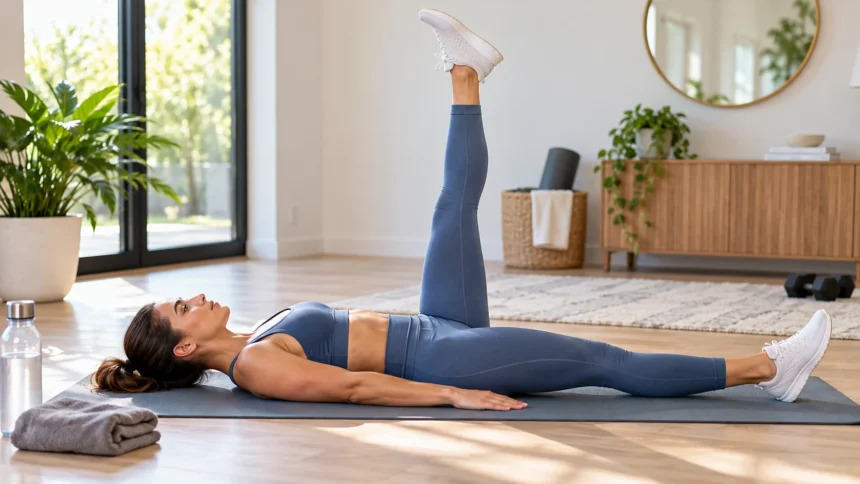
Single leg raises are a simple exercise that can help improve muscle strength, control, and stability. They require little equipment and can be performed at home, in a gym, or as part of a physical therapy program. Although the movement looks easy, proper technique is important for making the exercise comfortable and effective.
Learning how to perform single leg raises correctly can help you strengthen muscles around your hips, thighs, and abdomen. This exercise is commonly used in beginner fitness routines, rehabilitation programs, and gentle strengthening activities. It can also help people develop better awareness of how their legs and core muscles work together.
Whether you are new to exercise or want to improve your existing routine, understanding the correct form makes a difference. This guide explains how single leg raises work, which muscles they target, their potential benefits, common mistakes, and important safety considerations.
What Are Single Leg Raises?
Single leg raises are a strengthening exercise performed by lifting one leg while keeping the rest of the body supported and stable. The movement can be completed while lying on your back, side, or stomach, depending on the muscles being targeted. The most common variation involves lifting one straight leg while lying on your back.
In a typical lying single leg raise, one knee remains bent while the opposite leg stays straight. The straight leg is slowly lifted away from the floor before returning to the starting position. This movement primarily uses the hip flexor muscles while also engaging the front thigh and abdominal muscles for support.
Single leg raises are popular because they can be adapted to different ability levels and exercise goals. They do not require heavy weights or complicated equipment, making them convenient for home workouts. However, the appropriate variation depends on individual strength, mobility, comfort, and any existing injuries or medical conditions.
What Muscles Do Single Leg Raises Work?
The main muscles involved in a lying single leg raise are the hip flexors, which help lift the leg toward the body. These muscles include the iliopsoas and rectus femoris. They play important roles in everyday movements such as walking, climbing stairs, and bringing the thigh forward.
The quadriceps also contribute to the exercise by helping keep the raised knee straight. Meanwhile, the abdominal muscles work to stabilize the pelvis and reduce unnecessary movement through the lower back. This combination makes single leg raises useful for developing controlled movement rather than focusing on only one isolated muscle.
Different variations activate different muscle groups. Side-lying leg raises place greater emphasis on the hip abductors, including the gluteus medius. Prone leg raises involve the hip extensors, particularly the gluteal muscles. Understanding these differences helps you choose the variation that matches your goals and exercise needs.
How to Perform Single Leg Raises With Proper Form
Begin by lying comfortably on your back on a supportive exercise mat. Bend one knee and place that foot flat on the floor while keeping the opposite leg straight. Relax your shoulders, maintain a comfortable position through your spine, and gently engage your abdominal muscles without holding your breath.
Slowly lift the straight leg until it reaches approximately the height of your opposite bent knee. Keep the knee straight and avoid allowing your pelvis to twist or tilt excessively. The movement should remain controlled and comfortable rather than fast or forceful. You do not need to lift the leg unusually high.
Lower your leg slowly toward the starting position while maintaining steady breathing and body control. Rest briefly before repeating the movement if needed. Start with a small number of comfortable repetitions and switch legs as appropriate. If you experience pain, stop the exercise and seek guidance before continuing.
Benefits of Single Leg Raises for Muscle Strength
One potential benefit of single leg raises is improved strength in the muscles responsible for lifting the leg. The hip flexors and quadriceps contribute to many daily movements, including walking and climbing stairs. Strengthening these muscles may help support movement control when the exercise is performed consistently and appropriately.
Single leg raises also encourage controlled muscle activation without requiring complicated gym equipment. Because the exercise uses the weight of your own leg, it provides a simple way to practice lifting and lowering movements. The difficulty depends on factors such as leg position, individual strength, and the range of motion used.
Although single leg raises can strengthen specific muscles, they do not provide a complete lower-body workout. Other movements may be needed to train the glutes, hamstrings, calves, and additional muscle groups. Combining appropriate exercises creates a more balanced strengthening routine that supports everyday activities and physical function.
How Single Leg Raises Support Core Stability
Core stability involves coordinating the muscles that support the trunk, spine, and pelvis during movement. When performing single leg raises, the abdominal muscles help keep the pelvis steady as one leg lifts. This stabilization is important because uncontrolled movement may place unnecessary stress on the lower back.
The exercise can help develop awareness of how the legs and trunk work together. Instead of lifting the leg as quickly as possible, focus on maintaining a comfortable and controlled position. Gentle abdominal engagement supports the movement while allowing you to breathe naturally throughout each repetition.
However, single leg raises are primarily a hip flexor exercise rather than a complete abdominal strengthening program. People seeking better core stability may benefit from additional exercises suited to their abilities. Individuals with lower back discomfort should choose movements carefully because some leg raise variations can increase strain.
Single Leg Raises for Beginners
Beginners can start with a simple lying variation that provides support for the back and pelvis. Bending one knee while lifting the opposite straight leg often makes the exercise easier to control. This position can also help reduce unnecessary movement compared with lifting both legs simultaneously.
Start with a comfortable range of motion rather than trying to raise the leg as high as possible. If keeping the knee completely straight feels difficult, avoid forcing the movement. Your goal should be smooth muscle control and steady breathing, not achieving a specific height or completing large numbers of repetitions.
Short practice sessions can help beginners become familiar with the movement. Allow enough rest between repetitions and pay attention to how your body responds. As your control improves, you may gradually adjust the number of repetitions or movement range without sacrificing proper form or comfort.
Common Mistakes to Avoid During Single Leg Raises
One common mistake is lifting the leg too quickly and allowing momentum to perform the movement. Fast repetitions can make it harder to maintain control through the hips and pelvis. Slow, deliberate movements help you recognize which muscles are working and whether your body remains comfortable.
Another mistake is arching the lower back excessively during the exercise. This may occur when the abdominal muscles struggle to stabilize the pelvis or the movement exceeds a comfortable range. Reducing the lifting height, adjusting your starting position, or seeking professional guidance can help address this issue.
Holding your breath is another habit that may create unnecessary tension. Try to breathe naturally while lifting and lowering the leg rather than straining during each repetition. It is also important to avoid continuing through sharp pain, pinching sensations, or increasing discomfort around the hips or lower back.
Different Types of Single Leg Raise Exercises
The lying straight leg raise is one of the most familiar variations and primarily targets the hip flexors and quadriceps. It is commonly included in strengthening and rehabilitation programs. The exercise can be adjusted through changes in lifting height, starting position, and the amount of support provided.
Side-lying single leg raises focus more directly on the outer hip muscles. In this variation, the upper leg lifts gently away from the lower leg while the body remains supported on its side. The movement can help strengthen muscles involved in pelvic stability during walking and other daily activities.
Prone leg raises are performed while lying on the stomach and lifting one leg slightly away from the surface. This variation emphasizes hip extension and may activate the gluteal muscles. Each type has different benefits, so selecting the appropriate exercise depends on personal goals and professional recommendations when needed.
Single Leg Raises in Physical Therapy and Rehabilitation
Straight leg raises are frequently included in physical therapy programs because they allow controlled muscle activation using a simple movement. They may be prescribed during certain knee or hip rehabilitation programs. However, the appropriate timing and technique depend on the injury, surgical procedure, and individual recovery plan.
For example, a physical therapist may use straight leg raises to help strengthen the quadriceps while monitoring knee control. The exercise may also be modified to reduce discomfort or accommodate temporary movement limitations. Progression should follow professional guidance rather than assuming that additional repetitions will always improve recovery.
Not every injury or medical condition is suitable for leg raise exercises. Some people may need alternative movements, additional support, or temporary restrictions during healing. If you are recovering from surgery or managing ongoing pain, follow your healthcare professional’s instructions before including this exercise in your routine.
How Many Single Leg Raises Should You Do?
The appropriate number of single leg raises depends on your strength, comfort, exercise experience, and goals. Beginners may find that a few slow repetitions are enough to practice correct technique. People following a rehabilitation program should use the repetition range provided by their healthcare professional.
Rather than focusing entirely on numbers, pay attention to movement quality. Each repetition should feel controlled, with steady breathing and minimal unwanted movement through the pelvis. Stop before fatigue causes your form to deteriorate or uncomfortable sensations develop around the hip, knee, or lower back.
As the movement becomes easier, you can gradually increase repetitions within a comfortable range. Rest periods are also important because muscles need opportunities to recover between strengthening sessions. A balanced routine should match your individual abilities instead of relying on a single repetition target for everyone.
Safety Tips for Performing Single Leg Raises
Safety begins with choosing a comfortable surface and a variation suitable for your current abilities. Use a supportive exercise mat and avoid forcing your legs into uncomfortable positions. Gentle movement and controlled breathing are more important than lifting quickly or reaching a particular height.
People with hip injuries, significant lower back pain, or recent surgery may need individualized exercise recommendations. Certain movements can aggravate existing symptoms when performed incorrectly or at an unsuitable stage of recovery. A healthcare professional or qualified physical therapist can recommend appropriate modifications based on your condition.
Stop exercising if you notice sharp pain, increasing discomfort, dizziness, or unusual symptoms. Muscle effort may be expected, but pain should not be treated as a requirement for progress. Avoid forcing additional repetitions when tired, and allow your body appropriate recovery time between exercise sessions.
How to Add Single Leg Raises to Your Exercise Routine
Single leg raises can be included in a gentle strengthening routine alongside other suitable exercises. They may be performed after a comfortable warm-up or as part of a structured physical therapy program. The best placement depends on your overall goals and the other movements included in your session.
A balanced routine may combine single leg raises with appropriate exercises for the glutes, hamstrings, and core muscles. This helps develop strength across different muscle groups instead of focusing entirely on hip flexion. Choose activities that match your experience and avoid adding unnecessary complexity to your workout.
Consistency is often more helpful than attempting demanding sessions occasionally. Practicing with proper technique and allowing enough recovery can help support gradual improvement. As your confidence develops, you can review your routine and make appropriate adjustments based on comfort, progress, and professional guidance when necessary.
Conclusion
Single leg raises are a simple strengthening exercise that can support hip flexor and quadriceps strength while encouraging better movement control. The exercise requires minimal equipment and offers several variations for different purposes. Proper technique involves slow movements, comfortable positioning, and maintaining stability through the pelvis and lower back.
Potential benefits include improved muscle activation, controlled leg movement, and greater awareness of core stability. Single leg raises are also commonly used in selected physical therapy and rehabilitation programs. However, they are not suitable for every condition, and exercise selection should reflect individual abilities and health needs.
For the best experience, begin with a comfortable variation and prioritize movement quality over repetition numbers. Avoid forcing the leg upward, holding your breath, or continuing through pain. With appropriate practice and guidance when needed, single leg raises can become a useful part of a balanced strengthening routine.
Frequently Asked Questions (FAQs)
What are single leg raises good for?
Single leg raises can help strengthen the hip flexors and quadriceps while encouraging pelvic control. Different variations also target the gluteal muscles and may support movement stability during everyday activities.
Do single leg raises strengthen your abs?
Single leg raises engage the abdominal muscles to help stabilize the pelvis and lower back. However, the primary movement comes from the hip flexors, so they should not be considered a complete abdominal workout.
How many single leg raises should beginners do?
Beginners can start with a few comfortable repetitions on each side while focusing on proper form. The appropriate number depends on individual strength, movement control, and whether the exercise is part of rehabilitation.
Can single leg raises cause lower back pain?
Single leg raises may aggravate lower back discomfort when performed with excessive arching, poor pelvic control, or an unsuitable movement range. Stop if pain develops and seek professional guidance when symptoms persist.
What is the difference between single leg raises and double leg raises?
Single leg raises involve lifting one leg while the other remains supported, often making pelvic control easier. Double leg raises lift both legs together and generally place greater demands on abdominal stabilization and hip flexor strength.
