


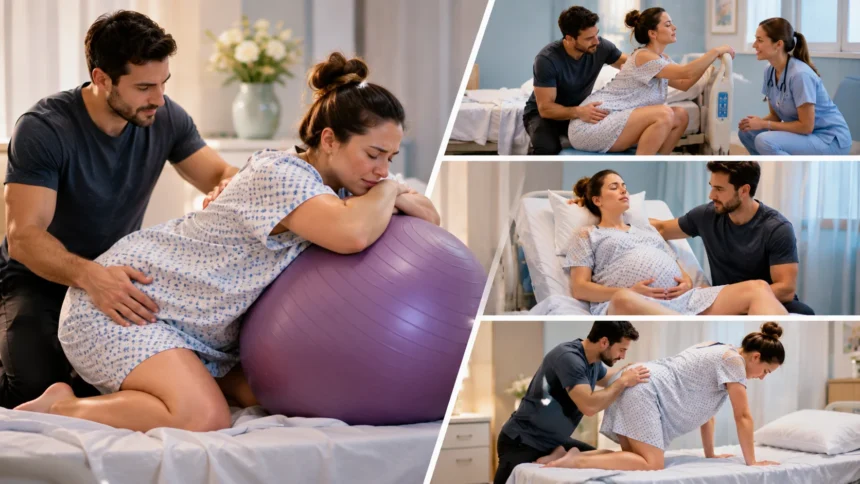
Labor can be an intense physical experience, and finding a comfortable position may make contractions easier to manage. Many people assume that lying on their backs is the only way to give birth, but several positions can be used during labor. Standing, walking, kneeling, and side-lying may provide comfort at different stages. Understanding labor positions helps expectant mothers explore suitable options while keeping safety a priority.
Every labor experience is different, and no single position works best for everyone. Some positions encourage movement and use gravity, while others provide rest or allow healthcare professionals to monitor the baby more easily. The most suitable choice depends on comfort, labor progress, medical conditions, and the type of pain relief being used.
Learning about different positions before childbirth can help you feel more prepared. However, flexibility is important because your needs may change throughout labor. This guide explains common labor positions, their possible benefits, when they may be useful, and important safety considerations during childbirth.
What Are Labor Positions?
Labor positions are different ways of positioning the body during contractions and childbirth. They include standing, sitting, walking, kneeling, squatting, and lying on the side. Each position changes how the pelvis, muscles, and surrounding structures respond to movement. Some positions may feel more comfortable during contractions, while others may help with pushing.
The body naturally responds to labor through movement, changes in posture, and shifting pressure. Many people feel an instinctive desire to change positions as contractions become stronger. Movement may help manage discomfort and reduce the strain of remaining in one place. However, medical circumstances can sometimes limit available options.
Healthcare professionals often encourage position changes when they are safe and practical. A midwife, nurse, or obstetrician can suggest positions based on labor progress and individual needs. The goal is not to follow one strict technique throughout childbirth. Instead, different positions can be explored as labor develops.
Why Labor Positions Matter During Childbirth
Labor positions can influence comfort, pelvic movement, and how pressure is distributed throughout the body. Upright positions may allow gravity to assist the baby’s descent in some circumstances. Side-lying positions can provide opportunities for rest while maintaining flexibility. These differences make position changes useful during various stages of labor.
Movement may also help some individuals cope with contraction pain. Walking, swaying, or leaning forward can provide a sense of control and reduce discomfort. However, responses vary, and a position that helps one person may feel uncomfortable for another. Personal comfort is an important part of choosing appropriate positions.
Research suggests that mobility and upright positioning during the first stage of labor may provide certain benefits, including shorter labor duration for some individuals. However, results depend on medical circumstances and the use of pain relief. Position changes are not guaranteed to speed childbirth. Safety and individual clinical needs should always guide decisions.
Standing and Walking During Early Labor
Standing and walking are common upright labor positions during the early stages of childbirth. Gentle movement allows the pelvis to change position naturally while contractions develop. Some individuals find walking more comfortable than remaining in bed. However, the amount of movement should reflect energy levels and medical guidance.
During early labor, short periods of walking may provide a useful distraction from contractions. You can pause, lean against a stable surface, or rest whenever needed. Comfortable footwear and a clear walking area help reduce the risk of slipping. A support person may provide assistance when appropriate.
Standing and walking are not suitable in every situation. Dizziness, significant weakness, certain medical complications, or reduced leg sensation from pain medication may make walking unsafe. Continuous monitoring does not always prevent movement, but equipment and clinical requirements can affect available options. Follow guidance from the maternity care team.
Sitting Positions for Labor Comfort
Sitting can provide a comfortable alternative when standing becomes tiring. An upright chair or adjustable hospital bed may allow rest while maintaining a supported position. Some people prefer sitting with their feet securely supported. The ideal arrangement depends on comfort, mobility, and the stage of labor.
Leaning slightly forward while sitting may reduce pressure on certain areas of the back. A pillow or folded blanket can provide additional support. Some individuals prefer sitting facing the back of a chair and resting their arms comfortably. These adjustments can make longer periods of sitting more manageable.
Prolonged sitting in one position may eventually become uncomfortable, so changing posture can be helpful. Avoid sitting on an unstable surface or using equipment without assistance. If fetal monitoring or medical treatment is required, the healthcare team can suggest suitable adjustments. Comfort and safety should remain the priorities.
Using a Birthing Ball During Labor
A birthing ball is a large exercise ball sometimes used to support movement during pregnancy and labor. Sitting on the ball may allow gentle pelvic rocking or small circular movements. Some people find these movements soothing during contractions. However, a birthing ball is optional rather than necessary for childbirth.
The ball should be appropriately sized and designed to support the person’s weight. Feet should remain securely on the floor, and the surface should not be slippery. A support person may help with balance when needed. Gentle movements are preferable to bouncing vigorously or making sudden changes in position.
Birthing balls may also be used while leaning forward, provided the setup is stable and supervised when necessary. They can support different positions during early labor. However, people with balance difficulties, numbness, or certain medical restrictions may need alternatives. Ask the maternity team whether using a ball is appropriate.
Hands-and-Knees Position During Labor
The hands-and-knees position involves supporting the body on the hands and knees. Some individuals find it comfortable when experiencing pressure or discomfort in the lower back. The position allows gentle pelvic movement and may reduce pressure on certain areas. It can be adjusted with pillows or additional support.
You may rest your upper body on a stable bed or suitable cushion rather than supporting all your weight through your wrists. This modification can reduce arm fatigue during contractions. Gentle rocking may feel soothing, but it is not necessary. Avoid movements that create pain or instability.
Hands-and-knees positioning is sometimes considered when the baby is in an occiput posterior position, commonly described as facing the mother’s abdomen. It may improve comfort, although evidence that it reliably changes the baby’s position is limited. Healthcare professionals can assess fetal positioning and recommend appropriate care. No position guarantees that a baby will rotate.
Side-Lying Position for Rest and Comfort
Side-lying is a common labor position that allows the body to rest between contractions. It may be particularly helpful when someone feels tired or cannot remain upright comfortably. Pillows can support the upper leg, abdomen, or back. This position also allows access for appropriate medical monitoring.
Some individuals prefer lying on the left side, while others find the right side more comfortable. Both may be reasonable depending on the medical situation. Side-lying can sometimes reduce discomfort from lying flat on the back. Healthcare professionals may recommend a particular side based on blood pressure, fetal monitoring, or other clinical findings.
During the pushing stage, side-lying may also be an option when the healthcare team considers it appropriate. Support may be needed to position the upper leg comfortably. This position can be particularly practical for some people receiving epidural pain relief. It provides an alternative to fully upright pushing positions.
Squatting and Supported Squatting During Labor
Squatting is an upright position that may change pelvic dimensions and allow gravity to assist the baby’s descent. Some individuals find it useful during later labor or pushing. However, squatting can require considerable leg strength and balance. It may not remain comfortable for long periods.
Supported squatting reduces the need to maintain the position independently. A sturdy support, appropriately designed birthing equipment, or assistance from trained staff may provide stability. Avoid pulling forcefully on another person or using unstable furniture. Safe support is especially important during strong contractions.
Squatting is not automatically the best position for every birth. Fatigue, pain relief, fetal monitoring, and medical complications may limit its suitability. Some individuals prefer alternating between squatting and resting positions. The healthcare team can help determine when this position is practical and safe.
Kneeling and Forward-Leaning Labor Positions
Kneeling can provide another option for people who find upright movement comfortable. It may be performed on a padded surface with the upper body supported by a stable bed. Leaning forward allows the back and shoulders to relax between contractions. This position may be particularly appealing during back discomfort.
A support person can help adjust pillows or provide reassurance while the laboring person changes position. The knees should rest on a comfortable surface to reduce unnecessary pressure. Avoid remaining in a posture that creates numbness or joint discomfort. Small adjustments may improve comfort.
Forward-leaning positions can be used during different stages of labor when medically appropriate. They may also allow gentle swaying or rocking movements. However, they do not guarantee faster dilation or delivery. Their main benefit may be improved comfort and the opportunity to move naturally.
Labor Positions With an Epidural
An epidural provides pain relief during labor but may also affect leg strength and sensation. The degree of movement limitation varies depending on the medication and individual response. Some people retain considerable movement, while others require assistance with changing positions. Independent standing or walking may be unsafe.
Side-lying and supported positions are commonly used during labor with an epidural. An adjustable hospital bed may allow the upper body to remain elevated. Nurses or midwives can help reposition the legs and pelvis safely. These changes may improve comfort and reduce the effects of remaining in one position.
A person receiving an epidural may still have several positioning options during labor and pushing. The appropriate choices depend on motor function, monitoring equipment, and the baby’s condition. Never attempt to stand without permission when leg sensation is reduced. The maternity care team can suggest safe alternatives.
Best Positions for Pushing During Childbirth
The pushing stage begins when the cervix is fully dilated and continues until the baby is born. Different positions may be used during this stage, including side-lying, supported sitting, kneeling, and squatting. The most suitable choice depends on individual circumstances. Comfort and the baby’s condition are important considerations.
Some people prefer upright positions because they feel more involved in the process. Others find side-lying or supported positions less tiring. There is no universal pushing position that produces the best outcome for every person. Healthcare professionals may recommend changing positions if labor progress or monitoring findings require attention.
During pushing, communication with the maternity care team is especially important. Staff can provide guidance based on contractions, fetal monitoring, and the progress of delivery. Avoid forcing yourself into a position that causes significant discomfort or feels unsafe. Flexibility allows adjustments as childbirth progresses.
When Should You Change Labor Positions?
There is no fixed schedule requiring position changes at particular intervals during labor. Some people change positions frequently, while others remain comfortable in one position for longer periods. The need to move may depend on contractions, fatigue, and pain relief. Listening to physical comfort can help guide decisions.
Early labor may provide more opportunities for walking or gentle movement. As contractions become stronger, some individuals prefer leaning, kneeling, or resting on their side. During pushing, different positions may become useful depending on progress. The healthcare team can recommend adjustments when appropriate.
Position changes should always consider medical safety. Dizziness, weakness, unusual symptoms, and reduced sensation may require assistance. Fetal monitoring or complications can also influence which positions are suitable. Rather than following rigid timing rules, work with maternity professionals to find comfortable options throughout labor.
Common Mistakes to Avoid With Labor Positions
One common mistake is assuming that a particular labor position guarantees an easier or faster birth. Although certain positions may provide benefits, responses differ between individuals. Labor progress depends on many factors beyond posture. Choosing a position solely because it is popular may create unnecessary expectations.
Another mistake is remaining in an uncomfortable position because of a predetermined birth plan. Preferences can change as contractions become stronger or medical needs develop. A flexible plan allows adjustments without treating them as failures. Comfort and clinical safety are more important than completing childbirth in one specific position.
Attempting unsupported movement when balance or leg sensation is reduced can also be dangerous. This is particularly important after receiving certain pain medications. Always request assistance when needed and avoid unstable equipment. A safe environment supports comfortable movement without introducing unnecessary risks.
Safety Tips for Different Labor Positions
Safe labor positioning begins with understanding individual medical circumstances. People with pregnancy complications may require specific monitoring or movement restrictions. Conditions affecting blood pressure, fetal well-being, or bleeding can influence available positions. Discuss preferences with the maternity care team before labor when possible.
During labor, use stable surfaces and appropriate support when changing positions. Sudden dizziness, weakness, or loss of balance should be reported immediately. Avoid movements that create significant pain or physical strain. Healthcare staff can assist with repositioning and suggest suitable alternatives.
Certain warning signs require immediate medical attention, including heavy bleeding, severe continuous abdominal pain, or concerning changes in the baby’s heart rate identified through monitoring. Do not attempt to manage these situations through position changes alone. The safest response depends on professional assessment. Medical recommendations should take priority when complications develop.
How a Birth Partner Can Help With Labor Positions
A birth partner can provide practical support by helping the laboring person remain comfortable. This may include arranging pillows, bringing water when permitted, or offering assistance during position changes. Calm communication can also help reduce unnecessary stress. Support should always follow the preferences of the person giving birth.
Partners can encourage gentle movement when it is safe and welcomed. They may help provide balance during supported standing or remind someone to rest when tired. However, physical support should not involve forceful pulling or unsafe lifting. Healthcare staff can demonstrate appropriate ways to assist.
The most useful role of a birth partner is often listening and responding to changing needs. A position that feels comfortable during one contraction may become unsuitable later. Flexibility and clear communication are important. Working cooperatively with maternity professionals helps maintain a supportive birth environment.
Conclusion
Labor positions provide different ways to manage comfort, movement, and physical demands during childbirth. Standing, walking, sitting, kneeling, side-lying, and supported squatting may all be useful in appropriate circumstances. Each position has possible benefits and limitations. The best choice depends on labor progress, individual preferences, and medical safety.
Changing positions can help some individuals cope with contractions and reduce the discomfort of remaining in one posture. However, no single position guarantees faster labor or an easier delivery. Pain relief, fetal monitoring, and medical complications may influence available options. Professional guidance helps ensure that movement remains appropriate throughout childbirth.
Preparing for labor involves learning possible positions while remaining flexible about the birth experience. Discuss preferences with your midwife or obstetrician and ask about the options available in your planned birth setting. Comfort, communication, and safety should guide every decision. A supportive maternity care team can help you explore suitable positions as labor progresses.
Frequently Asked Questions
What Is the Best Position During Labor?
There is no single best labor position for everyone. Walking, kneeling, side-lying, and supported sitting may provide comfort depending on labor progress, pain relief, and medical circumstances.
Can Walking Help During Early Labor?
Gentle walking may improve comfort and allow natural pelvic movement during early labor. However, walking should be avoided when medical restrictions, dizziness, or reduced leg sensation make it unsafe.
Is Squatting Safe During Childbirth?
Supported squatting may be appropriate for some individuals during labor or pushing. However, balance, fatigue, epidural effects, and medical conditions can affect safety, so professional guidance is important.
Can You Change Positions After Getting an Epidural?
Yes, many people can change positions with assistance after receiving an epidural. Side-lying and supported positions are common, but standing may be unsafe when leg strength or sensation is reduced.
When Should You Start Changing Labor Positions?
Position changes can be considered throughout labor when comfortable and medically appropriate. There is no fixed schedule, and the maternity care team can help determine suitable options at each stage.