


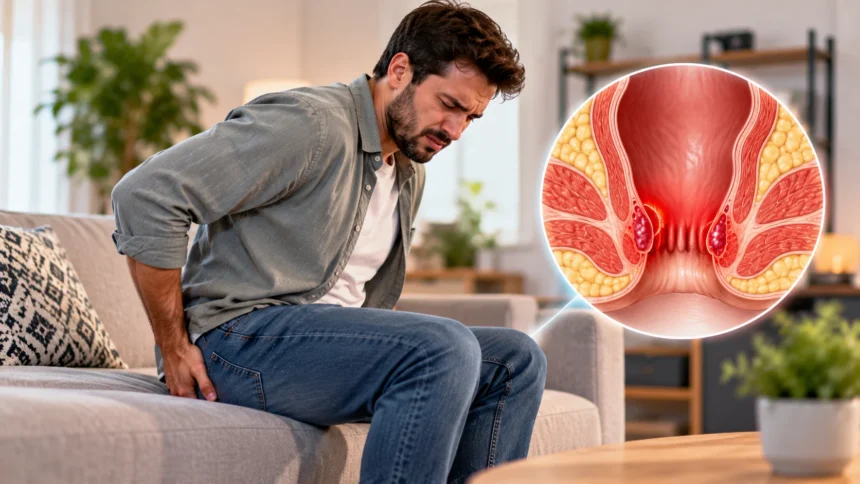
Sharp pain in the anus can be uncomfortable, unexpected, and sometimes difficult to understand. It may appear during bowel movements, while sitting, or suddenly without an obvious trigger. Although anal pain is often associated with common conditions such as constipation, hemorrhoids, or anal fissures, several other health problems can produce similar symptoms. Understanding the possible causes is an important first step toward finding appropriate relief.
Some people experience brief, stabbing sensations that disappear within minutes, while others notice persistent discomfort, irritation, or pain after using the bathroom. The severity and timing of symptoms can provide useful clues, but they cannot confirm a diagnosis. Fortunately, many common causes of anal pain respond to appropriate treatment and supportive self-care.
What Does Sharp Pain in the Anus Mean?
Sharp pain in the anus refers to sudden or intense discomfort around the anal opening or within the lower rectal area. The sensation may feel stabbing, cutting, burning, or cramping depending on the underlying cause. Some people notice pain only during bowel movements, while others experience unexpected episodes during rest, physical activity, or prolonged sitting.
The anus contains sensitive nerves, muscles, and tissues that help control bowel movements. Irritation, inflammation, muscle spasms, or injury affecting these structures can produce noticeable discomfort. Conditions involving the rectum, nearby pelvic floor muscles, or surrounding nerves may also cause pain that feels as though it originates directly from the anal opening.
Pain patterns can provide useful information when discussing symptoms with a healthcare professional. For example, pain associated with passing hard stool may suggest a different condition from sudden, brief discomfort occurring at night. However, similar symptoms can have different causes, so persistent or severe anal pain should not be diagnosed through symptoms alone.
Anal Fissures: A Common Cause of Sharp Anal Pain
An anal fissure is a small tear in the delicate lining of the anal canal. It is one of the common reasons people experience sharp pain during bowel movements. Fissures often develop when hard or unusually large stools stretch sensitive tissues, although frequent diarrhea and other forms of irritation can also contribute.
The most recognizable symptom is a sharp, cutting sensation when passing stool, sometimes followed by burning discomfort that continues afterward. Some people also notice a small amount of bright red blood on toilet paper. Pain may cause the anal sphincter muscles to tighten, which can increase discomfort and make subsequent bowel movements more difficult.
Many recent fissures improve with measures that keep stools soft and reduce irritation. Warm shallow baths, adequate hydration, and sufficient dietary fiber may support comfortable bowel movements. Persistent fissures sometimes require prescription treatments that relax the anal sphincter, and a clinician can determine whether additional treatment is necessary.
Hemorrhoids and Pain Around the Anal Opening
Hemorrhoids are swollen blood vessels located inside the rectum or around the anus. They can develop when pressure increases in the surrounding area, particularly with constipation, repeated straining, or prolonged sitting on the toilet. Although hemorrhoids are common, they do not always produce pain, and symptoms vary depending on their location.
Internal hemorrhoids often cause painless bleeding, while external hemorrhoids may create swelling, tenderness, or discomfort. A thrombosed external hemorrhoid can cause sudden, significant pain and a tender lump near the anal opening. Other symptoms may include itching, irritation, or difficulty sitting comfortably, especially when swelling affects sensitive surrounding tissues.
Gentle cleaning, avoiding unnecessary straining, and maintaining soft stools can help manage some hemorrhoid symptoms. Warm baths may provide temporary comfort, and a pharmacist or clinician can recommend suitable short-term treatments. Sudden severe pain, unexplained bleeding, or persistent swelling requires assessment because hemorrhoids are not the only possible explanation.
Constipation and Straining During Bowel Movements
Constipation is another common contributor to discomfort around the anus and rectum. When stool becomes hard or difficult to pass, bowel movements may place excessive pressure on sensitive tissues. Repeated straining can also contribute to anal fissures or hemorrhoids, creating additional irritation and making normal bathroom activities uncomfortable.
People experiencing constipation may notice infrequent bowel movements, hard stools, bloating, or a feeling that the bowel has not emptied completely. Some experience sharp discomfort while passing stool, particularly when existing irritation is present. However, severe or persistent anal pain should not automatically be attributed to constipation without considering other possible causes.
Improving bowel habits often involves drinking adequate fluids, consuming fiber-rich foods, and maintaining regular physical activity. Fruits, vegetables, whole grains, and other fiber sources can support softer stools when introduced gradually. Avoiding prolonged toilet sitting and responding to natural bowel urges may also reduce straining and support more comfortable digestion.
Proctalgia Fugax and Sudden Anal Muscle Spasms
Proctalgia fugax is a condition associated with sudden episodes of sharp pain in or around the anus. The discomfort can appear unexpectedly and may feel like an intense muscle cramp or stabbing sensation. Episodes typically last from several seconds to minutes and resolve without causing permanent damage to the surrounding tissues.
Researchers believe the condition may involve temporary spasms of anal muscles or changes in nearby nerve activity. Some people experience episodes during the night, while others notice symptoms during ordinary daily activities. The frequency varies considerably, and individuals may go long periods without discomfort before experiencing another unexpected episode.
Because proctalgia fugax is generally diagnosed after other causes have been excluded, unexplained recurring pain deserves medical evaluation. Gentle relaxation and warmth may provide comfort during some episodes, although individual responses differ. A healthcare professional can discuss appropriate treatment when episodes become frequent, disruptive, or difficult to distinguish from other anorectal conditions.
Anal Abscesses and Infections That Cause Pain
An anal abscess occurs when an infection leads to a collection of pus near the anus or rectum. Unlike brief muscle spasms, this condition often causes persistent, worsening pain that may feel throbbing or sharp. Swelling, warmth, tenderness, and discomfort while sitting can accompany the pain as inflammation develops.
Some individuals also experience fever, chills, fatigue, or drainage from the affected area. An anal fistula, which is an abnormal passage between the anal canal and nearby skin, may develop in association with an abscess. Other infections and inflammatory conditions can also produce discomfort, making professional examination important when symptoms suggest infection.
A suspected anal abscess requires prompt medical assessment because it commonly needs a drainage procedure rather than home treatment alone. Antibiotics may be recommended in certain circumstances, but they are not a substitute for drainage when necessary. Avoid squeezing swollen areas or attempting self-treatment, as this may delay appropriate care and worsen complications.
Pelvic Floor Dysfunction and Nerve-Related Anal Pain
The pelvic floor contains muscles that support the pelvic organs and contribute to bowel control. When these muscles remain excessively tense or do not coordinate properly, some people experience discomfort around the rectum or anus. Pelvic floor-related pain may be accompanied by pressure, difficulty relaxing during bowel movements, or discomfort with prolonged sitting.
Levator ani syndrome is one condition associated with persistent or recurring pelvic floor discomfort. Unlike the brief episodes typical of proctalgia fugax, symptoms may last longer and feel like a deep ache or pressure. Some people also experience tenderness in nearby pelvic muscles, although symptoms vary and require professional assessment.
Nerve-related conditions, including pudendal neuralgia, may occasionally produce burning, stabbing, or shooting discomfort in the anal region. These conditions are less common than constipation or fissures and require careful evaluation. Treatment may involve specialized pelvic floor physical therapy, appropriate pain management, or other individualized approaches depending on the underlying diagnosis.
Other Possible Causes of Sharp Anal Pain
Sharp anal pain can sometimes result from inflammatory conditions affecting the lower digestive tract. Inflammatory bowel diseases, including Crohn’s disease and ulcerative colitis, may produce rectal discomfort alongside other digestive symptoms. Depending on the condition, individuals may experience diarrhea, bleeding, abdominal pain, or changes in normal bowel habits.
Local skin irritation and certain infections can also cause pain around the anal opening. Frequent wiping, fragranced hygiene products, and persistent moisture may irritate sensitive skin. Some sexually transmitted infections can affect the rectum or surrounding tissues, and evaluation may be needed when symptoms include discharge, sores, inflammation, or unexplained discomfort.
Less commonly, persistent anal or rectal pain can be associated with growths or other serious medical conditions. Pain alone does not establish the presence of a serious disease, but ongoing bleeding or unexplained bowel changes should not be ignored. A healthcare professional can determine whether examination, laboratory testing, or additional investigations are appropriate.
How to Relieve Sharp Pain in the Anus at Home
Gentle self-care may help relieve mild anal discomfort when there are no warning signs of infection or another urgent condition. Sitting in a warm, shallow bath can relax surrounding muscles and soothe irritated tissues. The water should feel comfortably warm rather than hot, and harsh soaps or fragranced products should be avoided around the sensitive area.
Keeping stools soft can also reduce discomfort during bowel movements, especially when constipation or an anal fissure contributes to symptoms. Drinking sufficient water and gradually increasing dietary fiber may help support regular bowel habits. If constipation continues, a healthcare professional or pharmacist can advise whether a suitable stool-softening treatment may be helpful.
Careful hygiene is another important part of managing mild irritation. Clean the area gently with water or suitable unscented materials, then pat dry without rubbing. Avoid excessive wiping, unnecessary pressure, and repeated attempts to examine a painful area, particularly when swelling or tenderness is present.
Healthy Bathroom Habits to Prevent Recurring Pain
Developing comfortable bathroom habits can help reduce unnecessary pressure on the anal region. Avoid forcing bowel movements or sitting on the toilet for extended periods while waiting for stool to pass. Responding when the body naturally signals the need to use the bathroom may help prevent stools from becoming increasingly hard.
A balanced diet containing appropriate fiber sources supports digestive health and regular bowel movements. Foods such as oats, vegetables, fruits, and legumes can contribute to daily fiber intake. Increasing fiber gradually is generally preferable because a sudden large increase may cause bloating or digestive discomfort, particularly when fluid intake is inadequate.
Regular physical activity can also support normal bowel function and general well-being. Walking and other comfortable movements are practical options for many people, although activities that worsen existing pain may need temporary adjustment. Long-term prevention depends on addressing the underlying cause, since improved bowel habits cannot prevent every condition associated with anal discomfort.
How Doctors Diagnose and Treat Anal Pain
A healthcare professional usually begins by asking about the timing, location, severity, and duration of symptoms. Questions may cover bowel habits, bleeding, constipation, fever, and previous episodes of discomfort. This information helps identify possible causes and determine whether further examination is necessary to understand the problem accurately.
Depending on symptoms, the clinician may recommend a gentle examination of the surrounding area or additional tests. Some conditions can be identified through an external assessment, while others require further investigation. If pain is significant, patients should explain their discomfort so the healthcare professional can choose an appropriate and sensitive examination approach.
Treatment depends on the confirmed diagnosis rather than the intensity of pain alone. Anal fissures may require stool management and prescription ointments, while hemorrhoids sometimes benefit from specific medical procedures. Infections, pelvic floor disorders, and inflammatory conditions require different approaches, making accurate diagnosis important for effective and lasting symptom management.
When Should You Worry About Sharp Anal Pain?
Mild anal discomfort sometimes improves with gentle care, but severe or worsening symptoms should receive medical attention. Persistent pain, recurrent episodes, or bleeding from the rectum should be assessed rather than repeatedly treated at home. Early evaluation can identify common problems and help prevent complications associated with untreated infections or ongoing inflammation.
Seek urgent medical care if anal pain occurs with fever, chills, increasing swelling, or signs of infection. Black or dark red stool also requires urgent assessment. Continuous or heavy rectal bleeding, particularly with faintness or weakness, is an emergency and needs immediate medical attention rather than waiting for symptoms to settle.
It is also important to arrange an examination when pain interferes with daily activities or fails to improve after a few days. New bowel changes, unexplained weight loss, or repeated bleeding deserve professional investigation. Even when symptoms appear similar to hemorrhoids or fissures, a clinician can help determine the actual cause and recommend appropriate treatment.
Conclusion
Sharp pain in the anus can develop for several reasons, including anal fissures, hemorrhoids, constipation, muscle spasms, infections, and pelvic floor disorders. Some conditions produce brief episodes, while others cause persistent discomfort during bowel movements or ordinary activities. Recognizing symptom patterns can help explain potential causes, but an accurate diagnosis may require professional evaluation.
Gentle self-care measures such as warm baths, adequate hydration, balanced fiber intake, and careful hygiene can provide relief for some common causes. Avoiding straining and maintaining comfortable bowel habits may also reduce recurring irritation. However, these measures cannot replace medical treatment when symptoms result from infection, significant inflammation, or another underlying condition.
Persistent, severe, or worsening anal pain should never be ignored, particularly when accompanied by bleeding, fever, or unusual swelling. Seeking timely medical guidance can help identify the problem and support appropriate treatment. With an accurate diagnosis and suitable care, many common causes of anal discomfort can be managed successfully.
Frequently Asked Questions (FAQs)
Why Do I Get a Sudden Sharp Pain in My Anus?
Sudden sharp anal pain can result from muscle spasms, anal fissures, hemorrhoids, or other conditions. Brief episodes may be associated with proctalgia fugax, but recurring symptoms should be evaluated.
Can Constipation Cause Sharp Pain in the Anus?
Yes, constipation can make stools hard and difficult to pass, increasing pressure on sensitive anal tissues. Straining may also contribute to fissures or hemorrhoids that cause sharp discomfort during bowel movements.
How Can I Relieve Sharp Anal Pain Naturally?
Warm shallow baths, adequate hydration, fiber-rich foods, and gentle hygiene may help relieve mild discomfort. However, severe, persistent, or infection-related pain requires medical assessment rather than relying on home remedies.
Why Does My Anus Hurt When I Sit Down?
Pain while sitting may occur with inflamed hemorrhoids, infections, pelvic floor muscle problems, or other conditions. Persistent discomfort, especially with swelling or fever, should be assessed by a healthcare professional.
When Is Sharp Anal Pain a Medical Emergency?
Seek emergency care for heavy or continuous rectal bleeding, particularly with weakness or faintness. Severe anal pain accompanied by fever or chills requires urgent medical assessment because an infection may be present.