


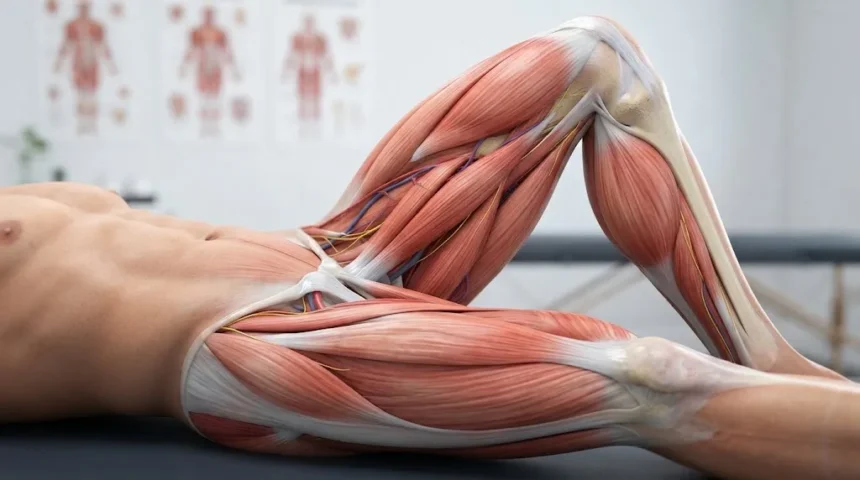
What Are the Inner Thigh Muscles?
The inner thigh muscles are a group of muscles located along the inside of the upper leg. They are commonly known as the hip adductors because one of their main jobs is bringing the leg toward the center of the body. These muscles also contribute to hip stability, walking, running, balance, and many everyday movements that involve controlling the legs.
The major inner thigh muscles include the adductor longus, adductor brevis, adductor magnus, gracilis, and pectineus. Although they are grouped together, each muscle has slightly different attachments and functions. Some help with hip flexion or extension, while others contribute to knee movement or rotation of the thigh.
Strong, well-coordinated adductors help stabilize the pelvis when you walk, change direction, climb stairs, or stand on one leg. They are especially important in sports that involve cutting, kicking, sprinting, or sudden lateral movements. Understanding their anatomy can help explain why inner thigh weakness or strain can affect more than just the groin area.
Adductor Longus
The adductor longus is one of the most recognizable muscles of the inner thigh. It begins near the front of the pelvis and attaches along the inner part of the femur, or thigh bone. Its primary role is hip adduction, meaning it helps pull the leg inward toward the body’s midline during movement.
This muscle also contributes to hip flexion in certain positions and helps stabilize the pelvis while standing or walking. During running and sports, it works with other hip muscles to control the leg as it moves forward and backward. Sudden changes in direction can place significant stress on the adductor longus.
Adductor longus strains are common in activities such as football, soccer, hockey, and martial arts. Pain usually develops in the groin or upper inner thigh and may worsen when squeezing the legs together. Gradual strengthening and proper load progression can help improve the muscle’s ability to tolerate these demanding movements.
Adductor Brevis and Pectineus
The adductor brevis sits deeper than the adductor longus and also connects the pelvis to the femur. It assists with bringing the leg toward the midline and helps control hip position during movement. Because it lies beneath larger muscles, discomfort from this area can sometimes feel deep within the groin.
The pectineus is a smaller muscle positioned near the upper inner thigh. It contributes to hip adduction and flexion, particularly when the leg moves forward and inward. Although relatively small, it works alongside the other adductors to maintain control during walking, stepping, and changes in body position.
These muscles rarely work alone. During most everyday activities, several hip muscles activate together to keep the pelvis and thigh stable. Weakness or irritation in one part of the adductor group may therefore affect how the entire hip region functions, especially during repeated walking, running, or lateral movement.
Adductor Magnus
The adductor magnus is the largest and most powerful muscle in the inner thigh group. It extends from the pelvis along a large section of the femur and has different portions that perform slightly different roles. Because of its size, it contributes significantly to hip adduction, stability, and force production.
One part of the adductor magnus assists with hip flexion, while another part contributes strongly to hip extension. This means it can help both when the leg moves forward and when you drive the hip backward during activities such as running, climbing, or rising from a squat.
The adductor magnus can become particularly active during deeper squats and other movements involving substantial hip flexion. It works with the gluteal muscles to extend the hip as you stand. This makes it important not only for inward leg movement but also for general lower-body strength and powerful hip extension.
Gracilis Muscle
The gracilis is a long, thin muscle that runs from the pelvis down the inner thigh and crosses the knee joint. Because it crosses both the hip and knee, it can influence movement at both areas. It helps bring the thigh inward while also assisting with knee flexion and inward rotation of the lower leg.
The gracilis works during walking, running, and movements that require coordinated control between the hip and knee. Its long position along the inner thigh allows it to help stabilize the leg as body weight shifts from one side to the other.
Because it crosses the knee, irritation or tightness in the gracilis can sometimes contribute to discomfort closer to the inner knee rather than only in the groin. If inner knee swelling or stiffness is also present, understanding knee joint effusion may help distinguish muscle-related discomfort from fluid or joint-related symptoms.
What Do the Inner Thigh Muscles Do?
The most obvious function of the inner thigh muscles is hip adduction. This movement brings the leg toward the body’s center, such as when crossing one leg toward the other. Adduction is important during walking and sports because the leg must constantly move toward and away from the body’s midline while maintaining balance.
The adductors also stabilize the pelvis. When you stand on one leg, these muscles work with the glutes and other hip stabilizers to prevent excessive side-to-side movement. This control becomes even more important during running, cutting, jumping, and any activity where the body must quickly shift weight between the legs.
Several inner thigh muscles also contribute to hip flexion, extension, and rotation depending on joint position. This is why the adductors are active during squats, lunges, sprints, and climbing. Their role is more complex than simply pulling the legs inward, making them an essential part of overall lower-body function.
Inner Thigh Muscles During Walking and Running
During walking, the adductors help control the thigh as each leg swings forward and then accepts body weight. They prevent excessive side-to-side movement and help keep the pelvis stable. Although this activity may feel effortless, the inner thigh muscles are continuously coordinating with the glutes, hamstrings, quadriceps, and core.
Running increases the demand because the legs move faster and absorb greater forces. The adductors help control the thigh during foot contact and contribute to hip extension as the body moves forward. Strong inner thigh muscles can therefore support efficient stride mechanics and improve the body’s ability to manage repeated impact.
Fatigue can reduce this control, particularly during long runs or high-intensity sports. When the adductors become tired, the hips and knees may move differently as the body compensates. Building strength and endurance in the inner thighs can help the lower body maintain more consistent movement as activity becomes more demanding.
Inner Thigh Muscles During Squats and Lunges
Squats involve the adductors more than many people realize. As the hips bend and the body lowers, muscles such as the adductor magnus help control the thigh. During the upward phase, they contribute to hip extension alongside the glutes, particularly when rising from deeper squat positions.
Lunges also challenge the inner thigh muscles because each leg must stabilize the pelvis while controlling the knee and hip. Side lunges place even greater emphasis on the adductors by loading them through a wider lateral range. This can make lateral lunges useful for building both strength and movement capacity.
Proper progression matters because deeper or wider movements increase the amount of stretch and load placed on the inner thigh. Beginners should start with a comfortable range and gradually increase depth or resistance. Sudden exposure to deep lateral lunges or heavy squats can leave the adductors unusually sore or irritated.
Common Inner Thigh Muscle Injuries
Adductor strains are among the most common inner thigh injuries. They usually occur when the muscle is stretched or loaded suddenly, such as during sprinting, kicking, slipping, or changing direction quickly. Pain may be sharp at the moment of injury and followed by tenderness, stiffness, or discomfort when bringing the legs together.
Mild strains involve relatively small amounts of muscle damage and may allow normal walking with some soreness. More significant strains can produce bruising, weakness, and difficulty running or changing direction. Severe tears are less common but may require professional assessment and a longer rehabilitation period.
Not every inner thigh pain is a muscle strain. Hip joint problems, hernias, nerve irritation, pelvic conditions, or referred pain can produce similar symptoms. Pain that is severe, persistent, accompanied by swelling or systemic symptoms, or unrelated to movement should be professionally evaluated.
How to Strengthen the Inner Thigh Muscles
Side-lying hip adduction is a simple exercise for directly strengthening the inner thigh. Lie on one side, move the top leg out of the way, and slowly lift the lower leg upward. Keep the movement controlled and avoid twisting the pelvis to create extra range.
Ball or pillow squeezes can provide another beginner-friendly option. Place a soft ball or folded pillow between the knees and gently squeeze inward while keeping the rest of the body relaxed. This creates an isometric contraction, meaning the adductors work without significant joint movement.
More advanced exercises include lateral lunges, Copenhagen planks, sumo squats, and controlled single-leg movements. These exercises increase the load placed on the adductors and can help prepare them for sports or demanding activities. Progress gradually so strength improves without creating unnecessary groin soreness or strain.
How to Stretch the Inner Thigh Muscles
A seated butterfly stretch can gently lengthen the inner thigh muscles. Sit with the soles of the feet together and allow the knees to move outward naturally. Keep your back relatively upright and avoid pushing the knees forcefully toward the floor.
A wide-stance side shift is another useful stretch. Stand with your feet wider than shoulder-width, bend one knee, and shift your weight toward that side while keeping the opposite leg straighter. You should feel a mild stretch along the inner thigh of the straighter leg.
Stretching should remain comfortable and should not reproduce sharp groin pain. More intensity does not necessarily improve flexibility faster, especially after an injury. Short, gentle stretches combined with progressive strengthening usually provide a more balanced approach than relying only on passive flexibility work.
When Inner Thigh Pain Needs Medical Attention
Seek medical evaluation if inner thigh pain follows significant trauma or makes normal walking difficult. Severe bruising, swelling, sudden weakness, or a popping sensation during injury can indicate a more substantial muscle tear. These symptoms deserve assessment rather than repeated attempts to stretch the painful area.
Pain that does not clearly behave like a muscle problem should also be checked. Persistent groin swelling, a noticeable lump, fever, numbness, or pain unrelated to movement can have causes outside the adductor muscles. The same applies when symptoms continue for several weeks despite sensible activity changes.
Sudden severe leg swelling, redness, warmth, or shortness of breath requires urgent medical attention. These symptoms are not typical of an ordinary inner thigh strain and can signal a more serious medical problem. When the cause is unclear, professional evaluation is safer than assuming all inner thigh pain comes from tight or overworked muscles.
Conclusion
The inner thigh muscles include the adductor longus, adductor brevis, adductor magnus, gracilis, and pectineus. Together, they help pull the leg inward, stabilize the pelvis, and contribute to hip flexion, extension, and rotation. Their combined role makes them important during walking, running, squatting, lunging, and athletic movement.
Strong adductors improve lower-body control and help the hips and knees manage forces during daily and sporting activities. Exercises such as hip adduction, ball squeezes, lateral lunges, and Copenhagen planks can build strength, while gentle mobility work can maintain comfortable range. Training should progress gradually to reduce the risk of overloading the groin.
Inner thigh pain is often caused by muscle strain or overuse, but other conditions can create similar symptoms. Severe pain, significant swelling, bruising, weakness, or persistent unexplained discomfort should be evaluated professionally. Understanding the anatomy and function of these muscles can make it easier to train them safely and recognize when symptoms need further attention.
FAQs
What are the main inner thigh muscles?
The main inner thigh muscles are the adductor longus, adductor brevis, adductor magnus, gracilis, and pectineus. Together, they are commonly referred to as the hip adductor muscle group.
What is the main function of the inner thigh muscles?
Their primary function is bringing the leg toward the body’s midline. They also stabilize the pelvis and contribute to hip flexion, extension, rotation, walking, running, squatting, and balance.
What causes inner thigh muscle pain?
Common causes include muscle strain, overuse, sudden changes of direction, sprinting, kicking, or rapid increases in exercise. Hip, pelvic, and other medical conditions can sometimes produce similar pain.
How can I strengthen my inner thighs?
Useful exercises include side-lying hip adduction, pillow squeezes, lateral lunges, sumo squats, and Copenhagen planks. Start with manageable resistance and increase difficulty gradually as strength improves.
When should inner thigh pain be checked by a doctor?
Seek medical care for severe pain, major bruising, swelling, inability to walk normally, a noticeable groin lump, fever, or symptoms that remain persistent despite appropriate rest and rehabilitation.