


You sit down to finish your work, but that familiar pelvic discomfort returns. You change your sitting position, try to concentrate, and hope the pain settles. Instead, you find yourself worrying about how you will get through the rest of the day.
Learning how to manage pelvic pain and stress can help you approach these difficult moments with greater confidence. Persistent discomfort can affect your sleep, productivity, relationships, and emotional well-being. The uncertainty of another painful episode can make everyday activities feel overwhelming.
Fortunately, small changes in your daily routine may help you manage these challenges. From gentle breathing exercises to structured self-care, there are several ways to support your physical and emotional health. Here are seven practical strategies worth exploring alongside appropriate medical care.
1. Understand the Connection Between Pelvic Pain and Stress
Have you ever noticed that your pelvic discomfort feels worse after a stressful day? When you experience stress, your body may respond by tightening certain muscles. This response can also affect your pelvic floor muscles.
Your pelvic floor is a group of muscles that supports your bladder, bowel, and other pelvic organs. When these muscles become overly tense, some people experience discomfort or difficulty relaxing them. Stress may contribute to this tension, although it is not the only possible cause.
Unfortunately, worrying about pain can create another challenge. You may start avoiding activities because you fear they will make your symptoms worse. This can make daily life more frustrating and emotionally exhausting.
Understanding your pain patterns is an important first step. Keep a simple journal to record when discomfort occurs, what you were doing, and how you were feeling. These observations can help you recognize patterns and have more productive conversations with your healthcare provider.
2. Practice Gentle Breathing Exercises
When life gets busy, you may breathe quickly without noticing it. Shallow breathing can contribute to muscle tension and make relaxation more difficult. This is particularly frustrating when you are already experiencing pelvic discomfort.
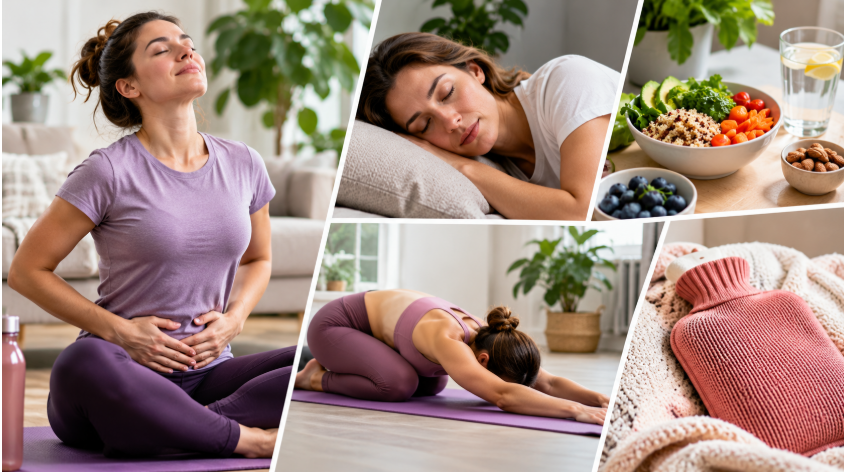
Diaphragmatic breathing, sometimes called belly breathing, encourages a more relaxed breathing pattern. Your diaphragm and pelvic floor work together during normal breathing. Learning to breathe comfortably may help reduce unnecessary muscle tension.
Follow these simple steps to get started:
- Sit or lie down in a comfortable position.
- Relax your shoulders and jaw.
- Breathe gently through your nose.
- Allow your abdomen and lower ribs to expand naturally.
- Exhale slowly without forcing your breath.
Practice for a few minutes when you feel comfortable. You could include breathing exercises in your morning routine or before bedtime. Stop if you experience dizziness, increased discomfort, or difficulty breathing.
Remember, the goal is relaxation rather than perfect technique. You do not need to force your pelvic muscles to relax. Give yourself permission to breathe naturally and comfortably.
3. Build a Consistent Pelvic Floor Self-Care Routine
Finding reliable pelvic health information can feel overwhelming. One website recommends strengthening exercises, while another suggests relaxation techniques. Without understanding your symptoms, it can be difficult to decide which approach is appropriate.
Not everyone with pelvic floor dysfunction needs strengthening exercises. Some people have overly active pelvic floor muscles that need help relaxing. Performing repetitive muscle contractions without appropriate guidance may worsen discomfort in these cases.
Structured educational resources can help you understand pelvic health and develop informed self-care habits. For example, PelvicSense is a self-paced digital educational program that combines pain science, guided mind-body activities, and pelvic wellness education. It is designed to support self-care alongside professional medical treatment.
A manageable self-care routine could include gentle breathing, comfortable movement, relaxation exercises, and symptom tracking. Start with activities recommended by your healthcare provider rather than attempting everything at once. Choose habits that fit comfortably into your existing schedule.
Consistency matters more than intensity. A simple routine that you can maintain without increasing your symptoms may be more useful than a demanding routine that leaves you feeling uncomfortable or exhausted.
4. Include Gentle Movement in Your Daily Life
Living with pelvic pain can make physical activity feel intimidating. You might worry that walking, stretching, or completing household tasks will trigger another flare-up. As a result, you may find yourself moving less than usual.
However, appropriate movement may support mobility, general well-being, and stress management. The important thing is to select activities that suit your individual symptoms. Avoid pushing through pain or following exercise routines that make your discomfort worse.
Depending on your healthcare provider’s recommendations, suitable activities may include:
- Short, comfortable walks.
- Gentle mobility exercises.
- Supported relaxation positions.
- Comfortable changes in sitting posture.
- Light stretching recommended by a physical therapist.
Imagine spending several hours working at your desk without changing positions. Instead of waiting until discomfort increases, consider taking regular breaks to move or adjust your posture. Even small changes may make prolonged sitting more manageable.
Pay attention to how your body responds during and after physical activity. If an activity consistently increases your symptoms, discuss it with your healthcare provider. Movement should support your well-being rather than become another source of pressure.
5. Choose an Online Pelvic Floor Program That Fits Your Needs
Finding professional pelvic health support is not always straightforward. Busy schedules, limited local specialists, and long appointment waits can make accessing care difficult. These barriers may leave people searching for additional educational resources.
When searching for the Best Pelvic Floor Program Online, remember that the right choice depends on your symptoms, individual needs, and medical guidance. A reliable program should explain its purpose, limitations, and approach rather than promise immediate or guaranteed results.
Look for these features when comparing online pelvic health programs:
- Content developed by qualified professionals.
- Clear and accessible pelvic health education.
- Appropriate relaxation and movement guidance.
- Flexible, self-paced learning options.
- Realistic expectations about symptom management.
- Clear guidance on when to seek professional care.
An online program can provide structure for learning about pelvic health at home. It may also help you prepare questions for your physical therapist or doctor. However, it cannot diagnose the underlying cause of your pain or replace personalized treatment.
Before starting a new program, discuss your symptoms with a qualified healthcare professional. This is especially important if you have recently developed pelvic pain or noticed changes in your usual symptoms.
6. Use Grounding Techniques During Stressful Moments
Persistent pelvic discomfort can make it difficult to focus on anything else. You may find yourself worrying about future appointments, upcoming responsibilities, or the possibility of another painful episode. These thoughts can make stressful situations harder to manage.
Grounding exercises encourage you to bring your attention back to your immediate surroundings. Rather than becoming absorbed in worries about what might happen next, you focus on what you can experience right now. This may help you feel more settled during overwhelming moments.
One popular approach is the 54321 grounding technique, which uses your five senses to reconnect with the present moment.
Here is how it works:
- 5 things you can see: Notice objects around you.
- 4 things you can feel: Focus on textures or physical sensations.
- 3 things you can hear: Notice nearby sounds.
- 2 things you can smell: Identify familiar scents.
- 1 thing you can taste: Notice a taste in your mouth.
You can practice this technique while sitting comfortably at home, during a work break, or before a stressful appointment. There is no need to rush through each step. Simply notice your surroundings without judging your experience.
Grounding does not treat the underlying cause of pelvic pain. However, it may help you manage the emotional stress associated with persistent discomfort. You can combine it with other relaxation strategies that feel comfortable for you.
7. Improve Your Daily Habits and Seek Professional Support
Managing pelvic pain involves more than performing occasional exercises. Poor sleep, demanding schedules, and limited opportunities to relax can make everyday challenges feel harder. Small improvements in your routine may support your overall well-being.
Prioritize regular sleep, adequate hydration, balanced meals, comfortable sitting positions, and breaks throughout the day. Make time for activities that help you unwind, such as reading, listening to music, or spending time with supportive people.
Most importantly, do not ignore persistent or unexplained pelvic pain. A healthcare professional or pelvic floor physical therapist can help identify possible contributing factors and recommend appropriate treatment options.
Seek urgent medical attention if pelvic pain occurs with fever, unusual bleeding, difficulty urinating, or possible pregnancy. Sudden severe pain, fainting, or heavy bleeding requires emergency medical assessment.
Self-care works best when it complements appropriate professional care. Asking for support can help you make more informed decisions about your pelvic health and avoid unnecessary trial and error.
Conclusion
Learning how to manage pelvic pain and stress begins with understanding your symptoms and identifying supportive daily habits. Gentle breathing, grounding exercises, comfortable movement, and structured education may help you navigate some of the physical and emotional challenges associated with persistent discomfort.
You do not need to change your entire lifestyle overnight. Start with one manageable habit that fits your needs and daily schedule. Give yourself time to discover which strategies support your comfort without increasing your symptoms.
If pelvic discomfort continues to interfere with your everyday life, arrange an appointment with a qualified healthcare professional. With appropriate guidance, realistic expectations, and consistent self-care, you can take meaningful steps toward supporting your pelvic health and emotional well-being.
Frequently Asked Questions
Can stress make pelvic pain worse?
Yes, stress may increase muscle tension and pain sensitivity in some people. However, pelvic pain can have several underlying causes, so persistent symptoms should receive appropriate medical assessment.
How can I relax my pelvic floor muscles?
Comfortable diaphragmatic breathing and professionally recommended relaxation exercises may help. A pelvic floor physical therapist can determine which techniques are appropriate for your specific symptoms.
Can walking help with pelvic pain?
Gentle walking may support mobility and emotional well-being when tolerated. Start at a comfortable pace and consult your healthcare provider if walking consistently increases your discomfort.
Are online pelvic floor programs helpful?
Online programs can provide pelvic health education, guided relaxation activities, and structured self-care resources. However, they should complement rather than replace professional diagnosis and personalized medical treatment.
How long does it take to improve pelvic pain?
Recovery varies depending on the underlying cause, symptom severity, and individual treatment needs. Some people experience gradual improvements, while others require longer-term professional support and symptom management.