


Pain at Base of Skull: Causes & Relief Options
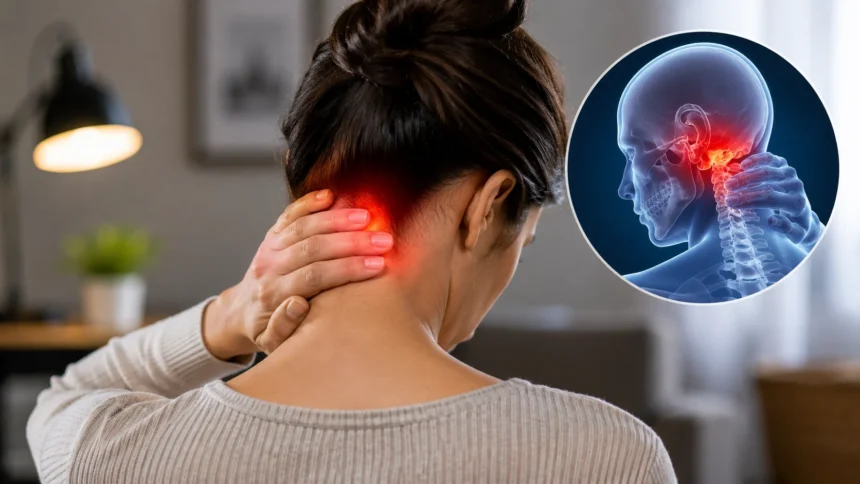
Pain at the base of the skull can feel like pressure, aching, stiffness, burning, or a sharp sensation where the upper neck meets the back of the head. For many people, the cause is related to tight neck muscles, prolonged screen use, awkward sleeping positions, stress, or irritation of structures in the upper cervical spine. However, pain in this location can also occur with cervicogenic headaches, occipital neuralgia, migraine, arthritis, or injuries such as whiplash. Because several conditions can produce similar symptoms, the location of pain alone does not identify the exact cause. How the discomfort started, whether neck movement changes it, and which other symptoms occur all provide useful clues. Most uncomplicated muscular causes improve with appropriate self-care and activity adjustments.
Persistent or suddenly severe pain deserves more attention because some causes require medical treatment rather than home remedies. A headache that begins explosively, develops after a significant head or neck injury, or occurs with fever, confusion, weakness, numbness, vision loss, or difficulty speaking needs urgent evaluation. Recurrent pain may also benefit from assessment when it repeatedly interferes with work, sleep, exercise, or normal movement. Treatment can range from posture changes, heat, physical therapy, and appropriate pain medicines to nerve blocks or other specialist procedures for selected conditions. The goal should be identifying the source instead of repeatedly masking symptoms. This guide explains the common causes of pain at the base of the skull, how different headache patterns feel, safe relief options, and warning signs that should not be ignored.
What Does Pain at the Base of the Skull Mean?
The base of the skull is the area where the back of the head meets the upper cervical spine. Several muscles, joints, ligaments, and nerves occupy this relatively small region, which is why discomfort can have many possible sources. The suboccipital muscles lie beneath the back of the skull and help control small head and neck movements throughout the day. Upper cervical joints connect the first few neck vertebrae and can also refer discomfort into the back of the head. Occipital nerves travel from the upper neck into the scalp, creating another possible source of pain when irritated. Because these structures are closely connected, someone may experience both neck pain and headache at the same time.
The way pain feels can sometimes offer clues about which structures may be involved. A dull, tight, or pressured sensation may accompany muscular tension or certain tension-type headaches, while sharp or electric sensations can occur when an occipital nerve becomes irritated. Cervicogenic headache often begins in the neck or back of the head and may travel toward the temple, forehead, or behind an eye. Migraine can also involve the back of the head, although it commonly produces additional features such as nausea or sensitivity to light and sound. Arthritis or joint irritation may produce stiffness that becomes worse with particular neck movements. None of these patterns is completely diagnostic, so persistent symptoms should be assessed rather than self-labeled from pain quality alone.
Timing can provide another useful piece of information. Pain that develops gradually after several hours of computer work may point toward muscular fatigue, posture, or sustained neck positioning. Symptoms that are worst immediately after waking may relate to sleep position, pillow support, overnight muscle tension, or an underlying neck condition. Head pain triggered repeatedly by turning the neck may suggest a cervical source, while brief electric-shock sensations spreading through the scalp can resemble occipital neuralgia. Pain that appears after a car accident or sudden forceful movement may indicate whiplash or another injury. Keeping track of when symptoms begin and what makes them better or worse can make a medical evaluation much more informative.
Pain location also varies from person to person. Some individuals feel discomfort directly in the center below the back of the skull, while others experience tenderness mostly on one side. The pain may remain localized or radiate upward across the scalp, toward the ear, around the temple, or behind the eye. It can also spread downward into the shoulders and upper back when muscular tension is involved. One-sided symptoms do not automatically indicate a dangerous condition because several ordinary headache and neck disorders can affect only one side. However, new neurological symptoms accompanying one-sided pain require prompt attention. Describing the exact route of pain can help clinicians distinguish between muscle, joint, nerve, and primary headache patterns.
The duration of pain is equally important. Muscular discomfort may come and go throughout the day and improve after changing position, resting, or applying warmth. Occipital neuralgia can produce short bursts of intense pain as well as lingering tenderness between episodes. Cervicogenic headaches may persist for hours and repeatedly return when the underlying neck problem remains untreated. Migraine attacks can last much longer and may include phases before and after the main headache. Chronic pain that continues for weeks should not simply be accepted as normal because targeted treatment may improve both symptoms and function. Identifying the pattern is the first step toward choosing appropriate relief rather than repeatedly treating every episode in the same way.
Common Causes of Pain at the Base of the Skull
Muscle tension is one of the most common explanations for discomfort where the neck meets the skull. The muscles surrounding the upper neck must constantly support and reposition the head during work, driving, reading, and everyday movement. Holding the head in one position for long periods can fatigue these muscles, particularly when the workstation or screen height encourages forward head posture. Stress may also increase involuntary muscle tension around the neck, jaw, shoulders, and scalp. Over time, sensitive areas can develop around tight muscle fibers and reproduce pain when pressed. The resulting discomfort may feel like pressure or aching rather than a sudden stabbing sensation. Regular movement and addressing the cause of the muscular load can help prevent repeated episodes.
Cervicogenic headache is another important cause because the headache originates from structures in the neck rather than beginning as a primary headache disorder. Problems involving upper cervical joints, muscles, ligaments, discs, or nerve roots can refer pain into the back and side of the head. The pain frequently becomes worse with certain neck movements or prolonged positions, and the person may notice reduced range of motion. Some people experience discomfort that begins at the base of the skull and travels forward toward the eye or forehead. Previous whiplash or other neck injuries can contribute, although symptoms can occur without a dramatic injury. Proper diagnosis matters because treatment often focuses on the cervical problem rather than treating the head pain alone.
Occipital neuralgia occurs when the occipital nerves running from the upper neck into the scalp become irritated, compressed, or inflamed. The resulting pain is often described as stabbing, shooting, burning, or similar to an electric shock. It may begin near the base of the skull and travel upward along one or both sides of the scalp. Some people develop scalp tenderness so pronounced that brushing their hair or resting their head on a pillow feels uncomfortable. Tight muscles, nerve compression, neck injury, degenerative changes, and several medical conditions can contribute to occipital nerve irritation. Because symptoms can overlap with migraine and other headache disorders, diagnosis is not always straightforward. A clinician may use examination findings and sometimes a diagnostic nerve block to clarify the source.
Degenerative changes in the cervical spine can also cause pain near the base of the skull. As people age, discs and joints in the neck may develop wear-related changes that can contribute to stiffness, reduced movement, and pain. Cervical osteoarthritis may affect upper neck joints and potentially refer discomfort into the head. Disc problems or narrowing around nerve structures may produce additional neck, shoulder, arm, or neurological symptoms depending on the location involved. Imaging sometimes reveals age-related degeneration even in people without pain, so an abnormal scan does not automatically prove the finding is responsible for symptoms. Clinicians interpret imaging together with the physical examination and symptom pattern. Treatment usually begins conservatively unless significant neurological or structural problems are present.
Injuries represent another major group of causes. Whiplash from a motor vehicle collision can strain muscles, joints, ligaments, and other tissues throughout the cervical region, producing both neck pain and headaches. Sports injuries, falls, direct blows, or sudden forceful movements can cause similar symptoms. Pain may appear immediately or become more noticeable during the hours following the event as stiffness develops. A minor muscular strain often improves with conservative management, but significant trauma can also cause fractures, disc injuries, or vascular problems that require urgent assessment. Severe headache, neurological symptoms, marked tenderness, or difficulty moving after a substantial injury should therefore not be treated casually. The mechanism of injury helps determine how urgently evaluation or imaging may be needed.
Occipital Neuralgia and Sharp Pain Behind the Head
Occipital neuralgia is particularly relevant when pain feels sharp, piercing, burning, or electrical rather than simply tight or sore. The greater, lesser, and third occipital nerves provide sensation to portions of the back and upper scalp, and irritation along their pathways can generate intense bursts of pain. Symptoms often begin near the upper neck or base of the skull before traveling upward. The pain may occur on one side or both and can sometimes extend toward the region behind an eye. Individual attacks may last only seconds or minutes, although aching and sensitivity can persist between sharper episodes. These characteristics make occipital neuralgia distinct from ordinary muscle soreness, even though tight neck muscles can sometimes contribute to nerve irritation.
Tenderness over the affected nerves is another common feature. Pressing certain points near the back of the skull may reproduce the pain or create a shooting sensation into the scalp. Some people become unusually sensitive to touch and find hats, pillows, hair brushing, or washing uncomfortable. This scalp sensitivity can resemble migraine-related allodynia, which contributes to diagnostic overlap between the conditions. Migraine may also produce throbbing pain near the back of the head, nausea, light sensitivity, or visual symptoms that occipital neuralgia does not always cause. Some individuals can experience both disorders, further complicating the pattern. A neurological or headache evaluation may therefore be useful when stabbing occipital pain repeatedly returns or does not respond to basic measures.
Occipital nerve irritation can have several possible causes. Tight muscles may compress or irritate the nerves as they travel through the upper neck, especially when sustained postures repeatedly stress the same tissues. Previous head or neck injury can also lead to nerve sensitivity. Cervical degenerative changes, arthritis, and other structural conditions may contribute in some people. Less commonly, systemic conditions affecting nerves or blood vessels can be associated with occipital symptoms. In many cases, however, clinicians do not identify one dramatic underlying event. Treatment is therefore guided by the examination, symptom pattern, and any contributing musculoskeletal problems rather than searching indefinitely for one visible abnormality. Addressing neck function can sometimes reduce the irritation even when imaging appears relatively unremarkable.
Initial treatment is usually conservative when no serious underlying cause is suspected. Heat may relax tight muscles around the upper neck, while appropriately prescribed physical therapy can improve mobility, strength, and movement habits. Clinicians may recommend anti-inflammatory medication, muscle relaxants, or medicines used for neuropathic pain depending on the patient’s health and symptom severity. Medication choices should be individualized because drugs appropriate for one person may be unsafe in someone with kidney, stomach, cardiovascular, pregnancy-related, or medication-interaction concerns. Massage may help when muscular tension contributes, although aggressive pressure directly over a highly sensitive nerve can worsen symptoms. Persistent pain should be treated according to the diagnosed cause rather than repeatedly applying increasingly intense home techniques.
Occipital nerve blocks can sometimes be used when symptoms continue despite simpler treatment or when confirming the diagnosis would be useful. A clinician injects local anesthetic, sometimes combined with another medication, around the suspected nerve to temporarily reduce pain signals. Significant relief after the procedure can support the idea that the occipital nerve is contributing to symptoms, although results must still be interpreted clinically. Other specialist options may include targeted injections, botulinum toxin in selected cases, radiofrequency procedures, or nerve stimulation for difficult chronic pain. Surgery is generally reserved for carefully selected cases when less invasive approaches have failed. Most people do not begin treatment with invasive procedures. The appropriate pathway depends on symptom severity, cause, duration, and response to conservative management.
Neck Tension, Posture, and Cervicogenic Headaches
Prolonged screen use can contribute to pain at the base of the skull when a workstation repeatedly holds the head and neck in an uncomfortable position. The head may gradually drift forward when a monitor is too low or when someone leans toward a laptop screen. This position increases the demand placed on upper neck and shoulder muscles, particularly when maintained for hours without movement. The problem is not that one particular posture is automatically harmful, because healthy bodies can tolerate many positions. Difficulty often arises when the same position is held for too long without variation. Frequent movement, comfortable workstation setup, and adequate breaks are generally more useful than trying to maintain a rigid “perfect posture” every minute.
Phone use can create similar sustained neck positions. Looking down at a smartphone for prolonged periods can fatigue neck muscles and may aggravate symptoms in people who already have sensitive cervical joints or headaches. Rather than eliminating phones completely, raising the device periodically and changing positions can reduce the duration of sustained flexion. Voice messages, desktop use, and brief movement breaks can also vary the physical load. People often focus only on the angle of the neck while overlooking total screen time, stress, sleep, and exercise habits that may also influence symptoms. A comfortable body position should feel sustainable rather than forced. Persistent pain despite basic ergonomic changes may indicate that something more than simple posture is contributing.
Sleep position can affect upper neck discomfort as well. A pillow that places the neck in excessive flexion, extension, or side bending for several hours may leave muscles stiff in the morning. Pillow height should generally support a comfortable neutral position based on sleeping style and body shape rather than following one universal measurement. Side sleepers often need enough support to fill the space between the shoulder and head, while back sleepers may prefer a different contour. Stomach sleeping requires substantial neck rotation and may aggravate symptoms in some people, although comfort remains individual. Replacing pillows constantly is unlikely to solve pain caused primarily by arthritis or nerve irritation. Sleep setup should therefore be considered one possible contributor rather than the only explanation.
Cervicogenic headaches can be strongly influenced by neck movement. Someone may notice that turning the head, looking upward, or maintaining one position during driving reliably increases the headache. Range of motion may be limited compared with normal, and pressing or moving specific upper cervical structures may reproduce familiar symptoms. Physical therapists and clinicians assess both the neck and headache pattern because referred pain can make the source difficult to recognize. Treatment may include mobility exercises, strengthening, manual therapy, education, and gradual return to normal activity. The specific program should match the person’s examination rather than applying the same stretches to everyone. Overly aggressive manipulation or stretching can worsen symptoms when the underlying cause has not been identified.
Stress can magnify muscular and headache symptoms even when it is not the original cause. Emotional strain may increase jaw clenching, shoulder elevation, shallow breathing, sleep disturbance, and sustained muscle activation around the neck. These responses can make existing pain more noticeable and prolong recovery. Stress management should not be used to dismiss real physical symptoms as “all in your head.” Instead, it can be one part of a broader treatment plan alongside movement, medical assessment, sleep, and appropriate therapy. Relaxation techniques, exercise, regular breaks, and addressing workload may reduce the amount of sustained muscular tension during the day. When pain repeatedly follows stressful periods, recognizing that pattern can provide another practical opportunity for prevention.
Migraine, Tension Headache, and Other Headache Patterns
Migraine can sometimes cause pain toward the back of the head or base of the skull, even though many people associate migraine only with one-sided temple pain. The headache may throb or pulse and become worse with normal activity. Nausea, vomiting, sensitivity to light, sensitivity to sound, and visual or sensory aura can provide additional clues. Neck stiffness is also common during migraine and can occur before or during an attack, which may make the headache appear to originate entirely from the neck. This overlap is important because repeatedly treating only the neck may provide incomplete relief when migraine biology is the primary driver. A headache diary can help reveal patterns involving sleep, menstrual cycles, stress, missed meals, or other individual triggers.
Tension-type headache usually produces a pressing or tightening sensation rather than the pulsing quality associated with classic migraine. Pain can affect both sides of the head and may involve the back of the skull, forehead, temples, or neck. Many people describe the feeling as a band or steady pressure rather than an electric shock. Stress and muscular tension may occur alongside these headaches, but the condition should not be reduced to a simple problem of tight muscles. Unlike migraine, routine physical activity usually does not dramatically worsen tension-type headaches, and nausea is less typical. Frequent headaches may require medical assessment because overusing pain medication can eventually contribute to medication-overuse headache. The number of headache days per month therefore matters as much as individual attack intensity.
Headaches associated with temporomandibular joint problems or jaw clenching can also contribute to upper neck and skull discomfort. Jaw muscles connect with structures around the temples and face, while clenching can increase tension across nearby muscles involved in head and neck positioning. Some people wake with headaches after grinding their teeth overnight or notice symptoms during periods of emotional stress. Jaw clicking, facial soreness, tooth wear, or pain while chewing can point toward a temporomandibular contribution. Dental evaluation may be useful when those features are prominent. Treating only the back of the neck may not fully resolve symptoms if clenching remains significant. Likewise, not every person with an occasional jaw click requires extensive treatment, particularly when no pain or functional limitation is present.
Sinus problems are less likely to produce isolated pain at the base of the skull, although people often attribute many different headaches to their sinuses. True sinus-related pain is more commonly associated with facial pressure, congestion, nasal discharge, or infection symptoms. Migraine can produce nasal symptoms and facial pressure, which helps explain why it is sometimes mistaken for a sinus headache. Isolated occipital pain without nasal symptoms usually suggests considering other causes first. Ear or throat conditions can occasionally refer discomfort into nearby areas, but they generally produce additional local symptoms. Careful symptom description prevents every head pain from being placed into the same broad category. Location is useful, but accompanying features often provide more diagnostic information.
Medication-overuse headache should also be considered when someone frequently uses short-term headache medicines. Regular use of certain pain relievers or migraine-specific drugs on many days each month can paradoxically make headaches more frequent in susceptible people. Someone may then take more medicine because the headaches are increasing, creating a difficult cycle. The exact risk depends on the medication and frequency of use, so people with recurring headaches should discuss their treatment pattern with a clinician rather than escalating over-the-counter use independently. Preventive headache treatment may be more appropriate when attacks occur frequently. Keeping track of both headache days and medication days can provide useful information. Effective long-term management should reduce dependence on repeated rescue treatment whenever possible.
Home Relief Options for Pain at the Base of the Skull
For uncomplicated muscular discomfort, relative movement is often more helpful than completely immobilizing the neck. Gentle turning, looking up and down within a comfortable range, walking, and changing position can prevent stiffness from increasing during the day. The goal is not to force painful movement or perform aggressive stretches. Small, frequent movements are generally easier to tolerate than one intense stretching session after hours of sitting still. If a particular direction repeatedly produces sharp or radiating pain, it should not be forced simply because stretching is commonly recommended online. People recovering from recent trauma should be particularly cautious about self-directed neck exercises until serious injury has been excluded. Movement should gradually restore comfort rather than repeatedly provoke significant symptoms.
Heat can be useful when tight or fatigued muscles contribute to pain. A warm shower, heating pad, or warm compress applied for a limited period may relax the upper neck and make gentle movement easier. Heat should feel comfortably warm rather than hot enough to burn the skin, and sleeping on an active heating device can create injury risk. Cold packs may feel better after certain acute strains or when the area feels irritated, particularly during the first phase after minor injury. Neither heat nor cold is universally superior, so comfort and the nature of the problem matter. A cloth barrier should be used between the skin and a cold pack. Persistent neurological or severe symptoms should not be treated solely with temperature therapy.
Over-the-counter pain relievers may help some people with temporary musculoskeletal or headache symptoms, but medical history matters before choosing them. Nonsteroidal anti-inflammatory drugs can be unsuitable for people with certain kidney problems, stomach ulcers, bleeding risks, cardiovascular conditions, pregnancy-related concerns, or medication interactions. Acetaminophen has a different safety profile but can cause liver injury when too much is taken or when several combination products containing it are used together. Following the product label and avoiding accidental duplication is important. People taking prescription medications or living with chronic health conditions should ask a pharmacist or clinician which option is appropriate. Frequent reliance on pain medicine for recurring headaches deserves evaluation because medication overuse can itself contribute to chronic headache.
Workspace changes can provide useful relief when symptoms clearly build during desk work. Position the main screen so you can view it comfortably without repeatedly leaning forward, and bring frequently used items close enough that you are not twisting constantly. Laptop users may benefit from an external keyboard or separate monitor when working for long periods because the built-in screen and keyboard can force compromises in positioning. However, the most effective ergonomic improvement is often simply changing posture more frequently. Standing, walking briefly, looking away from the screen, and varying arm position reduce continuous loading. Expensive chairs and accessories cannot compensate fully for remaining motionless all day. A tolerable workstation supports movement instead of locking the body into one supposedly ideal position.
Sleep, hydration, meals, and general activity can influence headache susceptibility as well. Skipping meals, major sleep disruption, dehydration, or sudden changes in caffeine intake can trigger headaches in some people, particularly those with migraine. Consistent sleep and meal patterns may therefore reduce episodes even when they do not directly treat cervical structures. Regular aerobic and strengthening exercise can support general neck and shoulder capacity over time, but training should progress gradually when pain is active. Sudden heavy lifting after a period of inactivity may worsen symptoms. People should also avoid repeatedly cracking or forcefully manipulating their own neck in search of quick relief. Persistent base-of-skull pain responds better to understanding the cause than to increasingly aggressive self-treatment.
How Doctors Diagnose and Treat Persistent Base-of-Skull Pain
A medical evaluation usually begins with a detailed description of the pain rather than immediate imaging. The clinician may ask when symptoms began, whether they followed an injury, what the pain feels like, how long episodes last, and where the discomfort travels. Questions about nausea, light sensitivity, numbness, weakness, fever, vision changes, dizziness, and sleep can help distinguish different headache patterns. The examination may include neck range of motion, muscle tenderness, neurological testing, blood pressure, and assessment of areas where occipital nerves travel. Reproducing the familiar pain with certain movements or pressure can provide useful clues. This clinical information often determines whether conservative treatment is appropriate or whether further testing is necessary.
Imaging is not required for every person with pain at the base of the skull. Many uncomplicated headaches and muscular neck problems can be diagnosed without X-rays, CT scans, or MRI. Imaging becomes more relevant when there has been significant trauma, progressive neurological change, suspected structural disease, unusual headache features, or symptoms that do not fit a straightforward pattern. Cervical MRI can show discs, nerves, spinal cord structures, and other soft tissues, while CT is particularly useful for certain bone and emergency evaluations. Importantly, scans frequently reveal age-related changes in people who have no symptoms. A finding on MRI should therefore match the clinical pattern before being treated as the cause. Imaging supports diagnosis but does not replace careful examination.
Physical therapy is commonly used when neck mechanics, mobility, strength, or cervicogenic headache contribute to symptoms. Treatment may involve individually selected mobility exercises, strengthening of neck and shoulder muscles, manual techniques, activity modification, and education about symptom management. The goal is usually to improve function and reduce recurrence rather than simply providing temporary massage. Progress may be gradual because tissues need time to adapt, particularly when pain has been present for months. Exercises that are appropriate for one cervical condition may be unsuitable for another, which is why an individualized assessment can be valuable. Good therapy should also help the person understand how to manage future flare-ups independently rather than creating permanent reliance on passive treatments.
Prescription medications may be considered when symptoms are persistent, severe, or neuropathic. Depending on the diagnosis, clinicians may use anti-inflammatory medicines, muscle relaxants, or medications that reduce abnormal nerve pain signaling. Migraine-specific treatment may be more appropriate when headache features indicate migraine rather than a primarily cervical cause. People experiencing frequent attacks may benefit from preventive treatment instead of repeatedly taking acute medication. Occipital nerve blocks can be considered when occipital neuralgia is suspected or when temporary pain relief may help confirm the pain source. Every treatment has possible side effects and should be selected according to medical history. A treatment that worked for another person with similar pain is not automatically suitable for someone else.
More invasive procedures are generally reserved for persistent symptoms that have not improved with appropriate conservative treatment. Depending on the underlying condition, specialists may consider targeted injections, radiofrequency procedures, botulinum toxin, occipital nerve stimulation, or other pain interventions. Surgery is uncommon for ordinary muscular headaches and is generally considered only when a clear structural or nerve problem warrants it. A person should be cautious about clinics recommending invasive treatment before a diagnosis has been established or reasonable conservative measures have been attempted. Second opinions can be valuable when major procedures are proposed for chronic headache or neck pain. The best treatment sequence usually progresses from accurate diagnosis toward the least invasive effective option rather than jumping immediately to procedures.
When Pain at the Base of the Skull Needs Urgent Medical Care
A sudden, extremely severe headache requires urgent medical attention, particularly when it reaches maximum intensity within seconds or minutes. People sometimes describe this as the worst headache of their life or a thunderclap headache. Although not every sudden headache is caused by a dangerous condition, this pattern can occur with bleeding around the brain or other vascular emergencies and should not be assessed solely at home. The presence of neck pain does not make the situation less serious. Calling emergency services may be appropriate when symptoms are severe or accompanied by collapse, confusion, or neurological changes. A person should not drive themselves when significant neurological symptoms are present. Rapid evaluation allows clinicians to exclude time-sensitive causes before assuming the pain is a routine headache.
Head or neck pain accompanied by weakness, numbness, facial drooping, difficulty speaking, severe loss of coordination, or sudden vision changes also requires urgent evaluation. These symptoms can indicate neurological or vascular problems rather than simple muscle tension. Double vision, loss of consciousness, new severe confusion, or seizure activity are additional warning signs. Even if symptoms improve after several minutes, medical assessment may still be necessary because temporary neurological events can be significant. People sometimes delay care because they are young or normally healthy, but serious neurological problems are not limited to older adults. The safest approach is to treat new focal neurological symptoms as urgent. Pain relievers should not be used as a substitute for emergency assessment in this situation.
Fever with severe headache and pronounced neck stiffness can indicate an infection requiring prompt medical care. Meningitis is one important concern, particularly when symptoms include fever, severe headache, light sensitivity, vomiting, confusion, or a rapidly worsening general condition. Not everyone develops every classic symptom, so waiting for the complete textbook picture can be risky. A mild stiff neck during an ordinary viral illness is not automatically meningitis, but severe symptoms should be assessed. People with weakened immune systems may also develop atypical presentations and deserve a lower threshold for evaluation. New headache combined with significant systemic illness should therefore not automatically be blamed on posture or muscle tension. Treating the underlying condition is more important than temporarily reducing neck pain.
Significant trauma is another reason to seek medical attention. A car accident, major fall, sports collision, diving injury, or forceful impact can damage cervical bones, ligaments, discs, nerves, or blood vessels. Severe pain, weakness, numbness, inability to move the neck normally, loss of consciousness, or unusual neurological symptoms after trauma should be evaluated promptly. Avoid forcefully stretching or manipulating the neck before serious injury has been ruled out. Even when someone initially feels relatively well, symptoms can become more apparent after adrenaline decreases. Minor low-force strains can often be managed conservatively, but the mechanism of injury matters. When uncertain after substantial trauma, professional assessment is safer than relying on pain intensity alone to determine whether structural damage occurred.
Less dramatic but persistent symptoms also deserve routine medical evaluation. Seek care when pain steadily worsens, frequently wakes you from sleep, repeatedly interferes with daily activities, or continues despite reasonable self-care. New headaches in someone with cancer, significant immune suppression, or another serious medical condition should also be discussed promptly with a healthcare professional. Unexplained weight loss, persistent fever, or progressive neurological symptoms increase the need for investigation. Most base-of-skull pain is not caused by a dangerous disease, but persistent change from your normal pattern should not be ignored. Early assessment can identify treatable migraine, cervicogenic headache, occipital neuralgia, arthritis, or other conditions before pain becomes more disruptive and difficult to manage.
Frequently Asked Questions About Pain at the Base of the Skull
What commonly causes pain at the base of the skull?
Common causes include tight upper neck muscles, prolonged positioning, cervicogenic headache, occipital neuralgia, migraine, cervical arthritis, and neck injuries. The pattern of symptoms and whether neck movement changes the pain can help narrow the cause.
Can bad posture cause pain at the base of the skull?
Prolonged or uncomfortable positions can increase muscular load around the upper neck and contribute to pain, particularly during long periods of computer or phone use. Changing position regularly is generally more useful than trying to hold one rigid “perfect” posture all day.
What does occipital neuralgia feel like?
Occipital neuralgia often causes sharp, stabbing, burning, or electric-shock-like pain beginning near the upper neck or base of the skull and traveling into the scalp. The scalp may also become tender or unusually sensitive to touch.
How can I relieve pain at the base of my skull at home?
For uncomplicated muscular pain, gentle movement, heat or cold, activity changes, comfortable workstation positioning, and appropriate over-the-counter pain relief may help. Persistent, severe, traumatic, or neurologically associated pain should be professionally evaluated rather than repeatedly self-treated.
When should I worry about pain at the base of my skull?
Seek urgent medical care for a sudden severe headache or pain accompanied by weakness, numbness, speech difficulty, confusion, major vision changes, fever with severe neck stiffness, seizure, loss of consciousness, or significant head or neck trauma. Persistent or progressively worsening pain also deserves medical evaluation even when emergency symptoms are absent.