


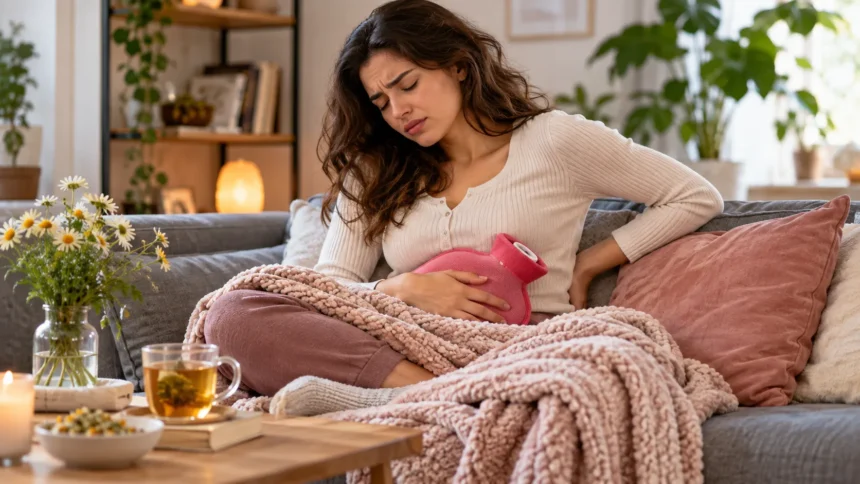
Lower back pain during a period is a common complaint that can range from a mild ache to discomfort strong enough to interfere with sleep, work, exercise, or everyday activities. The pain often appears just before bleeding begins or during the first few days of menstruation. For many people, it occurs alongside abdominal cramps, fatigue, bloating, headaches, or pelvic pressure.
Period-related back pain is often connected to normal changes happening within the uterus, but persistent or unusually severe symptoms can sometimes point to another condition. Understanding why the lower back hurts during menstruation can help you choose safe relief strategies. Gentle movement, heat, rest, and appropriate pain management may help, while certain warning signs should be evaluated by a healthcare professional.
Why Does Lower Back Pain Happen During a Period?
During menstruation, the uterus contracts to help shed its lining. These contractions are influenced by hormone-like substances called prostaglandins, which can also increase inflammation and sensitivity to pain. When contractions become stronger, discomfort may be felt not only in the lower abdomen but also across the lower back, hips, or upper thighs.
The nerves that serve the uterus and nearby pelvic structures share pathways with areas of the lower back. Because of this connection, pain originating in the pelvis can sometimes be perceived in the back. This is known as referred pain, and it helps explain why menstrual cramps may feel as though they extend beyond the abdomen.
Hormonal changes around menstruation may also affect muscles, energy levels, sleep quality, and pain sensitivity. If your back muscles are already tired from prolonged sitting, lifting, or exercise, period-related discomfort may feel more noticeable. The combination of uterine contractions and existing muscle tension can make the lower back feel sore, heavy, or achy.
What Does Period-Related Back Pain Feel Like?
Menstrual back pain is commonly described as a dull, deep, or aching sensation across the lower part of the back. Some people experience constant discomfort, while others notice waves of pain that rise and fall with abdominal cramps. The sensation may also extend toward the hips, buttocks, or upper legs during stronger menstrual contractions.
The timing can provide useful clues. Typical menstrual back pain often starts shortly before the period or during the first day of bleeding and gradually becomes less intense. It may return during several menstrual cycles with a similar pattern, although stress, sleep, physical activity, and hormonal changes can influence how strongly the pain is felt.
Sharp, one-sided, or suddenly severe pain is less typical of ordinary menstrual discomfort. Pain accompanied by very heavy bleeding, fainting, fever, painful urination, or symptoms between periods may need further evaluation. Tracking when the pain happens and what other symptoms occur can help a healthcare professional better understand the pattern.
Common Causes of Lower Back Pain During a Period
Primary dysmenorrhea is one of the most common explanations for menstrual cramps and lower back pain. It refers to period pain that is not caused by another medical condition. Higher prostaglandin activity can produce stronger uterine contractions, leading to abdominal cramps, back discomfort, nausea, headaches, or loose stools during the early days of menstruation.
Muscle tension may also contribute to period-related back discomfort. Changes in activity levels, sleeping positions, prolonged sitting, or simply feeling less active during menstruation can make the lower back feel stiff. People who already experience occasional mechanical back pain may notice that it becomes more noticeable when menstrual cramps and fatigue occur at the same time.
Secondary causes are also possible, particularly when pain is severe, progressively worsening, or begins after years of relatively comfortable periods. Conditions affecting the uterus, ovaries, or surrounding pelvic tissues can sometimes produce back pain during menstruation. This is why a major change in your usual menstrual pattern deserves attention rather than being automatically dismissed as normal cramping.
Can Endometriosis Cause Lower Back Pain During Periods?
Endometriosis can cause significant pelvic and lower back pain around menstruation in some people. It occurs when tissue similar to the uterine lining grows outside the uterus and responds to hormonal changes. Symptoms vary considerably, meaning one person may experience severe pain while another has relatively mild symptoms despite having the condition.
Pain related to endometriosis may feel deeper or more persistent than typical period cramps. It can occur before menstruation begins and continue throughout the period, sometimes extending into the lower back, hips, or legs. Pain during sex, bowel movements, or urination around menstruation may also occur, although symptoms are different for each individual.
Severe period pain should not automatically be assumed to be endometriosis because several conditions can cause similar symptoms. However, pain that repeatedly disrupts work, sleep, school, exercise, or daily functioning should be discussed with a healthcare professional. A medical evaluation can help determine whether further investigation or treatment is appropriate.
Other Conditions That Can Cause Menstrual Back Pain
Adenomyosis is another condition that can cause painful periods and a heavy or aching sensation within the pelvis and lower back. It develops when tissue similar to the uterine lining grows into the muscular wall of the uterus. Some people experience heavier bleeding, pelvic pressure, or increasingly painful menstrual cycles alongside back discomfort.
Uterine fibroids can also contribute to pelvic pressure and lower back pain in certain cases. Fibroids are noncancerous growths that vary greatly in size and location. Depending on their position, they may contribute to heavier or longer periods, pressure within the pelvis, frequent urination, constipation, or an aching sensation through the lower back.
Pelvic inflammatory disease and ovarian conditions may occasionally produce pain that becomes noticeable around menstruation as well. These problems often cause additional symptoms that distinguish them from ordinary cramps. Persistent pelvic pain, fever, unusual discharge, sudden severe pain, or major changes in bleeding patterns should be evaluated rather than managed only with home remedies.
Safe Ways to Relieve Lower Back Pain During Your Period
Heat is one of the simplest methods for managing mild menstrual back discomfort. A heating pad, warm compress, or hot water bottle placed over the lower back or abdomen can help muscles feel more relaxed. Use comfortable warmth rather than excessive heat, and avoid sleeping directly on a very hot heating device that could irritate or burn the skin.
Gentle movement may also help reduce stiffness. Short walks, easy stretching, or light mobility exercises can keep the hips and lower back moving without placing the body under excessive stress. The goal is not to complete an intense workout but to avoid staying in one position for long periods when comfortable activity makes the back feel better.
Rest remains useful when cramps are stronger, but changing positions regularly can help prevent additional stiffness. If you spend more time using a phone while resting, general ergonomic habits may also matter; even issues such as smartphone pinky reflect how repetitive positions can affect comfort. Supporting your back and varying posture can make extended rest more comfortable.
Best Stretches for Period-Related Lower Back Pain
A gentle knee-to-chest stretch may help the lower back and hips feel less tense. Lie on your back, bend one knee, and slowly bring it toward your chest while the other leg remains comfortable. Hold the position without forcing it, then switch sides, stopping if the stretch increases pelvic pain or creates sharp discomfort.
Child’s pose can also provide a comfortable stretch through the back and hips for some people. Begin on your hands and knees, move your hips slowly toward your heels, and reach your arms forward while allowing the torso to relax. Adjust the knee position as needed so the posture feels comfortable rather than compressed or painful.
Gentle pelvic tilts offer another option because they introduce movement without requiring a deep stretch. Lie on your back with your knees bent, then slowly flatten and release the lower back against the floor. Keep the motion small and controlled, breathing naturally throughout each repetition rather than forcefully pressing the spine into the ground.
Can Exercise Help Period Back Pain?
Light to moderate exercise may help some people feel better during menstruation by promoting circulation, maintaining mobility, and reducing stiffness. Walking, gentle cycling, swimming, yoga, or light strength training can all be reasonable options when symptoms allow. The best activity is usually one that feels comfortable and does not noticeably worsen cramping or bleeding-related fatigue.
You do not need to exercise intensely to gain potential benefits. A ten-minute walk or short mobility routine may feel more manageable than trying to complete your normal workout on a difficult day. Adjusting intensity based on energy levels and symptoms can help you stay active without turning exercise into another source of physical stress.
If movement significantly increases pain, dizziness, weakness, or nausea, it is reasonable to rest and reconsider the activity. Persistent exercise intolerance during every menstrual cycle may also deserve medical discussion. Physical activity should support comfort and function rather than becoming something you feel required to push through despite severe symptoms.
Pain Relief Medicines for Menstrual Back Pain
Over-the-counter pain medicines are commonly used for menstrual cramps and related back discomfort. Nonsteroidal anti-inflammatory drugs can reduce the production of prostaglandins involved in menstrual pain, making them useful for some people. However, medication choice depends on your medical history, allergies, stomach health, kidney function, other medicines, and individual circumstances.
Following package directions is important, and taking more than the recommended amount does not make treatment safer or more effective. Some pain medicines should be taken with food, while others may not be appropriate for people with certain medical conditions. A pharmacist or healthcare professional can provide guidance when you are uncertain about what is safe.
If you need frequent or high amounts of pain medication every month just to function normally, consider discussing the pattern with a healthcare professional. Medication can relieve symptoms, but recurring severe pain may require investigation. Understanding the underlying reason is particularly important when symptoms become stronger over time or stop responding to treatments that previously worked.
Lifestyle Habits That May Make Period Back Pain Easier
Sleep can influence how strongly pain is perceived, making adequate rest especially valuable around menstruation. Try to maintain a comfortable sleeping position that supports the lower back and hips. Side sleeping with a pillow between the knees or lying on your back with support underneath the knees may reduce strain for some people.
Staying hydrated and eating regularly can also support general comfort during menstruation. Skipping meals or becoming dehydrated can contribute to fatigue, headaches, and feelings of weakness that make an uncomfortable period more difficult. A balanced diet with enough protein, carbohydrates, healthy fats, fruits, and vegetables supports overall health rather than acting as a quick cure for cramps.
Stress management may be helpful because emotional tension can increase muscle tightness and make pain feel harder to tolerate. Gentle breathing, walking, relaxation exercises, or taking breaks from demanding activities may help. No lifestyle strategy should be presented as a guaranteed solution, but combining several manageable habits can make period days more comfortable.
How Long Should Lower Back Pain During a Period Last?
For many people, menstrual back pain is strongest around the first or second day of bleeding and improves as the period progresses. Mild discomfort may begin a day before bleeding and continue for several days. A relatively consistent pattern from one cycle to another is more typical of ordinary menstrual cramping than pain that changes dramatically without explanation.
Pain that continues well beyond the period may have another contributing cause. Mechanical back pain, muscle strain, urinary problems, pelvic conditions, or other health issues can overlap with menstruation. Keeping a symptom diary for several cycles may help identify whether the pain reliably follows menstrual timing or occurs independently throughout the month.
A change from mild cramps to increasingly severe pain should also be taken seriously. You do not need to wait until pain becomes unbearable before seeking medical advice. Earlier evaluation can be especially useful when menstrual symptoms begin affecting work, sleep, exercise, relationships, or your ability to complete ordinary daily activities.
When Should You See a Doctor?
Consider medical evaluation if period-related back pain becomes severe, repeatedly interrupts daily life, or does not improve with reasonable self-care. Pain that progressively becomes stronger over several menstrual cycles may indicate something beyond primary menstrual cramps. A clinician can review your symptoms, menstrual history, medications, and other health factors to determine what evaluation may be helpful.
Seek care promptly if the pain is accompanied by fever, fainting, unusual vaginal discharge, severe weakness, or unexpectedly heavy bleeding. Sudden intense pelvic or abdominal pain also needs attention, particularly if it feels very different from your usual menstrual symptoms. These warning signs should not be managed solely with heat, stretching, or pain medication at home.
Back pain associated with loss of bladder or bowel control, major leg weakness, or numbness around the groin requires urgent medical attention regardless of whether you are menstruating. Menstruation can occur at the same time as unrelated medical problems. Avoid assuming every symptom happening during a period is automatically caused by the menstrual cycle.
Conclusion
Lower back pain during a period is often related to uterine contractions, prostaglandin activity, referred pelvic pain, and temporary changes in muscle tension. For many people, the discomfort is strongest during the first few days of menstruation and improves gradually. Heat, gentle activity, comfortable stretching, rest, and appropriate pain relief can help manage mild symptoms.
The pattern of pain matters as much as its intensity. Symptoms that occur predictably with menstruation and respond to simple measures may be manageable at home, while severe, worsening, or persistent pain deserves further assessment. Conditions such as endometriosis, adenomyosis, fibroids, or other pelvic problems can sometimes contribute to significant menstrual discomfort.
Pay attention to changes in your normal cycle and how much symptoms interfere with everyday life. You do not have to ignore severe menstrual pain simply because it occurs regularly. Understanding your symptoms and seeking medical care when necessary can help you find safer, more appropriate ways to manage lower back pain during periods.
FAQs
Is lower back pain normal during a period?
Mild to moderate lower back aching can occur during menstruation because uterine contractions and pelvic pain may be felt in the back. Severe, worsening, or disabling pain should be discussed with a healthcare professional.
Why does my lower back hurt before my period?
Hormonal changes and increasing prostaglandin activity can begin before menstrual bleeding starts. These changes may trigger uterine contractions, pelvic pressure, and referred pain that feels like aching or tightness in the lower back.
Does heat help lower back pain during periods?
Yes, gentle heat may help relax muscles and make menstrual cramps and lower back discomfort easier to tolerate. Use a warm heating pad or compress safely and avoid temperatures hot enough to damage the skin.
Can endometriosis cause severe lower back pain during periods?
Endometriosis can cause significant pelvic and lower back pain around menstruation in some people. However, symptoms overlap with other conditions, so persistent or severe pain should be evaluated rather than self-diagnosed.
When is period back pain a warning sign?
Seek medical advice for severe or worsening pain, very heavy bleeding, fever, fainting, unusual discharge, or pain between periods. Sudden intense symptoms or neurological changes may require urgent medical assessment.