


Nasal Vestibulitis: Why the Inside of Your Nose Hurts and How It Is Treated
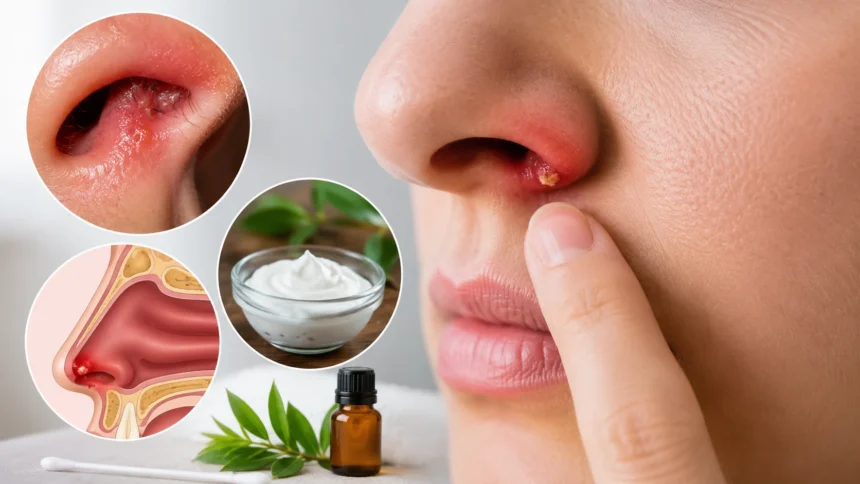
A painful sore, crust, or pimple just inside the nostril can be surprisingly uncomfortable. One possible cause is nasal vestibulitis, an infection or inflammation affecting the nasal vestibule—the skin-covered area immediately inside the opening of the nose. Because this region contains hairs and hair follicles, irritation and bacteria can sometimes cause redness, tenderness, crusting, or small infected bumps. The problem is usually manageable, but it should not be repeatedly picked, squeezed, or ignored when symptoms are getting worse.
Nasal vestibulitis often develops after the delicate skin inside the nose has been damaged. Frequent nose blowing during a cold, nose picking, plucking nasal hairs, scratching, or constant wiping can create tiny breaks that allow bacteria to enter. Staphylococcus aureus is commonly associated with these infections. Someone may first notice soreness when touching the side of the nose before seeing a crusted area or small painful bump just inside the nostril.
Most cases remain localized and improve with appropriate treatment. Depending on severity, a healthcare professional may recommend a topical antibiotic ointment, oral antibiotics, or additional treatment when a boil or deeper infection has developed. Gentle care is important because repeatedly disturbing the area can delay healing. Trying to drain an infected bump yourself is especially unwise because the skin around the nose contains blood vessels that communicate with deeper facial structures.
The term nasal vestibulitis is sometimes confused with several other conditions. A dry cracked nostril, ingrown nasal hair, cold sore, nasal folliculitis, impetigo, or simple irritation can produce similar symptoms. A painful lump deeper in the nostril may also represent a furuncle, or boil, involving a hair follicle. Correct diagnosis matters because treatment depends on whether the problem is primarily infection, irritation, viral disease, or another skin condition.
This guide explains the common symptoms of nasal vestibulitis, why it happens, how doctors typically treat it, and what you can do while the area heals. It also covers complications and warning signs that deserve prompt medical attention. Most importantly, nasal pain should be approached gently. The inside of the nose heals best when you stop repeatedly touching the area and address the reason the skin became irritated in the first place.
What Is Nasal Vestibulitis?
Nasal vestibulitis is inflammation or infection of the nasal vestibule, which is the entrance area immediately inside each nostril. Unlike the deeper nasal cavity, this region is lined partly with skin and contains coarse hairs known as vibrissae. Those hairs help trap larger particles before they travel farther into the respiratory system. Because the area resembles ordinary skin more than deeper nasal tissue, it can develop follicle infections, crusting, and other problems similar to skin elsewhere on the body.
A common form of nasal vestibulitis involves superficial bacterial infection around irritated skin. Small cracks caused by dryness, friction, or repeated manipulation allow bacteria already present on the skin or inside the nose to enter damaged tissue. The result may be localized redness, soreness, crusting, or a small pustule. Some cases involve one hair follicle, while others affect a broader area around the nostril opening.
The condition can range from mild irritation to a more significant infection. Mild cases may cause only tenderness and yellowish crust around one small area. More severe infections can produce swelling, significant pain, a boil, or inflammation extending toward the tip or outside of the nose. This variation is important because treatments that are sufficient for a tiny superficial infection may not be enough when surrounding tissue is becoming increasingly inflamed.
Nasal vestibulitis is generally different from sinusitis. Sinus infections involve air-filled spaces located deeper around the nose and face and commonly cause symptoms such as facial pressure, nasal congestion, and drainage. Nasal vestibulitis affects the entrance of the nostril and is much more likely to produce localized pain when you touch or move the nose. Someone can technically have both conditions at once, but they involve different anatomical areas.
It is also different from ordinary nasal dryness, although dryness can contribute to it. Dry air can create cracks and crusts that feel sore without necessarily being infected. Once broken skin becomes colonized by bacteria, however, redness, tenderness, swelling, or pus may develop. If symptoms are persistent or increasingly painful, it is safer to have the area assessed rather than assuming every sore inside the nose is simply dry skin.
Common Nasal Vestibulitis Symptoms
Pain or tenderness just inside the nostril is one of the most common symptoms. You may notice discomfort when pressing the side or tip of your nose, wiping your face, blowing your nose, or moving the nostril. The pain is often focused around one small area rather than producing the deeper pressure associated with sinus problems. In early cases, tenderness may appear before you can clearly see what is causing it.
Crusting is another common sign. The affected area may develop yellow, golden, or dry crust around irritated skin or a small sore. Minor bleeding can occur when the crust is repeatedly removed, especially if the skin underneath has not fully healed. Picking at the crust often creates a cycle in which the wound reopens, forms another crust, and remains inflamed. Allowing the tissue to heal undisturbed is important.
Redness and swelling may develop around the infected area. Depending on severity, the redness may remain inside the nostril or become visible around the nasal opening. A small portion of the nose may feel warm or appear slightly swollen. When redness begins spreading across the tip or surrounding facial skin, the problem deserves more careful medical evaluation because the infection may no longer be limited to the superficial vestibule.
Small pimples, pustules, or painful lumps can also appear around nasal hair follicles. These may be associated with nasal folliculitis or a deeper boil. A boil usually feels more painful and firm and can contain pus. Because squeezing or puncturing an infected nasal lesion can push bacteria into surrounding tissue, these bumps should not be treated like ordinary facial pimples.
Some people also experience itching, burning, or a persistent raw feeling. These sensations can be particularly noticeable when dry air, allergies, or repeated nose blowing are contributing to the irritation. Nasal vestibulitis usually does not produce severe systemic illness when it remains localized. Fever, rapidly increasing swelling, spreading redness, or significant facial pain suggests a more substantial infection and should prompt medical attention.
What Causes Nasal Vestibulitis?
Bacterial infection is the main cause of many cases of nasal vestibulitis. Staphylococcus aureus commonly lives on human skin and may also be present inside the nose without causing problems. When the skin barrier is damaged, these bacteria can enter small cuts and produce inflammation or infection. This means the bacteria do not necessarily need to come from an outside contaminated object; normal colonizing organisms can become problematic when skin is injured.
Nose picking is a frequent trigger because fingernails can create microscopic cuts inside the nostril. The habit may also transfer additional bacteria from the hands to irritated skin. Even relatively gentle picking can prevent an existing crack or sore from closing properly. Repeated contact keeps restarting the healing process, which is why a tiny sore can linger much longer than expected when it is constantly disturbed.
Plucking nasal hairs can create another entry point for infection. Pulling a hair out from the root leaves an irritated follicle behind and may contribute to folliculitis or a boil. Trimming visible nasal hairs with a clean, appropriate trimmer is generally less traumatic than plucking them. Waxing deep inside the nostril can also damage follicles and sensitive tissue, particularly when done aggressively.
Frequent nose blowing or wiping during a respiratory infection, allergies, or chronic runny nose can irritate the nasal vestibule as well. Tissues repeatedly rubbing against the same area may remove surface oils and create cracking. People with allergies may additionally rub or scratch their noses because of itching. Once the skin is damaged, bacteria have a greater opportunity to cause infection.
Dry air and certain medical treatments can also contribute indirectly by making nasal tissue more fragile. Oxygen therapy through nasal cannulas, some inhaled treatments, and constant exposure to very dry environments may increase cracking around the nostrils. Nasal vestibulitis can also occur more frequently in people whose immune defenses or skin healing are impaired. Persistent or recurrent infections therefore deserve medical review rather than endless self-treatment.
Nasal Vestibulitis vs Nasal Folliculitis and Nasal Furuncle
Nasal vestibulitis is a broad term describing inflammation or infection around the entrance of the nose. Nasal folliculitis refers more specifically to inflammation involving an individual hair follicle. The two can overlap because the nasal vestibule contains multiple hairs and follicles. A person with vestibulitis may therefore have several irritated follicles as part of the same condition.
Folliculitis often appears as a small red or pus-filled bump around the base of a nasal hair. It may resemble a tiny pimple and become tender when touched. Mild folliculitis can remain superficial, but infection can sometimes extend deeper into the follicle. That progression may result in a furuncle, commonly called a boil.
A nasal furuncle is typically more painful and deeper than superficial folliculitis. The area may become firm, swollen, and extremely tender, sometimes with visible pus. The surrounding tip or side of the nose may also become red. Because deeper infections have a greater chance of spreading, a painful boil inside the nose deserves professional evaluation rather than squeezing or attempting home drainage.
These distinctions also influence treatment. Mild superficial vestibulitis may respond to topical treatment prescribed by a clinician, while a larger furuncle may require oral antibiotics or other management. If an abscess has formed, a clinician determines whether drainage is necessary and how it should be performed safely. This is not a procedure to attempt with a needle or fingernails at home.
You do not need to identify the exact category yourself before seeking help. If the sore is getting more painful, becoming larger, producing significant pus, or causing visible swelling of the nose, a healthcare professional can determine whether the problem is superficial vestibulitis or a deeper follicular infection. Early assessment can prevent repeated manipulation and unnecessary complications.
Why Nose Picking and Hair Plucking Can Trigger Infection
The skin immediately inside the nose is thin and exposed to constant movement. Every time you breathe, wipe, blow your nose, or touch the nostril, this area experiences some degree of friction. Normally, the skin barrier tolerates these activities well. Problems develop when repeated trauma creates cracks large enough for bacteria to enter and multiply.
Nose picking combines two risk factors at once: mechanical injury and bacterial transfer. Fingernails can scratch the nasal lining while hands introduce microorganisms into the damaged area. If you then keep returning to the same crust or sore, healing becomes difficult. The repeated cycle can turn a small irritation into persistent nasal vestibulitis.
Hair plucking works differently but creates a similar opportunity for bacteria. Removing a hair from the root can traumatize the follicle and leave a tiny opening. Because the nostril naturally carries bacteria, that irritated follicle can become infected. What begins as mild tenderness may develop into a pustule or painful boil over the following days.
People sometimes pluck nasal hairs because they are visible outside the nostril. A safer approach is to trim only the hairs that extend beyond the opening using a clean electric nasal trimmer or rounded grooming scissors designed for that purpose. Avoid cutting deeply or aggressively. Nasal hairs serve a useful filtering function, so complete removal is unnecessary.
If you already have nasal vestibulitis, stop plucking hairs and avoid touching the area until it heals. Even checking the sore repeatedly with a finger can irritate it. Wash your hands before applying any prescribed medication and follow instructions for how much to use. Reducing repeated trauma can be just as important as treating the infection itself.
Can Dry Nose Cause Nasal Vestibulitis?
Dryness does not always mean infection, but it can create conditions that make nasal vestibulitis more likely. When the nasal vestibule becomes excessively dry, the skin may crack and form painful crusts. These small openings weaken the protective barrier and allow bacteria to enter more easily. Dryness therefore acts as a contributing factor even when bacteria are the immediate cause of infection.
Cold weather and low indoor humidity are common reasons for nasal dryness. Heating systems can remove moisture from indoor air, leaving the lips, skin, and nasal passages feeling dry. People may then rub, pick, or peel away crusts because they are uncomfortable. Unfortunately, repeatedly removing crust can create fresh injury and increase infection risk.
Allergies and respiratory infections can produce a similar cycle. Frequent wiping and blowing remove moisture and irritate the skin around the nostrils. Someone may experience a runny nose and dry cracked skin at the same time because constant wiping damages the outer surface. When the cold or allergy symptoms eventually improve, the irritated nostril may remain sore.
A humidifier can sometimes make dry indoor air more comfortable, provided it is cleaned properly to avoid microbial buildup. Saline nasal sprays may also help moisturize the nasal passages without introducing medicated decongestants. However, a painful crusted infection may need more than moisture alone. Saline does not replace antibiotic treatment when bacterial vestibulitis has developed.
Avoid placing random oils, fragranced products, or strong antiseptics inside the nose in an attempt to treat dryness. The nasal lining is sensitive, and some substances can create additional irritation. When dryness repeatedly leads to bleeding, painful crusts, or recurrent infection, discuss appropriate moisturizing strategies with a healthcare professional rather than continually experimenting with home products.
How Is Nasal Vestibulitis Diagnosed?
Nasal vestibulitis is usually diagnosed through a physical examination. A clinician looks inside the nostril and evaluates the location, degree of redness, swelling, crusting, and presence of pustules or boils. Because the condition occurs near the nasal opening, it is often possible to identify without complicated imaging or procedures. Your description of how symptoms began can provide important additional clues.
The clinician may ask whether you have recently had a cold, allergies, frequent nosebleeds, or significant nasal dryness. They may also ask about nose picking, nasal hair plucking, recent procedures, oxygen use, or previous similar infections. These questions help identify what damaged the skin and whether the same trigger is likely to cause recurrence after treatment.
A bacterial culture is not required for every mild case. However, recurrent infection, treatment failure, severe symptoms, or concern about resistant bacteria may lead a clinician to collect a swab. Laboratory testing can help identify the organism and determine which antibiotics are most likely to work when ordinary treatment has not been successful.
Doctors may also consider alternative diagnoses. Herpes simplex can produce painful lesions around the nose, while impetigo can create crusting on nearby skin. Nasal polyps, inflammatory disorders, trauma, dermatitis, and rarely more serious conditions can cause persistent nasal symptoms. A sore that repeatedly returns to exactly the same location or does not heal deserves evaluation rather than repeated assumptions that it is bacterial vestibulitis.
Imaging is generally unnecessary for uncomplicated superficial disease. It becomes more relevant when infection appears to be spreading deeply into facial tissues or when another condition is suspected. Most people therefore receive a diagnosis based on symptoms and examination alone. The earlier an increasingly painful infection is assessed, the easier it often is to determine the appropriate treatment.
Nasal Vestibulitis Treatment
Treatment depends on how extensive the infection is. For mild bacterial nasal vestibulitis, a healthcare professional may prescribe a topical antibiotic ointment applied carefully to the affected area. Mupirocin is one medication commonly used for certain staphylococcal infections in and around the nose. Treatment duration should follow the clinician’s instructions rather than stopping as soon as the area looks slightly better.
Topical antibiotics should not be used indefinitely without guidance. Repeated unnecessary antibiotic use can contribute to resistance and may also cause local irritation in some people. If the infection does not improve as expected, the answer is not necessarily to keep applying more ointment. A clinician may need to reconsider the diagnosis, obtain a culture, or evaluate whether the infection has become deeper.
More significant infections may require oral antibiotics. This is particularly likely when there is a painful furuncle, surrounding cellulitis, or increasing swelling of the nose. The exact medication depends on the clinical situation, local bacterial resistance patterns, allergies, and sometimes culture results. Finish the prescribed course according to instructions unless your healthcare professional tells you otherwise.
Warm compresses may sometimes be recommended for a painful follicular infection. Gentle warmth can improve comfort and may support natural drainage of certain boils, but it should not be followed by squeezing or puncturing. If drainage is medically necessary, it should be performed by a professional because of the sensitive location and risk of spreading infection.
Pain relievers may help with discomfort when they are appropriate for your health history. The most important practical measures remain avoiding manipulation, following prescribed treatment, and watching for signs that the infection is spreading. A small localized sore should gradually become less painful and swollen. Worsening symptoms despite treatment need reassessment.
Can You Treat Nasal Vestibulitis at Home?
Mild irritation inside the nostril can sometimes improve with simple supportive care, especially when there is no obvious pus, spreading redness, or significant swelling. The first step is to stop picking, scratching, and plucking nasal hairs. Removing the source of trauma gives the damaged skin a chance to repair itself. Keeping hands away from the area also reduces bacterial transfer.
Gentle saline may help when dryness is contributing to crusting. Use commercially prepared saline nasal products according to their instructions rather than mixing unsterile homemade solutions. The purpose is to keep the nasal tissue comfortable, not to aggressively flush an infected sore. Avoid repeated forceful rinsing if it increases pain or bleeding.
A warm compress applied to the outside of the nose may provide relief from localized tenderness. Use comfortably warm rather than very hot water and a clean cloth. Do not press aggressively on a painful lump. Warmth should reduce discomfort, not become an attempt to force pus out of the tissue.
Avoid applying hydrogen peroxide, alcohol, concentrated essential oils, or harsh antiseptics inside the nostril. These substances may damage tissue and delay healing. Likewise, do not use leftover prescription antibiotics from a previous illness. The medication may be inappropriate, expired, or insufficient for the infection you currently have.
Home care has limits. Increasing pain, a definite boil, pus, spreading redness, fever, or swelling involving the tip or outside of the nose warrants medical evaluation. If a presumed mild infection is not improving within a few days, getting it examined is safer than continuing to experiment with home remedies. Early treatment can prevent a small infection from becoming more complicated.
Why You Should Not Pop a Pimple or Boil Inside Your Nose
A pimple-like bump inside the nose can create a strong temptation to squeeze it, especially when it feels pressure-filled or tender. However, squeezing can push bacteria deeper into surrounding tissue and increase inflammation. The skin inside the nostril is also difficult to see and control accurately, making accidental injury more likely than when treating an ordinary superficial blemish elsewhere.
The central face, including the nose and area around the mouth, has historically been called the “danger triangle” because veins in this region have connections with deeper venous structures inside the skull. Serious complications are rare, especially with prompt modern treatment, but the anatomy is one reason healthcare professionals discourage manipulating infected nasal lesions.
Squeezing can also turn folliculitis into a larger abscess or cellulitis. Pressure may rupture infected tissue internally rather than allowing material to drain safely outward. This can lead to increasing redness, swelling, and pain. What might have responded to simple topical treatment can then require oral antibiotics or more intensive care.
Using needles is even riskier because it adds another direct injury and can introduce new bacteria. Sterilizing a needle at home does not make self-drainage a safe medical procedure. The depth and direction of an abscess cannot reliably be assessed in a bathroom mirror, particularly inside the nasal vestibule.
If a lump feels increasingly firm, painful, or swollen, leave it alone and seek medical advice. A clinician can decide whether it should be treated medically, observed, or drained under controlled conditions. The safest way to shorten the course of a nasal boil is usually appropriate treatment rather than attempting to empty it yourself.
How Long Does Nasal Vestibulitis Last?
Mild nasal vestibulitis often begins improving within several days once the source of irritation has stopped and appropriate treatment has started. Pain and tenderness may decrease before all crusting disappears. The skin still needs time to rebuild its barrier, so continuing gentle care after symptoms start improving can reduce the chance of reopening the area.
More significant infections can take longer, especially when a furuncle or surrounding cellulitis is present. Treatment may continue for a week or longer depending on severity and the medication prescribed. Follow the entire treatment plan rather than stopping antibiotics early simply because pain has improved. Incomplete treatment can sometimes allow infection to return.
Healing may also be slower when the nostril continues to experience trauma. Persistent nose picking, repeated blowing, hair plucking, or rubbing can reopen tissue and prevent complete recovery. Someone may then assume the antibiotic is failing when the underlying mechanical irritation is still happening every day. Removing the trigger is an essential part of treatment.
Recurrent nasal vestibulitis is different from one infection that simply takes time to heal. If painful crusts or boils keep returning, a healthcare professional may consider bacterial colonization, chronic irritation, underlying skin disease, or factors affecting immune function and wound healing. A culture may sometimes help guide management.
A sore that does not heal after appropriate treatment needs another look. Persistent nasal lesions should not be self-diagnosed indefinitely because several other conditions can mimic infection. Returning for reassessment is particularly important if there is recurrent bleeding, a growing lesion, significant obstruction, or pain that does not match the expected course of ordinary vestibulitis.
Can Nasal Vestibulitis Become Serious?
Most cases remain minor and respond well to treatment. However, bacterial infections can occasionally spread from the nasal vestibule into surrounding skin and soft tissue. This may cause cellulitis, which produces increasing redness, warmth, swelling, and tenderness. When the infection is expanding rather than becoming more localized, medical treatment becomes more urgent.
A furuncle can also develop into a localized abscess. The buildup of infection may produce considerable pressure and pain around the nostril. The nose may become visibly swollen or red from the outside. Oral antibiotics and professional drainage may sometimes be required depending on the clinical findings.
More serious spread into deeper facial veins is rare but is one reason nasal infections should not be aggressively manipulated. Symptoms such as severe headache, swelling around the eyes, vision changes, marked facial swelling, confusion, or rapidly worsening illness require urgent medical assessment. These are not expected features of simple nasal vestibulitis.
People with weakened immune systems may also face a greater risk of complications from infections that would otherwise remain minor. Diabetes, certain cancer treatments, immune-suppressing medications, and other conditions can affect how effectively the body controls bacterial infection. These individuals should have a lower threshold for contacting a healthcare professional when nasal infection develops.
The important point is not to become frightened by every sore inside the nose. Serious complications are uncommon. Instead, watch the direction in which symptoms are moving. A small infection that is gradually less painful is reassuring; one that is rapidly enlarging, spreading, or producing systemic symptoms requires prompt evaluation.
How to Prevent Nasal Vestibulitis From Coming Back
The most effective preventive step is to stop repeatedly injuring the nasal vestibule. Avoid picking at crusts, scratching inside the nose, or squeezing small bumps. If you catch yourself touching the area because it feels dry or itchy, address that underlying discomfort rather than continually removing the crust. Healing skin needs time without repeated trauma.
Trim nasal hairs rather than plucking them. Use a clean grooming tool designed for nasal hair and remove only hairs that extend visibly outside the nostril. There is no health benefit to removing every internal hair, and aggressive grooming increases follicular irritation. Clean the device according to its instructions after use.
Manage nasal dryness proactively when it is a recurring problem. Saline sprays and appropriately maintained indoor humidity may help keep nasal tissue comfortable. If you use supplemental oxygen or another treatment that continually dries the nose, ask your healthcare team about suitable moisturizing strategies. Do not repeatedly apply petroleum-based or medicated products inside the nose without knowing whether they are appropriate for your particular situation.
Treat allergies or chronic runny nose appropriately as well. Repeated nose blowing and wiping can damage the skin even when you never pick your nose. Using soft tissues and gently patting rather than rubbing can reduce friction. Controlling the underlying allergy can also reduce the number of times the nose needs to be wiped throughout the day.
Finally, wash your hands before touching your face or applying prescribed nasal medication. If infections repeatedly return, do not keep cycling through leftover antibiotic creams. Recurrent staphylococcal infections sometimes require a more specific medical plan. Identifying why the problem keeps returning is more effective than repeatedly treating each new sore in isolation.
When Should You See a Doctor?
Consider seeing a healthcare professional when a nasal sore becomes increasingly painful rather than gradually improving. Significant tenderness, swelling, pus, or a deep lump can indicate a furuncle or infection that may require prescription treatment. Early evaluation is especially helpful when you are unsure whether the lesion is bacterial, viral, or simply irritated skin.
Spreading redness is another warning sign. If inflammation extends from inside the nostril onto the tip, side, or surrounding area of the nose, cellulitis may be developing. Visible swelling of the face or rapidly increasing warmth should not be treated only with home remedies. Antibiotic treatment may be necessary.
Fever or feeling generally unwell alongside a worsening nasal infection deserves medical attention. Localized vestibulitis usually does not produce significant systemic illness. Fever, chills, weakness, or rapidly increasing pain can suggest the infection has become more extensive. People with weakened immune systems should seek advice even sooner.
Urgent evaluation is appropriate for severe headache, swelling around the eyes, vision problems, confusion, or rapidly progressing facial swelling. These symptoms are uncommon but can indicate deeper complications. Do not wait for an ordinary appointment if symptoms suggest the infection is spreading beyond the superficial nasal skin.
You should also seek evaluation for repeated episodes or any sore that simply will not heal. Chronic crusting and bleeding deserve a proper diagnosis rather than repeated use of antibiotic ointment. Most persistent problems still have manageable explanations, but a clinician should examine anything that continually returns or behaves differently from a typical short-lived infection.
Conclusion: Nasal Vestibulitis Usually Improves With the Right Care
Nasal vestibulitis is an infection or inflammation affecting the skin immediately inside the nostril. It often causes tenderness, crusting, redness, small sores, or pimple-like bumps around nasal hair follicles. The condition is commonly associated with bacteria that take advantage of damaged skin rather than with an infection that appears for no reason.
Small habits can play a major role in how the infection starts. Nose picking, nasal hair plucking, frequent nose blowing, scratching, and persistent dryness can all damage the protective barrier. Preventing these tiny injuries makes it harder for bacteria to enter and also helps an existing sore heal more effectively.
Treatment depends on severity. Mild bacterial infections may be treated with a prescribed topical antibiotic, while deeper boils or spreading infections may require oral antibiotics or additional care. Warm compresses and gentle moisture can support comfort in selected cases, but they should not replace medical treatment when symptoms are worsening.
Avoid squeezing, puncturing, or repeatedly picking at an infected bump inside the nose. Manipulation can deepen the infection and delay healing. Instead, follow prescribed treatment, reduce irritation, and monitor whether pain and swelling are moving in the right direction. A typical localized infection should become progressively calmer rather than increasingly inflamed.
Most people recover without serious problems, but spreading redness, fever, facial swelling, severe pain, eye symptoms, or repeated infections need medical attention. If you are unsure whether a sore is nasal vestibulitis, getting it examined is often simpler than trying multiple home remedies. Treating the cause while protecting the delicate nasal skin gives the area the best chance to heal completely.
Frequently Asked Questions
Is nasal vestibulitis contagious?
Nasal vestibulitis itself is not usually considered highly contagious, but bacteria such as Staphylococcus can spread through direct contact. Good hand hygiene and avoiding shared contaminated personal items are sensible precautions.
What does nasal vestibulitis look like?
It may appear as redness, crusting, a small sore, pustule, or painful bump just inside the nostril. Some infections also cause swelling or tenderness around the nasal opening.
Can nasal vestibulitis go away on its own?
Very mild irritation may improve after the trigger stops, but bacterial infection may require prescription treatment. Increasing pain, swelling, pus, or spreading redness should be medically evaluated.
What antibiotic is used for nasal vestibulitis?
Clinicians commonly use topical antibiotics such as mupirocin for certain mild bacterial infections, while more extensive cases may require oral antibiotics. The correct treatment depends on severity and individual circumstances.
How long does nasal vestibulitis take to heal?
Mild cases often begin improving within several days of appropriate care, while deeper infections may take longer. Persistent, worsening, or recurrent symptoms should be reassessed by a healthcare professional.