


Foods to Avoid With Diverticulitis: What Not to Eat
Diverticulitis can make eating feel confusing because the foods that are normally considered healthy are not always comfortable during an active flare. Diverticulitis occurs when small pouches in the wall of the colon, called diverticula, become inflamed and sometimes infected. Symptoms may include lower abdominal pain, bloating, nausea, constipation, diarrhea, fever, or changes in bowel habits. During an acute episode, the digestive system may benefit from simpler foods that create less bulk and require less intestinal work. That often means temporarily reducing certain high-fiber, fatty, heavily seasoned, or difficult-to-digest foods. The exact diet depends on symptom severity and guidance from a healthcare professional.
One important point is that a diverticulitis diet changes depending on whether you are experiencing an active flare or trying to prevent future problems. During a flare, some people tolerate liquids or low-fiber foods better until pain and inflammation improve. After recovery, gradually returning to a fiber-rich diet is often more appropriate than permanently avoiding fiber. Foods such as nuts, seeds, corn, and popcorn were once routinely discouraged, but they are not generally considered foods that every person with diverticular disease must avoid long term. Restricting too many foods unnecessarily can reduce diet quality and nutrient intake. The goal should be temporary symptom management followed by a balanced long-term eating pattern.
Knowing what not to eat with diverticulitis can make recovery easier, but individual tolerance matters considerably. A food that causes discomfort for one person may not create problems for another. Keeping track of symptoms can help identify personal triggers without creating an overly restrictive diet. Severe abdominal pain, persistent fever, vomiting, inability to keep liquids down, or worsening symptoms should not be managed through diet alone. Those symptoms may require medical evaluation because diverticulitis can occasionally lead to complications. This guide explains foods to limit during a flare, what to eat instead, and how to return gradually to a normal diet.
Understanding Diverticulitis and Diet
Diverticulosis and diverticulitis are related conditions, but they are not the same thing. Diverticulosis means small pouches have formed in the wall of the colon, and many people have these pouches without experiencing symptoms. Diverticulitis develops when one or more of those pouches become inflamed. During inflammation, the digestive tract may become more sensitive to large amounts of food residue and intestinal pressure. This is why temporary dietary changes are sometimes recommended during an acute episode. Once inflammation settles, nutritional needs usually change again, making long-term restriction unnecessary for most people.
During a mild diverticulitis flare, some people may be advised to start with clear liquids or very simple foods for a short period. Examples might include water, broth, gelatin, clear beverages, or other liquids that are easier to tolerate. However, not everyone with uncomplicated diverticulitis needs to remain on clear liquids, especially if they can comfortably eat. Some people may move directly to a low-fiber diet based on symptoms and medical advice. The purpose of temporary restriction is comfort rather than starving the digestive system. Prolonged liquid diets should not be continued without professional guidance because they provide limited nutrition.
A low-fiber or low-residue approach may be used temporarily because it reduces the amount of undigested material moving through the colon. Foods such as white bread, white rice, refined cereals, eggs, tender proteins, and certain cooked fruits or vegetables may be easier to tolerate. This approach differs from the diet generally recommended after recovery. Fiber becomes important again because it supports regular bowel movements and overall digestive health. That means high-fiber foods are not automatically harmful for everyone with diverticulitis. Timing is the critical factor when deciding whether a food should be limited or encouraged.
Food choices also cannot replace appropriate medical treatment when diverticulitis is severe or complicated. Some people may require medication, imaging, hospitalization, or additional treatment depending on their symptoms. Diet primarily supports comfort and hydration while the digestive system recovers. People with diabetes, kidney disease, pregnancy, food allergies, or other medical conditions may need more individualized dietary planning. Anyone who repeatedly experiences diverticulitis should discuss long-term management with a healthcare professional. Personalized advice can prevent unnecessary restrictions while ensuring nutritional needs are still being met.
The most practical way to think about a diverticulitis diet is to separate it into stages. During significant symptoms, easily tolerated foods may be preferred while irritating or bulky foods are temporarily reduced. As pain and digestive symptoms improve, low-fiber solid foods can usually be expanded. Fiber-containing foods can then be reintroduced gradually after recovery. Long-term eating should focus on overall digestive health rather than permanently avoiding a long list of foods. Understanding these stages prevents confusion about why some foods may be limited today but encouraged later.
Foods to Avoid During an Acute Diverticulitis Flare
Large portions of high-fiber foods may be uncomfortable during an active diverticulitis flare because they increase stool bulk. Foods such as bran cereal, beans, lentils, whole grains, raw vegetables, and large salads may create additional gas or fullness when the colon is already sensitive. These foods are nutritious under normal circumstances, so they do not need to be permanently removed from your diet. The restriction is generally temporary and based on how your symptoms respond. Some people tolerate small amounts sooner than others. If abdominal discomfort increases after introducing fiber, returning briefly to simpler foods may be more comfortable.
Raw vegetables can be particularly difficult for some people during a flare because they require more digestive processing than well-cooked vegetables. Broccoli, cauliflower, cabbage, raw carrots, celery, and large leafy salads may increase bloating or gas. Vegetable skins and fibrous stems may also add extra roughage. Cooking vegetables until very soft can make them easier to tolerate later in recovery. Peeling vegetables can further reduce fiber content when necessary. Once symptoms have resolved, raw vegetables can usually be reintroduced gradually rather than avoided indefinitely.
Whole fruits may also need temporary adjustment, especially when they contain skins, seeds, or large amounts of insoluble fiber. Apples with skin, pears, berries, dried fruits, and certain tropical fruits can increase stool volume. During early recovery, canned or cooked fruits without skins may feel easier to digest. Bananas, applesauce, or soft peeled fruits may also be tolerated depending on the individual. Fruit juice without pulp sometimes fits into a temporary lower-fiber plan, although it should not replace whole fruit long term. As symptoms improve, gradually returning to whole fruit helps restore fiber and nutrient variety.
Beans, chickpeas, peas, and lentils are excellent sources of fiber and plant protein, but they can produce significant gas during digestion. During a painful flare, this extra gas may increase pressure or abdominal discomfort. For that reason, legumes are often among the foods temporarily limited until symptoms settle. This does not mean beans cause diverticulitis or should be permanently avoided. After recovery, many people can eat them without problems and may benefit from their fiber content. Reintroducing small portions gradually can help determine personal tolerance while reducing the chance of sudden bloating.
Large meals can also worsen discomfort even when the individual foods are relatively mild. Eating a heavy plate places more volume into the digestive system at one time and may increase fullness or cramping. Smaller meals spaced throughout the day can be easier to tolerate during recovery. Eating slowly and chewing food thoroughly may also reduce digestive strain. Hydration remains important because illness, reduced food intake, or diarrhea can contribute to dehydration. The goal during an acute flare is not simply avoiding individual foods but reducing unnecessary digestive workload overall.
High-Fiber Foods to Limit During a Flare
Whole grains are usually healthy, but they may need to be reduced temporarily during active diverticulitis symptoms. Brown rice, quinoa, barley, bran, whole-grain bread, and high-fiber cereals contain more residue than refined alternatives. That additional fiber increases stool bulk as it passes through the digestive tract. During a flare, white rice, refined pasta, white bread, or lower-fiber cereals may be more comfortable for some people. The switch should generally be temporary rather than a permanent dietary habit. Whole grains can gradually return once abdominal pain and digestive symptoms have improved.
Bran products are particularly concentrated sources of insoluble fiber and may be difficult to tolerate while the colon is inflamed. Bran cereals, bran muffins, wheat bran supplements, and foods marketed specifically as extremely high fiber may increase stool volume quickly. Sudden increases in fiber can also produce gas and bloating even in people without diverticulitis. During recovery, fiber should generally be reintroduced slowly rather than in large amounts overnight. Increasing fluids as fiber rises can also support more comfortable bowel movements. A gradual approach gives the digestive system time to adjust.
Vegetables with tough skins, stalks, or fibrous textures may create more digestive residue than soft, well-cooked options. Corn, peas, Brussels sprouts, kale, raw spinach, green beans, and cruciferous vegetables can sometimes increase gas or discomfort during a flare. The response varies, so there is no single vegetable that every person must avoid. Cooking, peeling, pureeing, or removing seeds may make some vegetables easier to tolerate. Vegetable intake can then become more varied as symptoms improve. Long-term avoidance is usually unnecessary unless a particular food consistently causes problems.
Dried fruits are another concentrated source of fiber and natural sugars that may be poorly tolerated during an acute episode. Raisins, prunes, dried apricots, dates, and dried figs can contain much more fiber per serving than fresh fruit. Some also have a natural laxative effect, which may be undesirable if diarrhea or intestinal urgency is already present. Small amounts may become acceptable later in recovery, depending on symptoms. During the early phase, softer low-fiber fruit choices may be more comfortable. Once normal digestion returns, dried fruit can be reintroduced gradually if desired.
Fiber supplements should also be approached carefully during active inflammation unless specifically recommended by a healthcare professional. Products containing psyllium, wheat dextrin, methylcellulose, or other fibers are often useful for long-term bowel regularity. However, introducing concentrated fiber during a painful flare may increase bloating or stool bulk. People who routinely take fiber supplements should ask whether they need temporary adjustment during an acute episode. Once the flare has resolved, supplements may again be helpful for some individuals. Their long-term use should be based on overall diet, bowel habits, and professional advice.
Fatty, Fried, Spicy, and Processed Foods
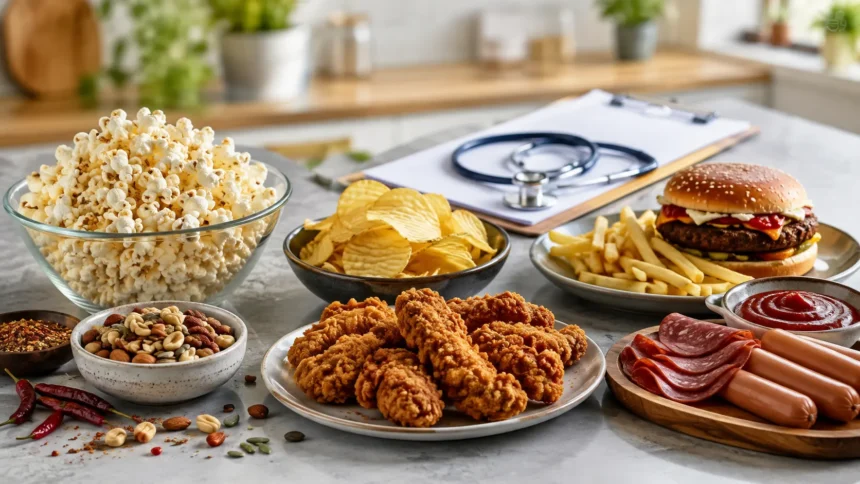
Fried foods can be difficult to digest and may worsen nausea, fullness, or diarrhea during diverticulitis recovery. French fries, fried chicken, doughnuts, deep-fried snacks, and heavily battered foods contain large amounts of fat. High-fat meals tend to remain in the stomach longer than lighter meals and may feel particularly uncomfortable when appetite is reduced. They can also trigger loose stools in some people. Choosing baked, grilled, poached, or steamed foods may be easier during recovery. Once symptoms have settled, occasional fried foods may be tolerated, but moderation is still helpful for overall digestive health.
Very fatty meats can create similar problems because they provide more fat than leaner protein sources. Bacon, sausage, fatty cuts of beef, processed deli meats, and heavily marbled meats may feel heavy during an active flare. Lean poultry, fish, eggs, tofu, or tender lower-fat proteins may be more comfortable when solid foods are being reintroduced. Portion size also matters because even lean foods can become difficult to tolerate in very large servings. Eating moderate portions reduces digestive load. Long-term diets should focus more on balanced protein choices than on eliminating entire food groups.
Highly processed foods are not automatically forbidden, but they can be less useful during diverticulitis recovery when nutrition and hydration matter. Fast food, packaged snacks, processed meats, and convenience meals may contain large amounts of fat, sodium, or additives while providing limited nutritional variety. Some processed foods are low in fiber and may actually be easy to digest temporarily, but that does not make them ideal long-term choices. The better goal is selecting simple foods that provide protein, carbohydrates, fluids, and essential nutrients. Processing level should therefore be considered alongside individual tolerance. A short-term recovery diet and a long-term healthy diet are not identical.
Spicy foods do not cause diverticulitis, but strong spices can aggravate gastrointestinal symptoms in sensitive individuals. Hot peppers, chili sauces, spicy curries, and heavily seasoned meals may contribute to heartburn, abdominal discomfort, or diarrhea. If spicy food normally causes digestive symptoms for you, it may be wise to avoid it temporarily during recovery. Mild herbs and gentle seasonings can add flavor without producing the same intensity. Once symptoms disappear, spices can usually be tested gradually. Personal response matters more than following a universal rule that everyone with diverticulitis must avoid spicy food forever.
Rich sauces and creamy meals can combine several digestive challenges at once. Heavy cream sauces, cheesy casseroles, buttery dishes, and large restaurant meals may contain significant amounts of fat and sodium. These meals may leave some people feeling bloated or nauseated during an acute flare. Simpler preparations allow you to identify which foods are actually being tolerated. A plain baked protein with white rice, for example, is easier to evaluate than a complex dish containing multiple sauces and spices. Gradually increasing meal complexity helps reduce uncertainty as digestion improves.
Dairy, Alcohol, Caffeine, and Sugary Drinks
Dairy products affect people differently during diverticulitis, so they do not need to be automatically removed from every diet. Some people tolerate yogurt, milk, cottage cheese, or mild cheeses without difficulty. Others experience bloating, gas, or diarrhea, especially if they are lactose intolerant or temporarily more sensitive during illness. High-fat dairy products such as heavy cream or rich ice cream may also be harder to digest. Lower-fat or lactose-free options can sometimes be easier. The best approach is to follow symptoms rather than assuming all dairy is harmful.
Alcohol is generally best limited or avoided during an active diverticulitis episode, particularly if symptoms are significant. Alcohol can contribute to dehydration, irritate the digestive system, and interact with certain medications. Drinking may also make it harder to recognize whether symptoms are improving or worsening. If antibiotics, pain medications, or other prescriptions are being used, alcohol-related interactions should be checked carefully. Water and other hydrating beverages are usually better choices while recovering. Once symptoms resolve, alcohol intake should still remain moderate according to individual health needs.
Caffeine can stimulate the digestive system and may increase urgency or loose stools in some people. Coffee, strong tea, energy drinks, and certain soft drinks can therefore feel uncomfortable during an active flare. However, caffeine is not a proven cause of diverticulitis, and some individuals tolerate it without problems. If your normal morning coffee does not worsen symptoms, complete avoidance may not always be necessary. Reducing the amount or choosing decaffeinated options can be a reasonable middle ground. Monitoring your response provides more useful information than relying on a rigid rule.
Carbonated beverages may contribute to bloating because they introduce gas into the digestive tract. Soda, sparkling water, energy drinks, and other fizzy beverages can therefore increase abdominal pressure in people who are already uncomfortable. Sugary drinks may also worsen diarrhea in some situations when consumed in large amounts. Plain water, broth, diluted beverages, or other noncarbonated drinks can be gentler choices during recovery. Hydration should remain a major priority, particularly if appetite is poor. Drinking small amounts regularly may be easier than consuming large volumes all at once.
Artificial sweeteners can also cause gastrointestinal symptoms in some individuals. Sugar alcohols such as sorbitol, xylitol, maltitol, and mannitol may draw water into the intestines and increase gas or diarrhea. These ingredients are common in sugar-free candy, chewing gum, protein products, and certain diet foods. During a diverticulitis flare, avoiding products that normally upset your stomach may reduce unnecessary discomfort. Not everyone reacts to these sweeteners, so there is no need for permanent avoidance without a reason. Reading ingredient labels can help identify potential sources when symptoms are difficult to explain.
What to Eat Instead During Diverticulitis Recovery
During the earliest stage of a painful flare, simple liquids may be easier to tolerate if solid food increases discomfort. Water, clear broth, gelatin, and certain pulp-free beverages may be used temporarily depending on medical guidance. Some people are able to eat solid food sooner and do not need a full clear-liquid phase. The purpose is to maintain hydration while reducing digestive stress, not to follow a prolonged fasting plan. Clear-liquid diets lack sufficient calories, protein, vitamins, and minerals for long-term use. Solid foods should generally return as symptoms improve and tolerance increases.
Low-fiber starches are often among the easiest foods to reintroduce after liquids or very light eating. White rice, refined pasta, white bread, crackers, pancakes, and low-fiber cereals can provide energy without producing large amounts of intestinal residue. Potatoes without skins may also fit well into a temporary low-fiber plan. These foods are not necessarily healthier than whole grains in the long term. Their advantage during recovery is simply that they are easier to digest for many people. Once the flare settles, whole-grain foods can gradually replace refined choices.
Protein remains important during recovery because the body needs amino acids for normal tissue maintenance and healing. Eggs, tender chicken, turkey, fish, tofu, and other lean protein sources may be well tolerated when prepared simply. Frying or covering proteins in heavy sauces can make them more difficult to digest. Smaller portions may also feel easier than large servings when appetite is reduced. Chewing thoroughly and eating slowly can improve comfort. People following vegetarian or vegan diets may need individualized planning if their usual protein sources, such as beans, are temporarily limited.
Soft fruits and vegetables can help add variety once the digestive system begins tolerating more than basic starches and proteins. Applesauce, ripe bananas, canned peaches, peeled cooked carrots, squash, or other soft produce may be easier than raw high-fiber options. Removing skins and seeds can reduce fiber content temporarily. Introduce one or two new foods at a time so it is easier to identify what causes discomfort. As tolerance improves, increase variety rather than remaining on a restrictive low-fiber diet. Gradual expansion helps restore vitamins, minerals, and fiber without overwhelming the digestive system.
Hydration should remain consistent throughout every stage of diverticulitis recovery. Water supports normal circulation and becomes especially important if food intake has decreased. Broth and oral rehydration beverages may help when fluid losses are greater, although products with large amounts of sugar may not suit everyone. People with heart or kidney conditions may have specific fluid or sodium restrictions that require professional guidance. Urine color, thirst, and overall well-being can provide clues about hydration, although they are not perfect measures. Drinking regularly throughout the day is generally easier than trying to catch up after becoming dehydrated.
How to Reintroduce Foods After a Diverticulitis Flare
Food reintroduction should generally happen gradually as pain, nausea, bloating, and bowel symptoms improve. Moving immediately from a very simple diet to large amounts of raw vegetables, beans, and bran may cause unnecessary gas or discomfort. Start by increasing meal variety while keeping portions moderate. Add one higher-fiber food at a time and observe how your digestive system responds. If symptoms remain stable, continue expanding your diet over several days. The pace should reflect comfort rather than an arbitrary deadline.
Cooked vegetables are often a useful bridge between low-fiber foods and a full high-fiber diet. Carrots, zucchini, squash, spinach, and other vegetables can be cooked until soft before eventually returning to raw preparations. Peeling produce may also reduce fiber while the digestive system is adjusting. Once cooked vegetables are tolerated, salads and vegetables with more texture can gradually return. The goal is to rebuild variety without creating sudden digestive changes. Slow progression is especially useful for people who already tend to experience gas or irritable bowel symptoms.
Whole grains can also return gradually after refined starches are being tolerated well. You might begin by replacing one serving of white bread or rice with a whole-grain alternative rather than changing every meal at once. Oatmeal may feel easier for some people than very coarse bran products. Drinking adequate fluid becomes increasingly important as fiber intake rises. Fiber absorbs water and adds bulk to stool, which can support regularity when hydration is sufficient. Increasing fiber rapidly without enough fluid can instead contribute to bloating or constipation.
Legumes, nuts, seeds, and popcorn can generally be reconsidered after an acute diverticulitis episode has resolved. Modern understanding does not support automatically banning these foods from everyone with diverticular disease. Nuts and seeds do not appear to become trapped in diverticula in the way people once feared. They also provide fiber, healthy fats, protein, vitamins, and minerals. If a particular food consistently causes discomfort, however, individual tolerance should still be respected. Personal symptom patterns matter more than outdated universal food restrictions.
A food diary can be helpful during reintroduction if you frequently experience digestive symptoms. Record what you eat, approximate portions, and any pain, bloating, diarrhea, or constipation that follows. Patterns become easier to recognize when information is written down rather than remembered vaguely. Avoid blaming one food after a single uncomfortable meal because many factors can influence digestive symptoms. Repeated patterns are more useful than isolated reactions. If many foods appear to trigger problems, a healthcare professional or dietitian can help determine whether another digestive condition may be contributing.
Long-Term Foods and Habits to Consider After Recovery
After diverticulitis has resolved, many people benefit from gradually returning to a fiber-rich eating pattern rather than remaining on a permanent low-fiber diet. Fruits, vegetables, whole grains, beans, nuts, and seeds provide different types of dietary fiber. Fiber supports stool bulk and bowel regularity and can contribute to overall digestive health. The amount that feels comfortable varies, so increases should be gradual. Drinking adequate fluid becomes particularly important as fiber intake rises. Long-term dietary quality matters more than permanently avoiding every food that was restricted during a flare.
Plant variety is useful because different plant foods provide different fibers and nutrients. Instead of relying only on bran cereal or one fiber supplement, include a mixture of fruits, vegetables, legumes, whole grains, nuts, and seeds when tolerated. Variety can also make a high-fiber diet more enjoyable and easier to maintain. People who suddenly increase plant intake may experience temporary gas, which does not necessarily mean the foods are harmful. Increasing portions slowly allows the digestive system to adapt. Cooking certain vegetables can also improve tolerance without removing them from the diet.
Red and processed meat may be worth moderating as part of an overall balanced eating pattern. Diets that rely heavily on processed meats, high-fat foods, and refined products often contain less fiber and fewer plant foods. Replacing some meat-based meals with fish, poultry, legumes, or plant-based proteins can improve dietary variety. This does not mean a single hamburger or serving of red meat causes diverticulitis. Risk and recurrence are influenced by many factors rather than one specific meal. A sustainable eating pattern is more meaningful than strict food rules.
Regular physical activity, adequate hydration, and healthy bowel habits also contribute to digestive well-being. Diet alone is only one part of diverticular disease management. Avoiding smoking, maintaining a healthy weight, and discussing medication use with a healthcare professional may also be relevant depending on individual circumstances. Constipation should be addressed rather than ignored because repeated straining can make bowel movements uncomfortable. People with recurring symptoms should seek medical evaluation rather than repeatedly self-treating through food restriction. Long-term management works best when lifestyle and medical care are considered together.
The most important long-term lesson is that diverticulitis does not usually require a permanently restrictive diet. Many foods limited during an acute flare can return once inflammation settles. Nuts, seeds, popcorn, fruits, vegetables, and whole grains can often be part of a healthy diet afterward. Restricting entire food groups unnecessarily may reduce fiber, vitamins, minerals, and overall food enjoyment. Focus instead on gradual reintroduction and your individual digestive response. If repeated flares occur despite careful eating, medical evaluation is more appropriate than continuously eliminating additional foods.
When to Seek Medical Advice for Diverticulitis
Diet may help with mild symptoms, but diverticulitis can sometimes become serious enough to require medical treatment. Persistent or worsening abdominal pain should be assessed rather than managed indefinitely with food changes. Fever, chills, repeated vomiting, or increasing abdominal tenderness can indicate more significant inflammation or infection. People who cannot keep liquids down may also become dehydrated quickly. Severe symptoms require more urgent attention because complications can occasionally develop. Waiting too long to seek care can make treatment more difficult.
Blood in the stool should also be discussed with a healthcare professional, especially when it is new, significant, or accompanied by pain or weakness. Rectal bleeding can have many causes and should not automatically be blamed on diverticulitis. Black or tar-like stool may indicate bleeding higher in the digestive tract and warrants prompt evaluation. Dizziness, fainting, or rapid weakness alongside bleeding requires urgent medical attention. Even small amounts of recurring blood should not simply be ignored. Proper assessment helps identify the actual source rather than relying on assumptions.
A sudden inability to pass stool or gas combined with significant abdominal swelling may suggest an intestinal obstruction or another serious problem. Increasing abdominal rigidity or severe pain can also require immediate medical assessment. Diverticulitis complications may include abscesses, perforation, fistulas, or obstruction in some cases. These problems cannot be corrected through dietary changes alone. Emergency care may be needed depending on symptom severity. Anyone uncertain about rapidly worsening symptoms should prioritize medical evaluation over experimenting with additional food restrictions.
People who experience repeated diverticulitis episodes should discuss a longer-term management plan with a clinician. Recurring symptoms may require imaging, medication review, colon evaluation, or consideration of other digestive conditions. Symptoms that seem like recurrent diverticulitis could sometimes have another cause. A dietitian can also help improve fiber intake without triggering excessive gas or constipation. Individual recommendations become especially valuable when several medical conditions affect food choices. Repeatedly switching between highly restrictive diets without professional guidance can create nutritional deficiencies.
Medical advice is also important when diverticulitis occurs alongside pregnancy, older age, immune suppression, kidney disease, diabetes, or other significant health conditions. These circumstances may change how dehydration, infection, or restricted food intake should be managed. Medication use can also influence treatment decisions and gastrointestinal symptoms. The purpose of dietary guidance is to support recovery, not to replace diagnosis or treatment. Mild cases may improve with conservative care, while more severe cases need closer monitoring. Knowing when to seek professional help is therefore just as important as knowing which foods to avoid.
FAQs About Foods to Avoid With Diverticulitis
Can I eat nuts and seeds with diverticulitis?
During an acute flare, some people may temporarily limit nuts and seeds because they are higher in fiber and can be harder to tolerate. After recovery, nuts and seeds do not generally need to be permanently avoided unless they consistently cause personal symptoms.
Should I avoid popcorn if I have diverticulitis?
Popcorn may be uncomfortable during an active flare because it contains fiber and can increase digestive residue. Once symptoms resolve, most people do not need to avoid popcorn permanently simply because they have diverticular disease.
Can I drink coffee with diverticulitis?
Coffee is not known to cause diverticulitis, but caffeine can stimulate bowel activity and may worsen diarrhea, urgency, or abdominal discomfort in some people. If coffee increases your symptoms during a flare, temporarily reducing it or switching to decaffeinated coffee may help.
Are bananas good for diverticulitis?
Ripe bananas are often relatively easy to digest and may fit into a temporary lower-fiber diet depending on portion size and individual tolerance. As recovery progresses, they can also contribute potassium and other nutrients to a balanced diet.
How long should I follow a low-fiber diet after diverticulitis?
A low-fiber diet is usually intended as a temporary strategy while symptoms improve rather than a permanent eating pattern. Fiber can typically be increased gradually after recovery, but the exact timing should be based on symptoms and medical guidance.