


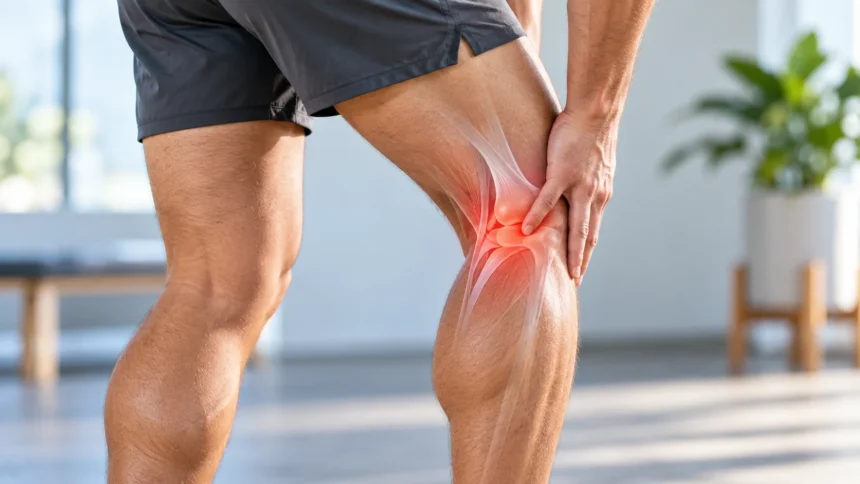
Pain behind the knee can appear suddenly after exercise or develop gradually without an obvious injury. The discomfort may feel sharp, aching, tight, swollen, or stiff depending on what is causing it. Because several muscles, tendons, joints, nerves, and blood vessels pass through the back of the knee, symptoms in this area can have many possible explanations.
Some causes of behind the knee pain are related to overuse, muscle strain, or irritation around the knee joint. Others may involve conditions such as a Baker’s cyst, hamstring tendon problems, arthritis, or ligament injuries. Understanding the location, timing, and type of discomfort can provide useful clues about which structures may be involved.
Although many cases improve with rest and appropriate activity changes, persistent or severe pain should not be ignored. Sudden swelling, significant weakness, inability to bear weight, or symptoms affecting the lower leg may require professional evaluation. Learning the common causes can help you recognize when simple self-care may be reasonable and when medical attention is important.
What Does Pain Behind the Knee Feel Like?
Behind the knee pain can feel different from one person to another depending on the affected structure. Some people experience a dull ache that becomes more noticeable after sitting, walking, or exercising. Others may notice sharp discomfort when bending or straightening the knee, especially during movements such as squatting, climbing stairs, or standing from a seated position.
Tightness is another common sensation, particularly when muscles or tendons around the back of the thigh and calf are involved. The knee may feel restricted, as though it cannot fully straighten without pulling or pressure. In some cases, swelling creates a sensation of fullness behind the knee that becomes more noticeable when the leg is bent.
The timing of symptoms can offer useful information. Pain appearing after running or exercise may suggest muscular or tendon irritation, while stiffness developing gradually may be associated with joint changes. Sudden pain accompanied by swelling, instability, or difficulty walking can indicate a more significant injury and should be assessed more carefully.
Common Causes of Behind the Knee Pain
One of the most common reasons for pain behind the knee is irritation of the muscles and tendons that cross the joint. Hamstring strains, calf muscle injuries, and tendon overuse can all produce discomfort in the posterior knee. These problems are especially common after running, jumping, rapid changes in direction, or increasing exercise intensity too quickly.
Joint-related conditions can also produce pain in this area. Arthritis, cartilage irritation, meniscus injuries, and inflammation inside the knee may cause discomfort that spreads toward the back of the joint. Swelling within the knee can increase pressure and sometimes contribute to the development of a fluid-filled Baker’s cyst behind the knee.
Less commonly, posterior knee pain may involve nerve or circulation problems. Because major blood vessels and nerves travel through the region behind the knee, certain conditions can create symptoms extending into the calf or foot. Persistent pain accompanied by unusual swelling, warmth, discoloration, numbness, or weakness should be evaluated promptly rather than treated as ordinary muscle soreness.
Baker’s Cyst and Pressure Behind the Knee
A Baker’s cyst, also called a popliteal cyst, is a fluid-filled swelling that develops behind the knee. It usually forms when excess joint fluid is pushed into a small sac at the back of the knee. This can happen when an underlying knee condition causes inflammation and increases the amount of fluid inside the joint.
People with a Baker’s cyst may notice fullness, tightness, or a noticeable lump behind the knee. Symptoms can become more uncomfortable when the knee is fully bent or straightened. Some cysts remain small and cause minimal problems, while larger ones may create pressure, stiffness, and difficulty moving the knee normally during daily activities.
Baker’s cysts are often associated with another problem inside the knee, such as arthritis, cartilage irritation, or a meniscus injury. Treating only the swelling without addressing the underlying cause may not prevent it from returning. A healthcare professional can evaluate the knee and determine whether additional treatment or imaging is appropriate.
Hamstring Tendon Problems Behind the Knee
The hamstring muscles run along the back of the thigh and attach around the knee. Tendons from these muscles cross near the posterior and inner or outer portions of the joint. Overuse, sudden acceleration, sprinting, or forceful stretching can place excessive stress on these tissues and lead to discomfort behind the knee.
Hamstring-related pain may feel like pulling, tenderness, or an ache that becomes worse during walking, running, or bending the knee against resistance. Some people notice symptoms after sitting for long periods before standing and moving again. Mild tendon irritation may develop gradually, while a strain may produce more sudden pain during physical activity.
Restoring normal activity usually requires more than simply stretching the hamstrings aggressively. Gradual strengthening, controlled movement, and appropriate recovery may help the tissues tolerate load more effectively. Severe pain, bruising, weakness, or a sudden popping sensation may indicate a more significant strain and should be professionally assessed before returning to demanding exercise.
Calf Muscle Strain and Posterior Knee Pain
The gastrocnemius is a large calf muscle that crosses the knee joint before continuing downward toward the heel through the Achilles tendon. Because of this attachment, irritation or strain of the upper calf can sometimes feel like pain directly behind the knee. This is particularly common during sports involving sprinting, jumping, or rapid acceleration.
A calf strain may produce sudden tightness or sharp discomfort after a forceful movement. Walking uphill, pushing off the toes, or straightening the knee while the ankle is flexed may increase symptoms. Mild injuries may feel like soreness, whereas more significant strains can lead to swelling, bruising, weakness, and difficulty walking normally.
Gradual return to activity is important because the calf experiences considerable force during walking and running. Rest followed by progressive mobility and strengthening may be appropriate for mild muscle injuries. However, calf pain with significant swelling, warmth, or unexplained tenderness should be assessed because circulation problems can sometimes produce similar symptoms.
Meniscus Injuries and Pain at the Back of the Knee
The menisci are two pieces of cartilage positioned between the thigh bone and shin bone inside the knee. They help distribute body weight, absorb shock, and improve joint stability. Certain meniscus tears, particularly those affecting the back portion of the cartilage, may cause pain that feels as though it comes from behind the knee.
Symptoms may appear after twisting the knee while the foot remains planted, but some tears develop gradually with age-related cartilage changes. People may notice swelling, clicking, catching, stiffness, or difficulty fully bending and straightening the knee. Pain can become more noticeable during squatting, pivoting, kneeling, or other movements that load the joint.
Not every meniscus injury requires the same treatment. Some cases improve with activity modification and rehabilitation, while others need additional evaluation depending on the type of tear and severity of symptoms. Persistent locking, significant swelling, instability, or inability to move the knee normally should be evaluated by a qualified healthcare professional.
Arthritis and Stiffness Behind the Knee
Arthritis can affect the entire knee joint and may cause discomfort that is felt toward the back as well as the front or sides. Osteoarthritis becomes more common as cartilage gradually changes with age and repeated joint loading. Inflammation can contribute to stiffness, swelling, reduced movement, and aching around different areas of the knee.
People with knee arthritis often report stiffness after resting for long periods or first getting up in the morning. Symptoms may improve slightly with gentle movement before returning after extended walking, standing, or repetitive activity. Swelling inside the joint can also create additional pressure toward the back of the knee and sometimes contribute to Baker’s cyst formation.
Maintaining appropriate movement and muscle strength can support knee function even when arthritis is present. Exercise plans are usually most effective when adjusted to individual tolerance rather than avoiding activity completely. When pain becomes persistent or significantly interferes with daily movement, professional evaluation can help identify suitable rehabilitation and symptom-management options.
Ligament Injuries and Pain Behind the Knee
Ligaments connect bones and help stabilize the knee during movement. Injuries involving the posterior cruciate ligament, or PCL, can sometimes produce discomfort that feels deep within or behind the knee. PCL injuries may occur when a strong force pushes the shin backward, such as during certain sports injuries or direct impacts to the front of the knee.
Symptoms can include pain, swelling, difficulty walking, and a sense that the knee is unstable. The discomfort may not always be as dramatic as other ligament injuries, particularly when the damage is relatively mild. Some people mainly notice problems during activities that place greater stress on the knee, including descending stairs, running, or changing direction.
Ligament injuries should be evaluated when instability, significant swelling, or ongoing pain is present. A healthcare professional may perform movement tests and recommend imaging when needed. Rehabilitation commonly focuses on restoring strength, stability, and movement control before gradually returning to sports or other physically demanding activities.
Tendon Irritation Around the Back of the Knee
Several tendons run around the posterior knee and help control movement between the thigh, lower leg, and knee joint. Repetitive loading can irritate these structures, particularly when training intensity, running distance, or exercise frequency increases suddenly. Tendon discomfort often develops gradually rather than beginning with a single memorable injury.
Pain may be concentrated near one side of the back of the knee rather than directly in the center. Symptoms can become noticeable during running, bending the knee, climbing stairs, or performing exercises involving repeated knee flexion. Morning stiffness or discomfort after inactivity may also occur when a tendon has become sensitive to loading.
Tendon problems generally respond best to appropriate load management rather than complete inactivity for extended periods. Gradual strengthening can help improve the tissue’s ability to tolerate physical demand. Persistent symptoms deserve assessment because identifying the specific tendon involved can help guide exercise selection and reduce unnecessary irritation during recovery.
When Behind the Knee Pain Could Be More Serious
Most posterior knee pain is related to musculoskeletal structures, but certain symptoms require more urgent attention. Sudden severe swelling, inability to walk, major deformity, or intense pain after an injury may indicate significant structural damage. These symptoms should not be managed solely with home remedies without understanding what has happened inside the joint.
Pain behind the knee or calf accompanied by warmth, redness, or one-sided swelling may sometimes be associated with a blood clot known as deep vein thrombosis. Shortness of breath, chest pain, coughing blood, or sudden breathing difficulty alongside leg symptoms requires emergency medical attention. These symptoms should never be assumed to be a simple muscle strain.
Other warning signs include fever, unexplained weight loss, persistent night pain, progressive weakness, or numbness extending into the lower leg. Pain that continues worsening despite activity changes also deserves evaluation. Seeking appropriate care can help rule out serious causes while identifying a safer and more targeted approach to managing the symptoms.
What to Do When the Back of Your Knee Hurts
For mild discomfort following activity, temporarily reducing movements that clearly aggravate the knee may help calm symptoms. This does not necessarily mean complete bed rest or avoiding all movement. Gentle walking and comfortable range-of-motion exercises may be helpful when they do not significantly increase pain, swelling, or feelings of instability.
Cold packs may help manage short-term soreness or swelling after an acute irritation, while some people find warmth more comfortable for general stiffness. The most appropriate approach depends on the cause and how the symptoms respond. Avoid repeatedly forcing painful stretches or performing aggressive exercises before understanding which tissues may be irritated.
Once symptoms begin settling, gradually returning to normal movement can help restore strength and confidence. Exercises may focus on the quadriceps, hamstrings, calf muscles, hips, and overall lower-body control. If pain repeatedly returns or limits everyday activities, a physiotherapist or other healthcare professional can help identify contributing factors and guide rehabilitation.
How to Reduce the Risk of Posterior Knee Pain
Gradually increasing exercise intensity is one of the simplest ways to reduce excessive stress on tissues around the knee. Sudden changes in running distance, workout frequency, speed, or resistance can overload muscles and tendons before they have adapted. Progressive training allows the body time to build strength and improve tolerance to repeated movement.
Strengthening the muscles surrounding the knee can also help distribute forces more effectively. The quadriceps, hamstrings, calves, and hip muscles all contribute to lower-limb control during walking, running, jumping, and climbing. Balanced strengthening is generally more useful than focusing exclusively on one small area simply because that area previously became painful.
Recovery also matters when preventing recurrent discomfort. Adequate sleep, rest between demanding sessions, appropriate footwear, and variation in training can reduce repeated stress on the same tissues. Paying attention to early stiffness or increasing soreness allows activity to be adjusted before a mild irritation develops into a more limiting problem.
Conclusion
Behind the knee pain can result from several different structures, including muscles, tendons, cartilage, ligaments, joints, and fluid-filled cysts. Common possibilities include hamstring or calf strains, tendon irritation, Baker’s cysts, meniscus problems, arthritis, and ligament injuries. The exact cause depends on how symptoms started and which movements make them better or worse.
Mild symptoms following physical activity may improve with temporary load reduction, comfortable movement, and a gradual return to exercise. Persistent pain should not automatically be blamed on tight muscles or overuse, especially when swelling or instability is present. Understanding the possible causes makes it easier to approach recovery more safely.
Seek medical attention when pain is severe, worsening, associated with major swelling, or accompanied by unusual calf symptoms. Emergency assessment is particularly important if leg swelling occurs alongside chest pain or breathing difficulty. Appropriate evaluation can identify the cause and help determine the safest treatment or rehabilitation strategy.
FAQs
Why does the back of my knee hurt when I bend it?
Pain during bending may come from irritated tendons, a meniscus problem, joint swelling, arthritis, or a Baker’s cyst. The exact cause depends on other symptoms such as swelling, stiffness, clicking, or recent injury.
Can tight hamstrings cause pain behind the knee?
Hamstring muscles and tendons attach near the knee, so irritation or excessive loading can contribute to posterior knee discomfort. However, persistent pain should not automatically be attributed to tight hamstrings without further assessment.
What does a Baker’s cyst behind the knee feel like?
A Baker’s cyst may feel like fullness, pressure, tightness, or a soft lump behind the knee. Symptoms can become more noticeable when completely bending or straightening the leg.
When should I worry about pain behind the knee?
Seek medical evaluation for severe pain, significant swelling, inability to bear weight, instability, fever, numbness, or persistent symptoms. Sudden calf swelling with chest pain or breathing difficulty requires emergency attention.
Can walking help pain behind the knee?
Gentle walking may be appropriate when symptoms are mild and movement does not increase pain or swelling. If walking causes sharp pain, worsening swelling, or instability, reducing activity and seeking professional guidance is more appropriate.