


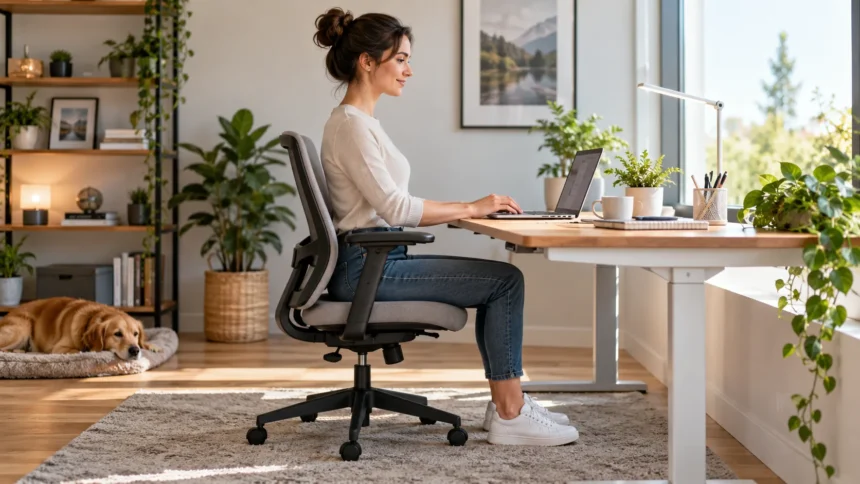
Good posture plays an important role in how comfortably and efficiently your body moves throughout the day. Whether you are sitting at a desk, standing at work, walking, or relaxing at home, your body position can influence muscle activity, joint comfort, and movement. Understanding good posture can help you develop healthier daily habits and reduce unnecessary physical strain.
Many people associate good posture with sitting perfectly straight or keeping their shoulders pulled back throughout the day. However, healthy posture is more about comfortable alignment, balanced movement, and regularly changing positions than maintaining one rigid position. Your body naturally moves through different postures, and no single position is ideal for every person or activity.
This guide explains what good posture means, why it matters, and how to develop comfortable sitting, standing, walking, and sleeping habits. You will also learn practical posture improvement tips, common mistakes, and simple exercises that support movement and body awareness. These strategies can help you maintain comfort, flexibility, and confidence during everyday activities.
What Is Good Posture?
Good posture refers to positioning your body in a way that supports comfortable movement and allows muscles and joints to work efficiently. It involves the relationship between your head, shoulders, spine, pelvis, and limbs during different activities. Rather than requiring perfect alignment, healthy posture allows your body to adapt naturally to changing positions and physical demands.
Posture is generally divided into two categories: static posture and dynamic posture. Static posture describes how you position your body while sitting, standing, or resting, while dynamic posture refers to alignment during movement. Both are important because daily activities require your body to adjust continuously to different tasks, environments, and levels of physical effort.
Everyone has natural differences in spinal curves, flexibility, body proportions, and movement patterns. These variations mean that a comfortable posture for one person may feel different for another. The goal is to develop positions that feel supported, allow normal breathing, and avoid prolonged discomfort rather than forcing the body into a rigid shape.
Why Is Good Posture Important?
Good posture supports comfortable movement by helping distribute physical demands across muscles, joints, and supporting tissues. When your body remains in an uncomfortable position for long periods, certain muscles may become tired or sensitive. Changing positions and using appropriate support can make everyday activities more manageable and reduce unnecessary physical strain.
Posture can also influence how easily you perform routine activities such as working at a computer, carrying groceries, or walking. A comfortable body position may improve movement efficiency and reduce fatigue during repetitive tasks. However, posture alone does not determine whether someone develops pain, because sleep, stress, physical activity, and individual health conditions also matter.
Developing awareness of your posture encourages you to notice when your body needs movement or additional support. This awareness can help you make practical adjustments before discomfort becomes distracting. Healthy posture habits work best when combined with regular physical activity, adequate rest, and an environment that supports comfortable daily movement.
Understanding the Natural Alignment of Your Spine
Your spine contains natural curves that help distribute forces and support movement during everyday activities. The cervical spine curves gently inward near the neck, while the thoracic region curves outward through the upper back. The lumbar spine also has an inward curve, creating a flexible structure that allows bending, twisting, and other movements.
These spinal curves vary naturally between individuals and can change depending on body position or activity. A healthy spine does not need to remain perfectly straight or maintain one exact shape throughout the day. Comfortable movement involves allowing the spine to adjust while surrounding muscles and tissues provide appropriate support for different physical demands.
Trying to force your back into an exaggerated position can sometimes create unnecessary tension. Instead, focus on maintaining a comfortable posture that allows normal movement and relaxed breathing. If you experience persistent back discomfort, a qualified healthcare professional can help identify contributing factors and recommend suitable movement or support strategies.
How to Maintain Good Sitting Posture
Good sitting posture begins with choosing a position that feels comfortable and allows your body to remain supported. Place your feet on the floor or an appropriate footrest, and adjust your chair to suit your height. Your knees and hips can remain in a relaxed position without requiring an exact angle throughout the day.
When working at a desk, position frequently used items within comfortable reach to reduce repeated stretching and awkward movements. Adjust your screen so you can view it without continuously bending your neck or lifting your chin. A supportive chair or small cushion may help if your lower back becomes uncomfortable during extended sitting periods.
Even a well-adjusted sitting position can become uncomfortable when maintained for too long. Stand, walk, stretch, or change your position periodically according to your needs and daily activities. Rather than concentrating on sitting perfectly straight, prioritize comfort, movement variety, and a workspace that allows natural changes in posture.
Good Standing Posture for Everyday Comfort
Standing posture involves balancing your body comfortably over your feet while allowing your joints and muscles to respond naturally. Keep your knees relaxed rather than deliberately locking them into a rigid position. Allow your shoulders and arms to rest comfortably, and position your head where it feels balanced without forcing your chin or neck.
When standing for extended periods, shifting your weight between your feet can help reduce fatigue. You may also benefit from changing your stance, taking short walks, or placing one foot on a low supported surface occasionally. These small adjustments provide movement variety and prevent the same muscles from remaining active continuously.
Footwear and workplace conditions can influence comfort during prolonged standing. Shoes that fit well and provide suitable support may help you move more comfortably throughout the day. If your work requires standing for several hours, consider whether adjustable work surfaces, available seating, or scheduled movement breaks could make your routine more manageable.
How to Improve Posture While Walking
Walking posture should feel natural, relaxed, and comfortable rather than overly controlled. Look generally in the direction you are traveling while allowing your head and neck to move normally. Your shoulders can remain relaxed, and your arms should swing naturally according to your walking speed and individual movement pattern.
Try to walk at a pace that feels comfortable and allows smooth, coordinated movement. Your feet, hips, and trunk work together to support balance as your body moves forward. There is no need to force an exaggerated stride length or keep your abdomen constantly tightened, because these habits may make walking feel unnecessarily demanding.
Regular walking provides an opportunity to develop movement awareness and maintain general physical activity. If you notice tension, consider relaxing your shoulders or adjusting your pace instead of trying to correct every body position. Comfortable footwear, suitable walking surfaces, and gradual activity increases can also support a positive walking experience.
Good Posture While Working at a Computer
Computer work often involves remaining seated and looking at a screen for extended periods. A comfortable workstation can reduce unnecessary reaching, awkward neck positions, and repetitive physical demands. Position your keyboard and mouse close enough that your arms can rest comfortably while typing and using other computer functions.
Screen placement should allow you to read information without constantly looking sharply upward or downward. Depending on your desk arrangement, an adjustable monitor stand or laptop support may improve viewing comfort. If you raise a laptop screen, using a separate keyboard and mouse can help maintain a more convenient position for your hands.
Movement breaks are particularly helpful during long periods of computer use. You can stand, walk around, or perform gentle shoulder and neck movements between tasks. The most practical workspace is one that supports different comfortable positions rather than requiring you to maintain a single supposedly perfect posture throughout the entire working day.
How Phone Use Can Affect Your Posture
Using smartphones often involves looking downward, holding devices for extended periods, and repeating small hand movements. These activities are not automatically harmful, but they can contribute to temporary discomfort when maintained without variation. Neck, shoulder, and hand fatigue may become more noticeable during prolonged browsing, messaging, or other repetitive activities.
To make phone use more comfortable, change how you hold your device and adjust its position when necessary. Supporting your arms on a table or cushion may reduce fatigue during longer sessions. You can also alternate hands and take brief breaks from repetitive movements instead of forcing your head into one fixed position.
It is important to understand that looking down at a phone does not automatically cause permanent spinal damage. The relationship between posture and pain is influenced by many individual factors. Focusing on comfortable positions, regular movement, and manageable screen time is generally more practical than becoming anxious about every movement of your neck.
Best Sleeping Positions for Comfortable Posture
Sleeping posture can influence how comfortable your body feels during rest, particularly when you have existing neck or back sensitivity. There is no single sleeping position that works best for everyone. The most suitable position generally allows you to sleep comfortably while avoiding sustained pressure or positions that aggravate existing symptoms.
Side sleeping is comfortable for many people, especially when a pillow supports the head at a suitable height. Some individuals also prefer placing a pillow between their knees for additional comfort. Back sleeping may feel more supportive with a pillow beneath the knees, although these adjustments depend on personal preferences and physical needs.
Your mattress and pillow should support comfortable sleep rather than force a particular spinal position. Consider whether your bedding allows you to rest without repeated discomfort or unnecessary pressure. If you regularly wake with significant pain, numbness, or other persistent symptoms, seek professional advice instead of assuming that posture is the only cause.
Common Posture Mistakes to Avoid
One common posture mistake is believing that good posture means maintaining a perfectly straight back throughout the day. Constantly pulling your shoulders backward or tightening your abdominal muscles may create unnecessary physical tension. A comfortable posture should allow natural movement rather than require continuous muscular effort to maintain an idealized position.
Another mistake is remaining in the same position for long periods, even when that position initially feels comfortable. Muscles and joints generally benefit from movement variety during everyday activities. Changing how you sit, stand, and move can help reduce fatigue without requiring complicated posture correction techniques or specialized equipment.
People sometimes blame every episode of neck or back pain on poor posture without considering other contributing factors. Physical discomfort can involve activity levels, previous injuries, sleep quality, stress, and individual medical conditions. Recognizing this complexity can help you make sensible improvements while avoiding unnecessary worry about normal variations in body alignment.
Simple Exercises That Support Healthy Posture
Gentle movement exercises can support posture by improving comfort, mobility, and awareness of how your body moves. Shoulder rolls, comfortable neck movements, and upper-back mobility exercises are easy activities that many people can perform during daily breaks. Move slowly within a comfortable range and avoid forcing stretches or continuing movements that cause pain.
Strength-building activities can also support everyday movement by improving the capacity of muscles around the shoulders, trunk, hips, and legs. Exercises such as supported rows, wall push-ups, and controlled sit-to-stand movements may be useful depending on your abilities. Start with manageable effort and gradually progress as movements become more comfortable.
Exercise programs do not need to focus entirely on correcting body alignment to provide benefits. Walking, swimming, cycling, and other enjoyable forms of physical activity can help maintain strength and mobility. Choosing activities you can perform consistently is often more helpful than following rigid routines designed around achieving one supposedly ideal posture.
How Flexibility and Strength Influence Posture
Muscle strength supports your ability to perform daily activities, maintain balance, and respond to physical demands. Stronger muscles can make certain movements feel easier, especially during lifting, carrying, and prolonged tasks. However, having strong muscles does not automatically create perfect posture, nor does a relaxed posture necessarily indicate weakness.
Flexibility describes the available movement range around joints and supporting tissues. Comfortable mobility allows you to reach, bend, rotate, and change positions during everyday tasks. People naturally have different levels of flexibility, and greater flexibility is not always necessary or beneficial for every activity or individual.
A balanced approach includes suitable strength activities, regular movement, and mobility exercises when needed. Rather than focusing on appearance or exact alignment, consider whether your body can perform daily activities comfortably. Gradually developing physical capacity can improve confidence in movement while supporting overall musculoskeletal health and functional independence.
How Long Does It Take to Improve Posture Habits?
The time required to develop more comfortable posture habits varies depending on daily routines, physical activity, and individual needs. Some people notice immediate improvements after adjusting their workstation or changing uncomfortable positions. Others may need several weeks of consistent practice to develop movement awareness and maintain new habits during busy activities.
It is helpful to focus on small, realistic adjustments rather than expecting dramatic changes overnight. For example, you might begin taking movement breaks during desk work or arranging frequently used items within comfortable reach. Repeating simple actions consistently can make posture-friendly habits feel more natural over time.
Progress should be measured through comfort, movement confidence, and daily function rather than visual appearance alone. If an adjustment makes your body feel tense or uncomfortable, it may not be appropriate for you. Developing useful habits is an ongoing process that can change as your activities, environment, and physical needs evolve.
When Should You Seek Professional Advice About Posture?
Most everyday posture concerns can be approached through comfortable movement, activity adjustments, and practical workplace changes. However, persistent or worsening discomfort deserves attention, especially when it interferes with sleep, school, work, or normal activities. A healthcare professional can assess symptoms and determine whether additional evaluation or treatment is appropriate.
Seek prompt medical attention for concerning symptoms such as new or progressive weakness, significant numbness, or loss of bladder or bowel control. Severe pain following an injury also requires appropriate assessment. These symptoms should not be attributed to ordinary posture habits without professional evaluation because they may indicate conditions needing timely care.
A physical therapist or other qualified clinician may help identify movement limitations, strength needs, and environmental factors contributing to discomfort. Recommendations should reflect your symptoms, activities, and personal goals rather than a universal posture standard. Professional guidance can provide reassurance and help you maintain comfortable movement without unnecessary restrictions.
Practical Daily Habits for Better Posture
Developing healthier posture habits begins with paying attention to how your body feels during routine activities. Notice when prolonged sitting, repetitive movements, or uncomfortable work arrangements contribute to fatigue. Small changes, such as adjusting chair support or moving frequently used objects closer, can improve comfort without requiring major lifestyle changes.
Try incorporating regular movement into activities you already perform throughout the day. Walk briefly between tasks, change sitting positions during study sessions, or perform gentle stretches when you feel stiff. These habits can encourage movement variety and reduce the temptation to hold a rigid posture for extended periods.
Consistency matters more than maintaining a perfect body position every minute. Choose practical adjustments that suit your schedule, physical abilities, and environment, and change them when necessary. By combining movement, comfortable positioning, and suitable physical activity, you can support daily function and develop a healthier relationship with your body’s natural posture.
Conclusion
Good posture is not about sitting or standing perfectly straight at all times. It involves finding comfortable positions, supporting natural movement, and allowing your body to adapt to different daily activities. Understanding the relationship between posture, movement, and physical comfort can help you make practical adjustments without unnecessary tension or rigid rules.
Simple habits such as changing positions regularly, arranging your workspace comfortably, and remaining physically active can support musculoskeletal health. Strength and mobility exercises may also improve your ability to perform daily activities comfortably. Rather than following one universal posture standard, focus on what helps your body move efficiently and confidently.
Improving posture habits takes awareness, consistency, and a willingness to adapt as your needs change. Pay attention to comfort, take regular movement opportunities, and seek professional guidance when persistent symptoms require assessment. A flexible, balanced approach can help you enjoy everyday activities without worrying about maintaining perfect alignment.
Frequently Asked Questions (FAQs)
1. What is considered good posture?
Good posture means positioning your body comfortably while supporting natural movement and everyday activities. It does not require perfect spinal alignment or maintaining one rigid position throughout the day.
2. How can I improve my posture naturally?
You can develop healthier posture habits by changing positions regularly, adjusting your workspace, staying physically active, and performing comfortable mobility exercises. Focus on movement variety rather than forcing your body into rigid alignment.
3. Can poor posture cause back pain?
Prolonged uncomfortable positions may contribute to back discomfort in some people, but posture alone does not explain every episode of pain. Activity levels, stress, sleep, and other health factors can also matter.
4. What is the best sitting posture for office work?
Choose a comfortable seated position with supportive feet, relaxed shoulders, and an appropriately positioned screen. Change positions periodically because even a comfortable workstation arrangement can become tiring during prolonged sitting.
5. How long does it take to develop better posture habits?
The timeline varies between individuals and activities. Some adjustments improve comfort immediately, while developing consistent movement and workstation habits may take several weeks of regular practice.
