


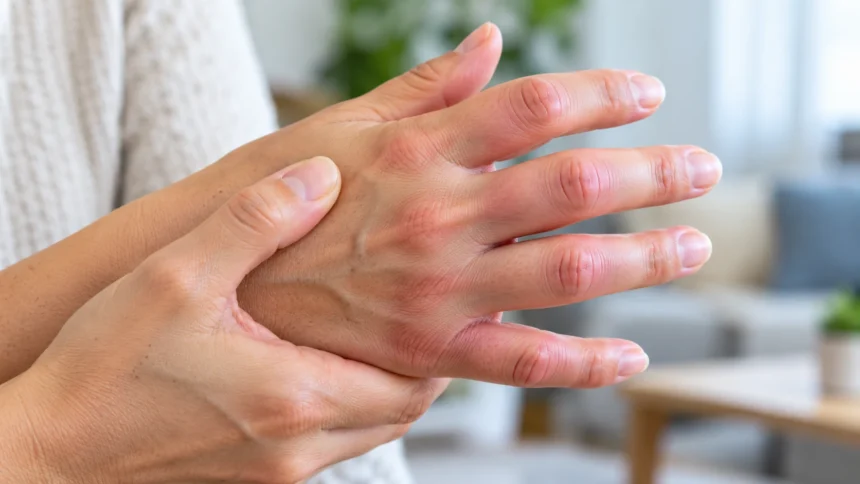
Swollen fingers can make everyday tasks such as typing, gripping objects, wearing rings, or opening containers surprisingly uncomfortable. The swelling may affect one finger, several fingers, or both hands at the same time. In some cases, it appears temporarily after exercise or heat exposure, while in others it may be connected to inflammation, injury, infection, or an underlying health condition.
Finger swelling happens when excess fluid builds up within tissues or when inflammation causes the structures around the joints, tendons, and skin to enlarge. The fingers may feel puffy, tight, stiff, warm, tender, or difficult to bend. Looking at when the swelling began and whether other symptoms are present can provide helpful clues about what may be happening.
Many causes of swollen fingers are temporary and improve once the trigger settles. However, persistent swelling, severe pain, redness, numbness, fever, or sudden changes affecting one hand should not be ignored. Understanding common causes can help you decide whether simple self-care may be reasonable or whether professional medical evaluation is more appropriate.
Why Do Fingers Become Swollen?
Finger swelling usually occurs when fluid accumulates in the soft tissues or when inflammation develops around a joint or nearby structure. Blood vessels naturally allow small amounts of fluid to move into surrounding tissues, but the body normally removes this fluid efficiently. When that balance changes, the fingers may temporarily become noticeably larger or tighter.
Inflammation is another major cause of swollen fingers. Injuries, infections, joint conditions, and repetitive strain can trigger the body’s inflammatory response, increasing blood flow and fluid movement into affected tissues. This response is intended to protect and repair the area, but it can also create tenderness, warmth, stiffness, and difficulty moving the finger normally.
Swelling may involve the entire finger or remain concentrated around a specific joint. The pattern can sometimes help narrow down possible causes, although appearance alone cannot provide a definite diagnosis. Factors such as recent injury, physical activity, temperature, diet, medications, and associated symptoms are also important when trying to understand why the fingers have become swollen.
Swollen Fingers From Heat and Fluid Retention
Hot weather is a common reason fingers may appear temporarily swollen. Heat causes blood vessels near the skin to expand as the body attempts to release excess warmth. This process can allow more fluid to move into nearby tissues, leading to mild puffiness in the hands, fingers, feet, or ankles.
The swelling is often more noticeable after spending several hours outdoors or being physically active in warm conditions. Rings may suddenly feel tighter, and the fingers may feel slightly stiff even though there is little or no significant pain. In many cases, the swelling gradually improves after cooling down, resting, and maintaining normal hydration.
Fluid retention can also occur for reasons unrelated to temperature, including prolonged inactivity or changes in salt and fluid balance. Eating a particularly salty meal may contribute to temporary water retention in some people. Persistent or repeated swelling, however, deserves closer attention because several medical conditions can also affect how the body manages fluid.
Exercise and Swollen Fingers
Some people notice that their fingers become puffy while walking, running, hiking, or performing prolonged exercise. During physical activity, blood flow increases throughout the body while circulation patterns change to support working muscles and temperature regulation. These changes can contribute to temporary fluid accumulation within the hands and fingers.
The position of the arms may also influence swelling during exercise. When the hands remain below heart level for long periods, gravity can encourage fluid to collect in the fingers. Repeated arm movement normally assists circulation, but during long walks or endurance activity, mild hand swelling can still develop even in otherwise healthy people.
Exercise-related swelling is usually mild and improves once activity stops and circulation returns to its usual pattern. Moving the fingers, briefly raising the hands, and avoiding excessively tight jewelry may improve comfort. Sudden severe swelling, significant pain, dizziness, confusion, or other unusual symptoms during exercise should be treated differently and evaluated promptly.
Injury, Sprains, and Broken Fingers
A direct injury is one of the most obvious explanations for a swollen finger. Jamming a finger, falling onto the hand, striking an object, or bending a joint forcefully can damage ligaments, tendons, bones, or surrounding soft tissues. Swelling often develops soon afterward as inflammation increases around the injured area.
A mild sprain may cause tenderness, stiffness, bruising, and swelling without severely limiting function. More significant injuries can produce intense pain, deformity, weakness, or difficulty bending and straightening the finger. Fractures may sometimes look similar to severe sprains, so appearance alone is not always enough to determine which structure has been damaged.
Applying excessive force to an injured finger or repeatedly testing its movement can make symptoms worse. If the finger looks crooked, cannot move normally, becomes numb, or is extremely painful, professional assessment is important. Imaging may be needed to identify fractures or joint injuries and determine whether immobilization or other treatment is required.
Arthritis and Swollen Finger Joints
Arthritis is a common cause of repeated or persistent swelling around the finger joints. Osteoarthritis occurs when changes develop within joint cartilage and surrounding structures over time. It frequently affects the joints near the fingertips, middle finger joints, and base of the thumb, sometimes causing stiffness, tenderness, or enlargement around the joint.
Inflammatory forms of arthritis can create a different pattern of swelling. Rheumatoid arthritis, for example, can cause inflammation in multiple finger and hand joints, often affecting both sides of the body. People may experience prolonged morning stiffness, warmth, tenderness, reduced grip strength, and difficulty completing tasks that require detailed hand movement.
Not every swollen finger joint means arthritis is present. Injuries, infections, tendon conditions, and other inflammatory problems can produce similar symptoms. Swelling that repeatedly returns, affects several joints, or is accompanied by significant morning stiffness should be evaluated so the underlying cause can be identified and appropriate treatment can begin.
Infection and Swelling in the Fingers
An infection can cause rapid swelling, redness, warmth, and tenderness within a finger. Bacteria can enter through cuts, punctures, hangnails, bites, or other small openings in the skin. Even a wound that appears minor can occasionally allow infection to develop in deeper tissues around the nail, tendon, or joint.
The affected area may become increasingly painful, and redness can spread beyond the original site. Pus, throbbing discomfort, reduced finger movement, and fever may also occur depending on the severity of the infection. Because the spaces within the fingers are relatively small, swelling can create substantial pressure and make movement very uncomfortable.
Finger infections should not be ignored when symptoms are worsening. Prompt medical assessment is especially important when redness spreads, pain becomes severe, fever develops, or the finger becomes difficult to move. Some infections require antibiotics or drainage, and delaying treatment may allow infection to spread to deeper tissues or other parts of the hand.
Tendon Problems and Repetitive Hand Use
Tendons connect muscles to bones and allow the fingers to bend and straighten smoothly. Repetitive gripping, typing, tool use, sports, or manual work can irritate tendons and the tissues surrounding them. This may lead to localized swelling, tenderness, stiffness, or discomfort that becomes more noticeable during repeated finger movement.
Trigger finger is one tendon-related condition that can produce swelling and difficulty with movement. The affected finger may catch, click, or become temporarily locked in a bent position before straightening. Tenderness is often felt near the base of the finger where the tendon moves through a narrow tissue tunnel in the hand.
Reducing repetitive strain may improve mild tendon irritation, but prolonged inactivity is not always necessary. Gradual movement and appropriate hand exercises may support recovery once symptoms begin settling. Persistent locking, weakness, severe pain, or swelling that interferes with normal hand function should be assessed by a healthcare professional.
Allergic Reactions and Sudden Finger Swelling
Allergic reactions can sometimes cause the hands and fingers to swell quickly. Triggers may include insect stings, certain foods, medications, latex, cosmetics, cleaning products, or substances contacting the skin. Swelling can remain localized to one area or occur alongside itching, redness, hives, or swelling elsewhere on the body.
Contact dermatitis usually affects the skin after direct exposure to an irritating or allergenic substance. The fingers may become red, swollen, itchy, dry, or blistered depending on the reaction. Identifying and avoiding the triggering substance is important because repeated exposure can cause symptoms to return or become more difficult to manage.
Some allergic reactions are medical emergencies. Finger swelling accompanied by swelling of the lips, tongue, face, or throat, difficulty breathing, wheezing, dizziness, or fainting requires immediate emergency attention. These symptoms may indicate a severe allergic reaction rather than a simple localized skin irritation.
Poor Circulation and Other Medical Conditions
Circulation problems can sometimes contribute to changes in finger size, color, temperature, or sensation. Conditions affecting blood vessels may cause the fingers to become unusually pale, blue, red, cold, numb, or swollen at different times. Symptoms may be triggered by cold temperatures, prolonged positioning, or changes in blood flow through the hands.
Certain heart, kidney, liver, or hormonal conditions can also cause fluid retention throughout the body. In these situations, swelling may not be limited to the fingers and could also affect the legs, feet, face, or abdomen. The pattern, duration, and accompanying symptoms are important when distinguishing temporary finger swelling from a broader fluid-balance problem.
Some medications can contribute to swelling as a side effect. Because many different conditions and treatments influence fluid balance, persistent swelling should not be self-diagnosed based only on appearance. A healthcare professional can review symptoms, medications, and medical history to determine whether additional testing or treatment may be appropriate.
Swollen Fingers During Pregnancy
Mild swelling of the hands and fingers can occur during pregnancy because the body naturally retains more fluid and experiences changes in blood circulation. Rings may feel tighter, especially later in pregnancy or during warm weather. Gradual swelling that remains mild may occur alongside similar puffiness in the feet and ankles.
Sudden or significant swelling deserves more attention, particularly when it affects the hands or face. Swelling accompanied by a severe headache, vision changes, upper abdominal pain, nausea, shortness of breath, or elevated blood pressure may require prompt medical evaluation. These symptoms can sometimes be associated with pregnancy complications that need professional assessment.
Anyone who is pregnant and unsure about new or worsening hand swelling should contact their maternity or healthcare provider. It is safer to discuss unexpected symptoms rather than assume they are simply normal fluid retention. A clinician can assess blood pressure and other factors to determine whether further monitoring or testing is necessary.
When Should You Worry About Swollen Fingers?
Swollen fingers should be evaluated when the symptoms are severe, unexplained, or continuing to worsen. Significant pain, deformity, inability to move the finger, or swelling following a major injury may indicate damage requiring treatment. Numbness, loss of sensation, or unusual color changes can also suggest that nerves or circulation may be affected.
Signs of infection require particular attention. Increasing warmth, spreading redness, pus, fever, or severe tenderness can indicate that an infection is developing. Prompt treatment may prevent the infection from spreading deeper into the finger, hand, tendon sheath, joint, or bloodstream.
Emergency care is appropriate when swelling occurs alongside difficulty breathing, swelling of the face or throat, chest pain, severe weakness, or sudden serious illness. Persistent swelling involving multiple joints or other parts of the body also deserves professional assessment. The goal is to identify the underlying cause rather than repeatedly treating swelling without understanding why it is occurring.
How to Reduce Mild Finger Swelling at Home
Mild swelling from heat, exercise, or minor overuse may improve with simple measures. Removing rings early is important because jewelry can become increasingly tight as swelling progresses. Raising the hands above heart level for short periods and gently opening and closing the fingers may encourage normal circulation and reduce feelings of stiffness.
A cold pack wrapped in a cloth may help temporarily after a minor injury or irritation, particularly when swelling has recently developed. Avoid placing ice directly against the skin for prolonged periods. If an injury is suspected, temporarily reducing activities that clearly increase pain can give irritated tissues time to settle.
Home care is most appropriate when swelling is mild and there are no concerning symptoms. If the swelling repeatedly returns, lasts several days, or becomes progressively worse, identifying the cause becomes more important than simply trying to reduce the puffiness. Professional guidance can help determine whether joint, tendon, circulation, infection, or systemic factors are involved.
Conclusion
Swollen fingers can develop for many reasons, ranging from temporary fluid retention to injuries, arthritis, infections, tendon irritation, allergic reactions, and circulation problems. The location and pattern of swelling can provide useful clues, particularly when considered alongside pain, redness, stiffness, numbness, or changes in skin color.
Mild swelling after heat exposure or exercise often improves naturally, while swelling linked to injury or repetitive activity may require temporary load reduction and gradual recovery. Persistent finger swelling should not automatically be dismissed as water retention. Symptoms involving multiple joints or recurring regularly may need a more detailed medical assessment.
Seek prompt medical care for severe swelling, deformity, spreading redness, fever, significant numbness, or rapidly worsening symptoms. Emergency help is especially important when hand swelling occurs with breathing difficulty or facial and throat swelling. Understanding the warning signs can help you respond appropriately while avoiding unnecessary concern about temporary, mild puffiness.
FAQs
Why are my fingers swollen in the morning?
Morning finger swelling may be related to fluid retention, sleeping position, arthritis, or joint inflammation. Frequent swelling with prolonged morning stiffness may deserve medical evaluation, especially if several joints are affected.
Can too much salt make your fingers swell?
A high-salt meal can temporarily increase water retention in some people, making the hands and fingers feel puffy. Persistent swelling is less likely to be explained by salt intake alone.
Why are my fingers swollen after walking?
During prolonged walking, changes in circulation and keeping the hands below heart level can allow fluid to collect in the fingers. This type of swelling usually improves after exercise ends.
What causes one finger to suddenly swell?
Sudden swelling in one finger may result from an injury, insect bite, infection, allergic reaction, or tendon problem. Severe pain, spreading redness, deformity, or reduced movement warrants professional evaluation.
How long should swollen fingers last?
Temporary swelling from heat or exercise may improve within hours. Swelling that persists for several days, repeatedly returns, or worsens despite rest should be assessed to determine the underlying cause.
