


L-Lysine Benefits: Uses, Dosage & Side Effects
L-lysine is an essential amino acid that the human body needs for normal growth, tissue maintenance, protein production, and several important biochemical processes. Because the body cannot manufacture enough lysine on its own, people must obtain it through food or, when appropriate, dietary supplements. Meat, fish, dairy products, eggs, soy foods, beans, and lentils are among the better dietary sources of lysine. Supplements are most commonly promoted for cold sores caused by herpes simplex virus, although research on this use has produced mixed results. Lysine is also marketed for exercise recovery, collagen production, calcium utilization, and general wellness. Understanding what the research actually supports can help people separate established nutritional roles from less certain supplement claims.
Most people eating a varied diet that provides enough protein can obtain adequate lysine without taking a separate supplement. Supplemental L-lysine is available as tablets, capsules, powders, and sometimes as an ingredient in combination products. Doses used in research vary considerably depending on the purpose, which means there is no single supplement amount that is appropriate for everyone. Higher doses can cause digestive symptoms such as nausea, stomach discomfort, and diarrhea, while people with certain medical conditions should be particularly cautious. The amount needed to meet basic nutritional requirements is also different from the larger doses commonly sold as supplements. This guide explains L-lysine benefits, common uses, food sources, dosage considerations, potential side effects, and practical safety information.
What Is L-Lysine?
L-lysine is one of the nine amino acids classified as essential for humans. Essential amino acids cannot be produced by the body in sufficient amounts, so they have to come from the diet. After protein-containing foods are digested, the body absorbs amino acids and uses them to construct new proteins and perform many other biological functions. Lysine becomes part of proteins throughout muscles, connective tissues, enzymes, and other structures. Unlike carbohydrates or fats, amino acids are generally discussed as building blocks rather than as a separate storage system for later use. A balanced intake of essential amino acids over the course of the day therefore supports normal protein turnover and tissue maintenance.
The “L” in L-lysine describes the molecular form commonly used by the body to build proteins. Amino acids can exist in different structural orientations, but naturally occurring proteins in humans primarily use their L-forms. Dietary supplements therefore typically contain L-lysine or L-lysine hydrochloride rather than an unrelated form of the amino acid. Once absorbed, lysine enters the body’s amino acid pool and can be used according to current metabolic needs. It does not travel exclusively to one organ or perform only one function. This helps explain why supplement marketing that claims lysine specifically targets one body system can oversimplify how amino-acid metabolism actually works.
Lysine participates in protein synthesis, meaning it is required when cells assemble new proteins from amino acids. This makes adequate lysine particularly important during periods of growth, tissue repair, pregnancy, and other situations where protein needs may be higher. Lysine is also involved indirectly in the formation of carnitine, a compound that participates in transporting fatty acids into mitochondria for energy metabolism. It contributes to normal connective-tissue biology because lysine residues are involved in important collagen structures and cross-linking. These functions demonstrate why adequate lysine is necessary for health. However, obtaining more lysine than the body needs does not automatically accelerate all of these biological processes.
Lysine deficiency is uncommon among people consuming adequate amounts of varied protein-rich foods, especially in higher-income settings. Risk can become greater when diets are severely restricted, overall protein intake is inadequate, or staple foods provide relatively low amounts of lysine without enough complementary protein sources. Some cereal-based diets can be more limited in lysine than diets containing legumes, dairy foods, eggs, fish, or meat. The practical solution is usually improving overall dietary protein quality rather than automatically taking a high-dose supplement. Individual amino acids work together during protein synthesis, so adequate intake of the complete range of essential amino acids matters. A balanced dietary pattern generally provides a stronger nutritional foundation than focusing exclusively on lysine.
L-lysine supplements became particularly popular because of claims involving herpes simplex infections and recurrent cold sores. The proposed explanation involves the relationship between lysine and arginine, another amino acid that herpes simplex virus requires during replication. Laboratory findings encouraged researchers to examine whether changing lysine intake could influence the frequency or severity of herpes outbreaks. Human trials have produced inconsistent results, with some studies showing potential improvement and others finding little meaningful benefit. A review concluded that lower-dose supplementation was generally ineffective and that stronger research was needed to clarify whether higher intake helps particular patients. Therefore, L-lysine should be viewed as a possible complementary option rather than a proven replacement for antiviral medication.
How L-Lysine Works in the Body
One of lysine’s fundamental roles is supporting protein production throughout the body. Proteins are constantly being created and broken down as cells maintain muscles, skin, enzymes, antibodies, transport proteins, and many other structures. During this process, the body needs access to all essential amino acids in appropriate amounts. If one indispensable amino acid is severely limited, protein synthesis can become constrained even when other amino acids are available. Lysine can therefore be particularly important in diets where cereal foods provide substantial protein but relatively less lysine. For people already consuming adequate high-quality protein, however, simply adding large amounts of supplemental lysine does not necessarily increase protein synthesis beyond normal physiological needs.
Lysine also contributes to connective tissue because collagen contains lysine residues that undergo important modifications after the collagen protein has been produced. Collagen is a major structural protein in skin, tendons, ligaments, bone, cartilage, and other connective tissues. This biological connection is sometimes used to market lysine supplements for skin appearance, wound healing, or joint support. Adequate dietary lysine is unquestionably necessary for normal collagen biology, but that does not prove that taking additional lysine improves collagen production in people who are already nutritionally sufficient. Collagen synthesis also depends on vitamin C, adequate overall protein, energy intake, and many additional cellular processes. Supplements should therefore not be presented as a stand-alone collagen solution.
Another biochemical role involves carnitine synthesis, which requires lysine-derived compounds alongside other nutrients. Carnitine helps transport long-chain fatty acids into mitochondria, where they can be used in energy metabolism. Because of this relationship, L-lysine is sometimes promoted as an energy or exercise supplement. The body’s carnitine system is considerably more complicated than simply increasing lysine intake, however. Healthy people with adequate protein nutrition generally maintain normal carnitine production through coordinated metabolic pathways. There is not strong evidence that routine high-dose lysine supplementation substantially improves energy, endurance, or fat burning in healthy adults. Athletes should therefore focus first on total protein, calories, carbohydrates, hydration, sleep, and appropriate training.
Research has also investigated a possible relationship between lysine and calcium metabolism. Some experimental and small clinical findings have suggested that lysine may influence intestinal calcium absorption or the way calcium is retained. This has generated interest in whether supplemental lysine could support bone health. However, bone strength depends on many factors, including calcium, vitamin D, protein, physical activity, hormones, genetics, age, and overall nutritional status. Evidence is not strong enough to recommend L-lysine as a primary treatment for osteoporosis or low bone density. People concerned about bone health should use established screening, nutrition, exercise, and medical approaches rather than relying primarily on an isolated amino-acid supplement.
Lysine and arginine have received additional attention because they can interact within certain biological systems, including transport pathways. The herpes simplex hypothesis proposes that increasing lysine relative to arginine may create conditions less favorable for viral activity, although human evidence is inconsistent. This idea has led some people to reduce high-arginine foods aggressively while taking lysine supplements. Such dietary restriction is rarely necessary without individualized professional guidance because foods provide combinations of many useful nutrients. Nuts, seeds, whole grains, and legumes may contain substantial arginine but can still be valuable parts of a healthy diet. A theoretical amino-acid ratio should not automatically outweigh the broader nutritional quality of foods.
Potential L-Lysine Benefits
The strongest established benefit of lysine is much less dramatic than many supplement advertisements suggest: it is an essential nutrient required for normal human health. Adequate lysine supports protein synthesis, growth, tissue maintenance, and numerous metabolic functions. People who consume sufficient high-quality protein generally receive these benefits automatically through food. In those circumstances, additional supplementation may not provide a noticeable improvement because nutritional needs are already being met. This is an important distinction between preventing deficiency and producing a pharmacological effect. Essential nutrients can be critical to health without providing progressively greater benefits at increasingly high doses.
Recurrent cold sores are the most widely discussed supplemental use of L-lysine. Several older clinical trials reported fewer herpes simplex recurrences or improvements in symptoms with particular lysine regimens, while other controlled studies failed to find substantial benefits. A review of the evidence concluded that doses below one gram per day appeared ineffective for preventing or treating herpes lesions without dietary changes. It also noted that some higher-dose studies suggested improvements in patients’ subjective experience, but more rigorous research was still necessary. The available evidence therefore cannot guarantee that lysine will prevent an outbreak. People with frequent or severe herpes infections should discuss proven antiviral treatments with a healthcare professional.
Lysine is sometimes promoted for supporting recovery from exercise because muscles require amino acids for protein turnover and repair. Adequate protein intake unquestionably matters for active people, but isolated lysine is not usually the limiting nutritional factor in someone eating enough complete protein. Whey, dairy foods, eggs, meat, fish, soy, and balanced combinations of plant proteins provide lysine alongside the other essential amino acids needed for muscle protein synthesis. Taking lysine alone cannot substitute for insufficient total protein or inadequate energy intake. Current sports nutrition strategies generally focus on sufficient high-quality protein distributed through the day rather than megadoses of a single amino acid. Exercise performance claims for isolated L-lysine therefore deserve caution.
Possible effects on stress and anxiety have also been explored in small studies, particularly in populations whose usual diets may be relatively low in lysine. Some researchers have proposed that correcting inadequate lysine intake could influence stress-related responses through interactions with neurotransmitter systems. These findings are interesting but have not established L-lysine as a standard treatment for anxiety disorders, chronic stress, depression, or sleep problems. Psychological symptoms have many possible causes and often require individualized assessment. A person experiencing persistent anxiety should not delay evidence-based mental healthcare in favor of an amino-acid supplement. Improving overall nutritional adequacy can support health, but nutritional support is different from proving that lysine has a direct psychiatric treatment effect.
Skin and wound-healing claims are another area where lysine’s basic biological role can be confused with evidence for supplementation. Lysine participates in proteins and collagen structures required for normal tissue maintenance, so inadequate intake could theoretically interfere with repair. However, a person who already receives enough protein may not heal wounds faster simply by taking additional lysine. Wound healing depends on blood circulation, infection control, glucose regulation, oxygen delivery, energy intake, protein, vitamin C, zinc, and many other factors. Chronic or poorly healing wounds require medical evaluation because diabetes, vascular disease, pressure injury, or infection may be involved. L-lysine should not be used as a substitute for identifying and treating the underlying cause.
L-Lysine for Cold Sores and Herpes Simplex
Cold sores, also called herpes labialis, are usually caused by herpes simplex virus type 1. After the initial infection, the virus can remain dormant within nerve tissue and later reactivate, producing recurrent blisters around the lips or mouth. Common triggers can include illness, stress, sun exposure, hormonal changes, or other physiological stressors, although triggers differ between individuals. Lysine became popular for cold sores because laboratory research suggested that amino-acid availability might influence herpes virus replication. Researchers subsequently tested oral lysine supplements in people with recurrent outbreaks. The clinical results, however, have not been consistent enough to establish lysine as a reliable stand-alone treatment.
One older double-blind trial gave participants approximately three grams of lysine per day for six months and reported fewer herpes infections, reduced symptom severity, and shorter healing time than placebo. These findings helped establish the supplement’s reputation for recurrent herpes. However, the study was relatively small, with just over fifty participants completing the trial. Other studies using different doses and designs have produced weaker or negative findings. Research from the 1980s found that one gram daily did not clearly reduce overall recurrence rates, even though some participants appeared to experience benefit. These conflicting results demonstrate why individual positive trials should be interpreted within the broader evidence base.
Another controlled study evaluated daily intakes of 624 milligrams and 1,248 milligrams in people with recurrent herpes simplex. The researchers found evidence that the higher dose reduced recurrence in some participants, while the lower dose was not effective. Neither dose clearly shortened healing time compared with placebo. A separate trial using approximately 1,200 milligrams per day found no substantial benefit for either active treatment or prevention. Differences between studies may reflect dosage, dietary patterns, participant characteristics, outbreak frequency, and study design. These inconsistencies prevent a single lysine dose from being recommended confidently as an evidence-based treatment for every person with recurrent cold sores.
A later evidence review attempted to bring these conflicting studies together. It concluded that supplementation below one gram daily appeared ineffective without simultaneous dietary changes and that some higher-dose use might improve subjective symptoms. Importantly, the authors stated that longer controlled trials using adequate doses were still needed before the role of lysine in herpes prevention could be established definitively. That conclusion remains useful because much of the frequently cited research on lysine and cold sores is decades old. Modern antiviral medicines have a considerably stronger clinical role for treating or preventing recurrent herpes infections. Anyone experiencing frequent, severe, unusually widespread, or eye-related herpes symptoms should seek medical care rather than experimenting only with supplements.
People who still choose to try L-lysine for occasional cold sores should set realistic expectations and avoid assuming that an outbreak proves the dose is too low. Supplements do not eliminate herpes simplex virus from the body, and lysine should not be marketed as a cure. Frequent outbreaks can often be managed more predictably with antiviral medications prescribed or recommended by a healthcare professional. A clinician can also confirm that recurring lesions are actually herpes because angular cheilitis, canker sores, bacterial infections, and other conditions can affect the mouth. Dietary restriction of arginine-rich nutritious foods is also not routinely necessary. A measured approach considers potential benefit, uncertain evidence, supplement cost, and proven alternatives together.
Food Sources of Lysine and Daily Requirements
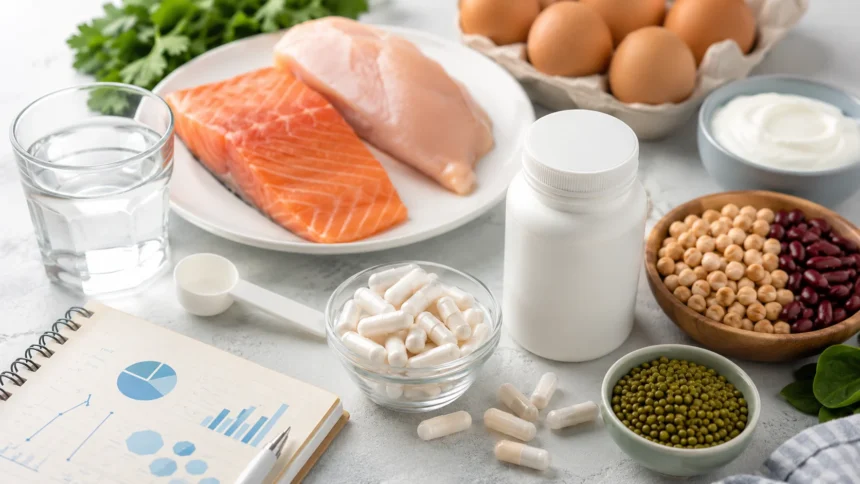
Animal-derived protein foods are generally rich sources of lysine because they contain all essential amino acids in useful proportions. Meat, poultry, fish, eggs, milk, yogurt, and cheese can contribute substantial amounts to daily intake. People do not need to consume animal products to obtain enough lysine, however. Soy foods, lentils, beans, peas, and several other legumes are particularly useful plant sources. A varied diet containing sufficient protein can generally supply lysine alongside other indispensable amino acids. Focusing on overall dietary quality is usually more practical than calculating the lysine content of every meal. The balance of essential amino acids over the day is more important than obtaining all of them from one individual food.
Plant-based eaters can meet lysine needs when diets are planned with appropriate protein sources. Legumes are particularly valuable because many grains contain less lysine relative to human requirements, whereas beans, lentils, peas, and soy tend to provide more. Traditional combinations such as grains and legumes therefore complement each other nutritionally even though they do not need to be eaten at exactly the same meal. Tofu, tempeh, soy milk, chickpeas, kidney beans, black beans, and lentils can all contribute useful lysine. Nuts and seeds provide protein as well but may not be as lysine-dense as legumes. Variety remains important because different plant foods supply different combinations of amino acids, minerals, fiber, and other nutrients.
For adults aged 19 years and older, the National Academies lists a lysine recommended intake of approximately 38 milligrams per kilogram of body weight per day. For a person weighing 70 kilograms, that translates to about 2,660 milligrams, or 2.66 grams, of lysine from the total daily diet. This number is a nutritional requirement, not a recommendation to take a 2.66-gram lysine supplement. Protein-rich foods already contribute lysine toward that amount, and most people eating sufficient protein do not need to calculate it separately. Requirements also differ with age and physiological circumstances. Pregnancy and childhood have their own weight-based recommendations because growth and tissue development influence amino-acid needs.
True dietary lysine deficiency generally occurs as part of inadequate protein or an unbalanced diet rather than appearing as an isolated deficiency in someone eating normally. Possible consequences of inadequate essential amino-acid intake can include impaired growth, reduced muscle maintenance, poor recovery, and broader signs of protein malnutrition. These symptoms are nonspecific and can result from many medical or nutritional problems. A blood amino-acid test is not a routine wellness test for deciding whether someone should purchase lysine supplements. People concerned about malnutrition, unexplained weight loss, restrictive diets, or poor growth should seek nutritional or medical assessment. Addressing the overall dietary pattern is usually more useful than adding one amino acid without understanding the underlying problem.
Food has an important advantage over isolated lysine supplements because protein-rich foods supply many nutrients at the same time. Fish may provide omega-3 fats and micronutrients, dairy products can provide calcium, legumes contribute fiber and minerals, and soy foods supply complete plant protein. Supplements provide a concentrated amount of one nutrient without recreating this broader nutritional package. That can be useful when there is a specific reason to supplement, but it should not automatically be considered nutritionally superior. People interested in increasing lysine intake can often begin by improving protein variety. This food-first approach also reduces the likelihood of consuming unnecessarily large doses that may cause digestive discomfort.
L-Lysine Dosage and How to Take It
There is no universal L-lysine supplement dosage that has been established for every advertised use. The amount required nutritionally is usually obtained through normal dietary protein, while supplement doses used in clinical research vary substantially. Cold-sore studies, for example, have tested daily amounts ranging from several hundred milligrams to roughly three grams or more. Different doses have produced inconsistent results, which makes it inappropriate to present one number as a proven therapeutic standard. The serving printed on a supplement label is also a manufacturer’s recommendation rather than proof that the amount is necessary. People should identify why they are taking lysine before deciding whether supplementation is worthwhile at all.
For basic nutrition, adults should think in terms of total dietary lysine rather than an additional supplement target. The National Academies’ adult recommendation of approximately 38 milligrams per kilogram per day already includes lysine obtained from food. A 70-kilogram adult would therefore have an estimated dietary target of about 2.66 grams daily, which can readily be supplied by a protein-adequate diet. Taking that same amount again as a supplement could substantially increase total intake without providing an established additional benefit. Nutritional requirements should not be confused with therapeutic dosing. Someone eating poorly may benefit more from addressing total calories, protein quality, and dietary variety than from simply adding a capsule.
Cold-sore supplement products commonly provide several hundred milligrams to one gram per serving, but research does not establish a guaranteed effective dose. The evidence review on herpes simplex found that doses below one gram daily appeared ineffective under the conditions studied, while doses above three grams were associated with better subjective experiences in some research. The authors nevertheless emphasized the need for stronger controlled studies. This means three grams should not be interpreted as a universally recommended daily dose. Individual medical conditions, total dietary intake, and the duration of use still matter. People with frequent herpes outbreaks may receive more predictable benefit from discussing antiviral therapy rather than continually increasing supplement quantities.
L-lysine can generally be found in capsules, tablets, powders, and occasionally liquid or topical products. Oral products may be taken with or without food depending on label instructions and individual digestive tolerance. Someone who experiences nausea or stomach discomfort may find taking the supplement with food easier, provided the manufacturer does not instruct otherwise. Dividing a larger daily amount into smaller servings may also reduce gastrointestinal discomfort for some people. Consumers should use one clearly labeled product rather than combining several supplements that contain hidden additional lysine. Keeping track of total daily intake becomes more important as doses rise because side effects tend to become a greater concern with excessive supplementation.
Duration matters alongside dosage because safety data from a short study cannot automatically guarantee safety during years of continuous supplementation. A systematic review evaluated clinical studies involving a wide range of doses and treatment periods and found gastrointestinal complaints to be the main observed adverse effects. The investigators proposed six grams per day as a provisional no-observed-adverse-effect level for healthy humans based on available clinical evidence. This is not the same as an official recommended upper intake level or a suggested supplement dose. People should not deliberately consume six grams simply because a review found no clear adverse effect at that threshold. The lowest amount that achieves a justified goal is generally a more cautious supplement strategy.
L-Lysine Side Effects and Safety
The most commonly reported side effects of oral L-lysine supplementation involve the gastrointestinal system. People may experience nausea, abdominal discomfort, stomachache, cramping, or diarrhea, particularly when consuming larger amounts. These symptoms are usually described as mild in clinical research, but they can become disruptive if a dose is poorly tolerated. Digestive reactions may occur because large quantities of amino acids remain within the gastrointestinal tract or alter normal absorption processes. Reducing the amount or discontinuing the supplement may resolve mild symptoms. Severe abdominal pain, persistent vomiting, significant diarrhea, or symptoms of dehydration should receive medical attention rather than being managed by repeatedly changing supplement doses.
A 2020 systematic review examined 71 clinical studies involving more than three thousand participants who consumed supplemental L-lysine. Doses across the studies ranged widely, reaching considerably higher amounts than typical consumer servings in some experiments. Gastrointestinal complaints were the principal adverse effects identified, and the authors developed a provisional safety estimate based on those findings. However, clinical trials often exclude people with complex health problems and may not detect rare adverse reactions. The review therefore provides useful reassurance for healthy adults at studied intakes without proving that unlimited supplementation is safe. Supplement safety should always be interpreted according to dose, duration, age, medical history, and concurrent medication use.
Kidney health deserves particular caution because amino acids are processed through metabolic pathways that ultimately involve renal handling of waste products and related compounds. A published case report described severe kidney injury and Fanconi syndrome in association with L-lysine ingestion, eventually progressing to chronic renal failure. A single case report cannot establish how frequently this occurs or prove that ordinary supplement doses commonly damage healthy kidneys. It does, however, demonstrate why claims that amino-acid supplements are incapable of serious adverse effects should be avoided. People with existing kidney disease should not begin high-dose lysine supplementation without discussing it with their nephrologist or healthcare professional. Unusual swelling, reduced urination, or severe illness during supplement use warrants evaluation.
People sometimes assume that L-lysine is automatically safe because it naturally occurs in food. The amount consumed through supplements can be very different from the amount delivered gradually within meals containing protein. Concentrated nutrients can create biological exposures that ordinary food patterns do not normally produce. This distinction applies to many vitamins, minerals, herbal compounds, and amino acids. A food being necessary for health does not mean unlimited quantities of an isolated nutrient are beneficial. Consumers should therefore treat high-dose amino-acid supplements with the same respect they would give other concentrated dietary products, particularly when using them continuously or combining them with several additional supplements.
Supplement quality can also influence safety because dietary products may vary in purity, labeling accuracy, and manufacturing standards. Choosing a reputable manufacturer with transparent ingredient information and independent quality testing can reduce the risk of contamination or incorrect dosing. Consumers should check whether the listed amount refers to elemental L-lysine or a specific form such as L-lysine hydrochloride when comparing products. Combination supplements may contain vitamins, minerals, herbs, or other amino acids that introduce additional side effects. A reaction experienced after taking a multi-ingredient product cannot automatically be blamed on lysine alone. Simpler formulations make it easier to understand exactly what is being consumed and identify possible causes if symptoms develop.
Who Should Be Careful With L-Lysine Supplements?
People with kidney disease should be particularly cautious about high-dose L-lysine supplements. Chronic kidney disease can alter the way the body handles protein-related metabolites, electrolytes, fluids, and medications. Supplement use that is harmless for a healthy person may therefore have different consequences when kidney function is impaired. A historical case report linking lysine supplementation with serious renal injury adds another reason for conservative use in this population, even though rare reports cannot determine general risk by themselves. Patients receiving dialysis or following medically prescribed protein restrictions should never change amino-acid intake independently. Their nephrologist or renal dietitian can determine whether any specific supplement fits safely within the treatment plan.
People with liver disease should also discuss concentrated amino-acid products with their healthcare team before regular use. The liver plays a central role in amino-acid metabolism and nitrogen handling, and significant liver disease can alter these processes. That does not mean lysine automatically causes liver damage, but it means generalized dosing advice designed for healthy adults may not apply. Patients with cirrhosis or other serious liver conditions frequently have individualized nutritional requirements. Adding several grams of one amino acid without professional guidance can make an already complicated dietary plan more difficult to manage. Supplements should support the medical nutrition strategy rather than operate separately from it.
Pregnant and breastfeeding individuals should take a conservative approach because high-dose supplemental lysine has not been studied as extensively as ordinary dietary lysine in these populations. Lysine is essential during pregnancy, and the National Academies provides higher weight-based dietary recommendations to support maternal and fetal needs. Meeting those requirements through adequate protein is different from using large supplemental doses for cold sores or other unproven purposes. Pregnancy can also change kidney function, digestion, medication use, and nutritional needs. A prenatal care professional can determine whether supplementation is necessary and review the specific product. Essential nutrients remain essential during pregnancy, but unnecessary megadoses should not be assumed safe simply because the nutrient naturally occurs in food.
Children and adolescents require lysine for normal growth, but supplement dosing should not simply be copied from adult products. Nutritional requirements vary substantially with age and body size, and children often obtain adequate lysine through normal food. A recent review discussing lysine supplementation in young people emphasized both potential nutritional roles and the need for caution around excessive intake. Children with restrictive diets, poor growth, food insecurity, or suspected nutritional deficiencies should receive appropriate dietary assessment rather than unsupervised high-dose supplements. Pediatricians and registered dietitians can evaluate whether overall protein or specific amino-acid intake is inadequate. Giving a child an adult-strength supplement without a clear reason may provide unnecessary exposure without established benefit.
Anyone taking prescription medications or multiple dietary supplements should also make sure a clinician or pharmacist knows about regular L-lysine use. Even when a specific drug interaction has not been firmly established, health professionals need a complete list of products to interpret side effects and laboratory results accurately. This is especially important before surgery or when treatment plans involve kidney function, fluid balance, or complex chronic disease management. People should also avoid replacing prescribed antiviral medication with lysine without discussing the change with their healthcare professional. A supplement may be complementary in certain circumstances, but it is not automatically equivalent to a medicine tested specifically for the disease being treated. Transparent communication makes supplement use safer.
How to Choose and Use an L-Lysine Supplement
The first step before purchasing an L-lysine supplement is deciding what specific outcome you expect from it. Someone with a medically diagnosed nutritional deficiency has a different reason for supplementation than someone hoping to prevent occasional cold sores. If the goal is general protein support, improving the diet may provide greater value because food supplies all essential amino acids rather than lysine alone. If the goal is herpes prevention, the evidence should be understood as mixed instead of guaranteed. Clear goals make it easier to determine whether continued supplementation is worthwhile. They also prevent people from taking a product indefinitely simply because its marketing describes broad benefits for immunity, energy, skin, muscles, and bones.
A supplement label should clearly state the amount of L-lysine in each serving and the number of servings recommended per day. Consumers should also check whether the product contains L-lysine hydrochloride, pure L-lysine, or additional active ingredients. Comparing only the front of different bottles can be misleading because serving sizes may contain one, two, or several capsules. Higher milligram numbers are not automatically better, especially when research does not establish a clear dose-response relationship for the intended use. Transparent labels make total daily intake easier to calculate. Products that hide ingredient quantities inside proprietary blends are generally less useful when someone wants to control exactly how much lysine they consume.
Quality testing is another important consideration because supplements are not interchangeable simply because the ingredient names match. Third-party certification can help verify identity, potency, and certain contamination standards, although certification does not prove that the supplement will provide the advertised health benefit. Consumers should be cautious about products claiming to cure herpes, eliminate viruses, rapidly build muscle, reverse osteoporosis, or dramatically strengthen immunity. Those claims go well beyond the evidence supporting nutritional lysine. Scientific-looking packaging and complicated terminology do not substitute for controlled human research. Reputable companies generally provide realistic directions and safety information rather than implying that one amino acid can solve numerous unrelated health problems.
People trying lysine for a specific purpose should consider tracking whether it actually makes a meaningful difference. Someone with recurrent cold sores could record the number of outbreaks, severity, healing time, potential triggers, and supplement use over several months. This provides more useful information than relying on memory after one unusually good or bad episode. However, changes should still be interpreted cautiously because herpes outbreaks naturally vary in frequency. If the supplement produces no noticeable benefit, continuing indefinitely may offer little value. Persistent or frequent outbreaks should prompt discussion of antiviral treatments with stronger clinical evidence rather than repeatedly increasing the lysine dosage.
The most practical approach to L-lysine is therefore to begin with adequate dietary protein and use supplements selectively rather than automatically. Lysine is unquestionably important to normal health because it is an essential amino acid, but that nutritional importance should not be confused with proof for every supplemental claim. Evidence for recurrent herpes remains mixed, while claims involving muscle building, bone strength, anxiety, immunity, or skin enhancement are not established well enough to justify sweeping promises. Most healthy people tolerate moderate supplemental amounts reasonably well, although gastrointestinal side effects can occur and higher-dose long-term use deserves greater caution. When medical conditions or medications complicate the situation, personalized professional advice is preferable to generic internet dosing recommendations.
Frequently Asked Questions About L-Lysine
What is L-lysine mainly used for?
L-lysine is an essential amino acid required for normal protein synthesis, growth, tissue maintenance, and other metabolic functions. As a supplement, it is most commonly used in an attempt to reduce recurrent cold sores, although clinical evidence for that purpose remains mixed.
How much L-lysine should you take daily?
There is no universal supplemental dose that is proven appropriate for everyone. Adults need about 38 mg of dietary lysine per kilogram of body weight per day, but this requirement normally comes from food and should not be confused with a recommendation to take the same amount as a supplement.
Does L-lysine really help cold sores?
Some clinical studies have reported fewer or less severe herpes outbreaks with particular lysine doses, while other controlled studies found little or no benefit. Overall, the evidence is inconsistent, so L-lysine should not be considered a guaranteed treatment or replacement for proven antiviral medicines.
What are the most common L-lysine side effects?
The most commonly reported side effects involve the digestive system and can include nausea, stomach discomfort, abdominal pain, and diarrhea. Higher supplemental doses are more likely to raise safety concerns, especially when used for long periods or by people with underlying medical conditions.
Who should avoid taking L-lysine without medical advice?
People with kidney disease, significant liver disease, pregnancy, breastfeeding, complex medication regimens, or other major medical conditions should discuss high-dose lysine supplementation with a healthcare professional first. Children should also not receive adult supplement doses unless an appropriate clinician has recommended them.