


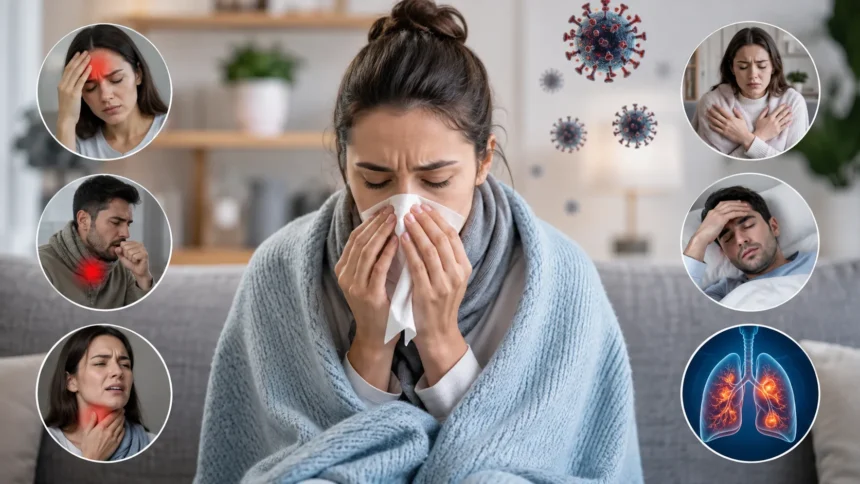
COVID Symptoms: Common Signs & What to Watch For
COVID symptoms can range from barely noticeable discomfort to serious breathing problems, and the way the illness appears can differ considerably from one person to another. COVID-19 is caused by SARS-CoV-2, a respiratory virus that continues to circulate globally and evolve over time. Common symptoms include sore throat, cough, fever or chills, fatigue, congestion, runny nose, headache, and muscle aches. Some people also experience nausea, vomiting, diarrhea, shortness of breath, or changes in taste and smell. Symptoms may overlap closely with influenza, RSV, and the common cold, making it difficult to identify COVID based on symptoms alone. Testing can therefore be useful when knowing the cause could influence treatment, precautions, or decisions about protecting vulnerable people.
Most people who develop COVID-19 experience mild or moderate illness and recover without hospitalization, but serious disease can still occur. Older adults, people with weakened immune systems, and individuals with certain underlying medical conditions generally face greater risk of severe complications. Symptoms can begin mildly and become more noticeable over the following days, so paying attention to changes is important. Trouble breathing, persistent chest pain or pressure, new confusion, or difficulty waking requires urgent medical attention. People at increased risk should also contact a healthcare professional promptly when symptoms begin because antiviral treatment works best when started early. Understanding common COVID signs, warning symptoms, and appropriate next steps can help people respond more confidently if illness develops.
What Are the Most Common COVID Symptoms?
COVID-19 can produce a wide variety of symptoms involving the respiratory system and other parts of the body. According to current CDC guidance, possible COVID symptoms include fever or chills, cough, sore throat, congestion, runny nose, fatigue, muscle or body aches, headache, shortness of breath, nausea, vomiting, diarrhea, and new loss of taste or smell. Not everyone experiences all of these symptoms, and some people may develop only one or two. Others can have a combination that resembles a severe cold or influenza. Symptoms may also differ depending on immunity, previous infections, vaccination status, age, and the virus variant involved. For this reason, there is no single symptom pattern that confirms COVID-19 by itself.
A sore throat has become a familiar complaint among people experiencing respiratory infections, including COVID-19. It may feel scratchy, dry, irritated, or painful when swallowing and can appear alongside congestion or coughing. However, sore throat is extremely common with colds, influenza, allergies, and several other infections, so it cannot reliably identify COVID on its own. Some people notice throat irritation before other symptoms become obvious, while others never experience it. Drinking fluids and using appropriate soothing measures may make mild discomfort easier to tolerate. Severe throat swelling, difficulty swallowing fluids, drooling, or breathing difficulty should receive medical attention because those symptoms may indicate a more serious condition than an uncomplicated viral sore throat.
Cough is another common COVID symptom and can vary from occasional throat clearing to frequent coughing that interferes with sleep or daily activities. Some people experience a dry cough, while others produce mucus, especially if congestion or another respiratory problem is present at the same time. Cough can remain after the worst part of the infection has improved because irritated airways sometimes take additional time to settle. However, a worsening cough accompanied by shortness of breath, chest pain, high fever, confusion, or significant weakness deserves medical assessment. People with asthma, chronic obstructive pulmonary disease, or other lung conditions should pay particular attention to changes from their normal breathing pattern. COVID symptoms should always be interpreted in the context of the person’s overall health.
Fatigue and body aches are also frequently reported and can sometimes be more disruptive than respiratory symptoms. COVID-related fatigue may feel like unusual exhaustion, reduced stamina, sleepiness, or difficulty completing ordinary activities. Muscle aches can affect the back, legs, shoulders, or multiple areas of the body and may occur with fever or chills. These symptoms are also common with influenza, which is another reason symptom patterns alone cannot reliably distinguish the illnesses. Rest, hydration, adequate nutrition, and appropriate symptom relief can help many people with uncomplicated infections recover at home. Persistent or extreme weakness, however, can occasionally signal dehydration, breathing problems, or another complication and should not automatically be dismissed as normal tiredness.
Fever remains an important possible COVID sign, although many infected people never develop a measurable fever. A person may instead experience chills, sweating, or a feeling of being unusually warm or cold. Fever is part of the body’s immune response to infection and can occur with many respiratory viruses, not only SARS-CoV-2. Temperature measurements can provide useful information when monitoring illness, particularly if fever is persistent or returns after initially improving. People with underlying medical conditions, older adults, and very young children may require more individualized advice about fever. The overall pattern matters more than any single temperature reading, especially when breathing difficulty, dehydration, confusion, or other concerning symptoms are present.
Early COVID Symptoms and How They May Start
Early COVID symptoms can sometimes appear similar to an ordinary cold, making the infection difficult to recognize during its first stage. A person may initially notice mild throat irritation, congestion, headache, fatigue, sneezing, cough, or a general feeling that something is not quite right. Fever may appear at the beginning, later in the illness, or not at all. Some people experience muscle aches or chills before respiratory symptoms become prominent. Others develop gastrointestinal complaints such as nausea or diarrhea alongside respiratory symptoms. Because SARS-CoV-2 can produce such a broad range of presentations, there is no universal first symptom. Testing can be particularly helpful when symptoms overlap with other circulating respiratory illnesses.
Symptoms do not necessarily begin immediately after exposure. CDC information notes that COVID symptoms may appear between about 2 and 14 days after exposure, although the exact timing can vary. This means someone can feel completely well for a period after becoming infected and only later develop recognizable symptoms. Exposure timing can also be difficult to determine because people may encounter the virus in several places or from someone who does not realize they are infected. A recent known exposure can increase suspicion when compatible symptoms appear, but the absence of a known exposure does not rule COVID out. Community transmission allows infections to occur without an obvious contact.
The intensity of early symptoms does not always predict how the entire illness will progress. Some people begin with very mild congestion and recover without developing anything more significant. Others initially feel mildly unwell but experience worsening cough, fever, or breathing difficulty over the following days. This possibility is one reason symptom monitoring is important, especially for people at increased risk of severe disease. A simple daily check of temperature, breathing, hydration, and overall ability to perform normal activities can help identify meaningful changes. People should contact a healthcare professional when symptoms become concerning rather than waiting for every possible COVID sign to appear. Serious symptoms can develop without following a predictable sequence.
Loss or alteration of smell and taste received considerable attention earlier in the pandemic because it was relatively distinctive compared with ordinary respiratory symptoms. Changes in smell or taste can still occur with COVID-19, but they are only one possible symptom and may not appear in every infection. Congestion itself can also temporarily reduce someone’s ability to smell or taste normally. Sudden changes without significant nasal blockage can therefore be notable, but testing is still needed if confirming COVID matters. Most sensory changes improve, although recovery time varies between individuals. Persistent smell or taste problems after the acute infection has resolved can affect appetite and quality of life and may warrant discussion with a healthcare professional.
People who develop mild symptoms should avoid assuming they are “just allergies” or “just a cold” when circumstances make COVID or another contagious infection possible. Allergies commonly cause sneezing, itchy eyes, and runny nose but usually do not produce fever or significant muscle aches. Even so, symptoms can overlap enough that self-diagnosis remains imperfect. Respiratory-virus testing can help distinguish COVID or influenza when results will affect treatment or decisions about contact with others. This is especially important before visiting older relatives, immunocompromised individuals, or people with significant health conditions. Early recognition is useful not because every mild symptom is dangerous, but because it creates an opportunity to reduce spread and seek treatment promptly when appropriate.
Respiratory COVID Symptoms to Watch
COVID primarily behaves as a respiratory infection, so cough, nasal symptoms, throat irritation, and breathing changes are among its most recognizable features. Congestion may create pressure or a blocked feeling in the nose, while a runny nose can produce clear or thicker nasal drainage. Sneezing can occur as well, although it is not specific to COVID. These upper respiratory symptoms can be indistinguishable from those caused by common cold viruses. Some individuals experience mainly symptoms above the chest and recover relatively quickly. Others develop lower respiratory involvement, which can produce more significant coughing, chest discomfort, or shortness of breath. Changes in breathing deserve greater attention than ordinary nasal congestion because they can indicate more serious illness.
Shortness of breath can feel different from person to person. Some describe difficulty getting a full breath, unusual breathlessness while walking, rapid breathing, or the need to stop during activities that are normally easy. Others may notice breathlessness even while resting. Anxiety can sometimes produce similar sensations, but new breathing difficulty during a suspected or confirmed COVID infection should never automatically be attributed to stress. Trouble breathing is listed by the CDC as an emergency warning sign when severe or concerning. People who cannot speak comfortably because of breathlessness, appear severely distressed, or develop rapidly worsening breathing should receive emergency medical care. Respiratory deterioration is one of the most important COVID symptoms to recognize quickly.
Chest tightness or discomfort can occur during respiratory infections because coughing and inflammation place stress on muscles and airways. Mild soreness that clearly occurs after repeated coughing may have a relatively straightforward explanation, but persistent pain or pressure in the chest should be treated more seriously. COVID can affect the lungs and cardiovascular system, and chest symptoms can also result from unrelated medical emergencies. A person experiencing severe, persistent, unexplained, or worsening chest discomfort should not try to determine the cause solely through internet symptom lists. Emergency evaluation may be necessary, particularly when chest pressure accompanies trouble breathing, faintness, sweating, confusion, or blue or gray discoloration. Prompt assessment is safer than waiting to see whether serious chest symptoms disappear.
Pneumonia is one possible complication of COVID-19 and involves inflammation within the lungs. Symptoms may include worsening cough, fever, shortness of breath, rapid breathing, chest discomfort, and profound fatigue, although presentation varies. Pneumonia cannot be diagnosed reliably from symptoms alone because a healthcare professional may need to assess breathing, oxygen levels, lung sounds, or imaging when appropriate. People at higher risk of severe COVID should have a lower threshold for contacting their healthcare provider if respiratory symptoms are progressing. Home treatment may remain appropriate for many mild cases, but worsening breathing should not be managed simply by adding more over-the-counter medication. The key distinction is whether symptoms are stable and manageable or becoming progressively more difficult.
Some people use a pulse oximeter at home to estimate blood oxygen saturation, particularly when they have respiratory symptoms. These devices can provide useful information in certain circumstances but should not replace attention to how someone actually feels. CDC clinical guidance notes that pulse oximeters can sometimes miss low oxygen levels, and accuracy can vary, including with factors such as skin pigmentation, device quality, circulation, and measurement technique. Smartphone-based oxygen readings may also be unreliable. Someone experiencing obvious breathing distress should seek medical help even when a home device appears reassuring. Similarly, unusual or persistently low readings should be discussed with a healthcare professional rather than interpreted without clinical context.
Other COVID Symptoms Beyond the Airways
COVID can affect more than the nose, throat, and lungs, which is why some people experience symptoms that initially seem unrelated to a respiratory virus. Headache is a common example and may occur with fever, dehydration, congestion, muscle aches, or general viral inflammation. The pain can be mild or more intense and may affect the forehead, temples, or entire head. Headaches also occur with influenza, migraine, sinus problems, stress, and many other conditions, making them nonspecific. Adequate fluids, rest, and appropriate pain relief may help uncomplicated viral headaches. A sudden severe headache, neurological weakness, confusion, fainting, stiff neck, or other unusual neurological symptoms should receive medical attention rather than being assumed to be ordinary COVID discomfort.
Digestive symptoms can occur during COVID infections even when respiratory complaints are mild. Nausea, vomiting, abdominal discomfort, reduced appetite, and diarrhea have all been reported. These symptoms can increase the risk of dehydration, particularly when fever is also present or a person is unable to drink normally. Small, frequent amounts of fluid may be easier to tolerate when nausea is present, although people with medical conditions requiring fluid restrictions should follow individualized advice. Signs of significant dehydration can include very little urination, dizziness, dry mouth, unusual sleepiness, or weakness. Persistent vomiting, severe abdominal pain, blood in stool or vomit, or inability to keep fluids down should prompt medical evaluation because those symptoms can have causes beyond uncomplicated COVID.
Changes in appetite are also relatively common during viral illness. Food may seem less appealing because of fatigue, nausea, congestion, fever, or changes in smell and taste. Eating less for a short period is usually manageable for otherwise healthy adults who can continue drinking fluids, but prolonged poor intake can contribute to weakness and dehydration. Older adults and people with chronic illnesses may be more vulnerable to nutritional problems during infection. Simple foods that are easy to tolerate can be useful while appetite is reduced. People should not force large meals when nauseated, but they should pay attention to their ability to drink and maintain basic nutrition. Significant weight loss or prolonged inability to eat deserves medical advice.
Dizziness or light-headedness can occur during COVID but is not unique to the infection. Fever, dehydration, lack of food, prolonged bed rest, blood pressure changes, or medication effects can contribute. People should rise slowly after lying down and avoid driving or operating equipment when significantly dizzy. Persistent dizziness accompanied by fainting, severe weakness, chest pain, breathing problems, neurological symptoms, or inability to walk normally requires medical attention. Older adults should be particularly cautious because dizziness can increase fall risk. When an illness produces several symptoms at once, it is easy to assume every new complaint comes from the virus. A healthcare professional can help determine whether another condition or medication may be contributing.
Sleep disturbance and difficulty concentrating can also accompany acute illness and sometimes continue after the infection appears to have resolved. Fever, coughing, congestion, stress, and disrupted routines can interfere with sleep during the initial infection. Poor sleep can then worsen fatigue, headaches, and concentration problems the following day. Some people describe temporary “brain fog,” including slower thinking or trouble focusing. Persistent cognitive or sleep symptoms can also occur as part of post-COVID conditions in some individuals. People whose concentration difficulties interfere significantly with work, school, driving, or everyday safety should discuss them with a healthcare professional, especially when symptoms continue beyond the expected recovery period or occur with other neurological changes.
COVID Symptoms vs Cold, Flu and RSV
COVID-19 and the common cold can look remarkably similar because both can cause sore throat, congestion, runny nose, cough, fatigue, and headache. A mild COVID infection may therefore feel exactly like an ordinary cold during the first few days. Fever and significant body aches can occur with COVID but may be less common with routine colds, while itchy eyes and repetitive sneezing may point more toward allergies. These tendencies are not reliable enough for diagnosis, however. Multiple viruses circulate at the same time, and people can occasionally have more than one infection. When knowing the cause matters, testing provides more useful information than attempting to identify the virus from symptoms alone.
Influenza often causes fever, chills, headache, fatigue, body aches, cough, and sore throat, which overlap extensively with COVID symptoms. Flu sometimes begins abruptly, with people describing a rapid transition from feeling normal to feeling very ill within hours. COVID can also begin quickly, however, so timing alone cannot reliably separate the two infections. CDC specifically notes that influenza and COVID cannot be distinguished by symptoms alone because the illnesses share many signs. Some laboratory tests can test for both viruses simultaneously, while other tests evaluate them separately. Early identification can matter for higher-risk patients because antiviral treatments are available for both illnesses and work best when started promptly.
Respiratory syncytial virus, commonly known as RSV, is another respiratory infection that can overlap with COVID. RSV can cause runny nose, coughing, sneezing, fever, reduced appetite, and sometimes wheezing or difficulty breathing. Many healthy adults experience relatively mild illness, while infants, older adults, and certain high-risk individuals can develop more significant respiratory disease. Because RSV, influenza, COVID, and common cold viruses can circulate during the same periods, symptom-based guessing becomes even less dependable. Age and medical history can influence which infection is more concerning, but testing and clinical evaluation may be needed when symptoms are significant. Severe breathing problems deserve urgent attention regardless of which virus is responsible.
Loss of taste or smell may increase suspicion for COVID because the symptom became strongly associated with SARS-CoV-2 during earlier stages of the pandemic. However, it should not be used as a required sign because many current COVID cases occur without obvious smell or taste changes. Other respiratory infections can also alter these senses when nasal congestion blocks airflow to smell receptors. Likewise, someone who still smells and tastes normally can absolutely have COVID. The pattern of symptoms changes as viral variants and population immunity evolve. This is why health guidance generally emphasizes the entire clinical picture and testing rather than relying on one “signature” symptom. Absence of a particular symptom should not create false reassurance.
The practical approach is to treat significant respiratory symptoms responsibly while determining whether testing or medical care is needed. Someone who is sick should reduce the chance of spreading illness to others, especially vulnerable people, regardless of whether the cause is COVID, influenza, RSV, or another virus. Staying home while acutely ill, improving indoor ventilation, practicing good hygiene, and using a well-fitting mask around others can reduce transmission risk. Medical advice becomes particularly important for people who are more likely to experience severe complications. Focusing only on the name of the virus can distract from what matters most: symptom severity, individual risk, appropriate treatment, and preventing spread to other people.
COVID Symptoms in Children, Older Adults and High-Risk People
Children can develop many of the same COVID symptoms as adults, including fever, cough, sore throat, congestion, fatigue, headache, body aches, vomiting, and diarrhea. Some children experience extremely mild illness, while others may become more noticeably unwell. Young children cannot always explain symptoms clearly, so caregivers may need to watch behavior as well as verbal complaints. Reduced feeding, fewer wet diapers, unusual sleepiness, irritability, or difficulty breathing can provide important clues. CDC respiratory-virus guidance identifies fast or difficult breathing, dehydration, lack of alertness, seizures, and certain high fevers among warning signs requiring immediate medical attention in children. Caregivers should seek professional advice whenever a child’s condition appears severe or rapidly worsening.
Infants deserve particular caution because they can become dehydrated or develop breathing difficulties more quickly than older children. Caregivers should watch whether the baby is feeding normally, producing wet diapers, waking appropriately, and breathing comfortably. Ribs visibly pulling inward with breaths, blue or gray color around the lips, extreme sleepiness, or inability to feed are concerning signs. Fever in very young infants also requires prompt medical advice because recommendations differ from those for older children. Parents should not rely solely on a home COVID test when the child looks seriously unwell. The urgency of care depends on the child’s condition, not simply whether SARS-CoV-2 has been confirmed.
Older adults may experience typical COVID symptoms such as cough and fever, but the presentation can sometimes be less obvious. Weakness, reduced appetite, dizziness, confusion, or a sudden decline in normal activity may be particularly important signs in older people. Some may not develop a high fever even when significantly ill. Existing heart, lung, neurological, kidney, or metabolic conditions can also make recovery more complicated. Because age itself increases the risk of severe COVID outcomes, older adults should contact a healthcare professional early when compatible symptoms develop. Current CDC treatment guidance particularly emphasizes advancing age as an important risk factor, with risk increasing substantially among older populations.
People with weakened immune systems or certain chronic medical conditions may also face greater risk from COVID. Conditions affecting the heart or lungs, significant immune suppression, and several other medical problems can increase the chance that an initially mild infection becomes more serious. Risk varies considerably, so people should follow individualized advice from their healthcare professionals rather than assuming every medical condition creates the same level of danger. Vaccination history and previous infections can also influence immune protection without eliminating the possibility of severe disease completely. High-risk individuals should generally seek medical guidance early rather than waiting until symptoms become severe because treatment options have limited windows in which they are most effective.
Pregnant people should also communicate with their maternity or healthcare team when they develop significant COVID symptoms or have concerns about their individual risk. Pregnancy changes cardiovascular, respiratory, and immune physiology, which can influence how certain infections affect the body. Symptoms such as difficulty breathing, persistent chest pain, severe dehydration, confusion, or other emergency warning signs require urgent assessment regardless of pregnancy status. Pregnant patients should also seek care for pregnancy-specific warning symptoms such as significantly reduced fetal movement when relevant, bleeding, or other concerns directed by their maternity team. Medications, including over-the-counter symptom treatments, should be selected carefully during pregnancy because not every product is appropriate for every stage or individual.
Emergency COVID Symptoms and When to Seek Help
Trouble breathing is one of the most important emergency warning signs associated with COVID-19. A person may appear unable to catch their breath, breathe unusually quickly, struggle to speak normally, or become breathless while resting. Severe respiratory distress can indicate that the lungs are not exchanging oxygen effectively or that another complication has developed. Waiting for the symptom to become unbearable can be dangerous. Emergency medical care should be obtained when breathing difficulty is severe, rapidly worsening, or clearly outside the person’s normal experience. People with chronic respiratory diseases should compare symptoms with their typical baseline while following the emergency plan provided by their healthcare team.
Persistent pain or pressure in the chest is another warning sign that requires urgent attention. Chest symptoms can arise from coughing or strained muscles, but they can also indicate lung, heart, or circulation complications that cannot be distinguished safely at home. Pain may feel like heaviness, squeezing, pressure, burning, or another unusual sensation. A person should be especially cautious when chest discomfort occurs with difficulty breathing, sweating, faintness, confusion, or severe weakness. Emergency services can assess heart rhythm, oxygenation, blood pressure, and other important factors quickly. People should not delay care because they are unsure whether the chest symptoms are “really from COVID.” The underlying cause matters less than obtaining timely evaluation when potentially serious warning signs are present.
New confusion, unusual drowsiness, or inability to wake or stay awake can indicate serious illness and should be treated as an emergency. These symptoms may occur when oxygen levels are low or when infection, dehydration, neurological problems, medication effects, or other complications affect brain function. Family members often recognize these changes sooner than the ill person does. Someone who is normally alert but suddenly becomes disoriented, difficult to wake, or unable to communicate appropriately needs immediate medical assessment. These warning signs are especially important in older adults, who may sometimes present with confusion rather than dramatic respiratory complaints. A sudden mental-status change should never be dismissed as ordinary tiredness from a viral infection.
Changes in skin, lips, or nail-bed color can also indicate inadequate oxygenation. Depending on a person’s natural skin tone, the appearance may be pale, gray, or blue rather than a single obvious color. Lighting conditions can make color assessment difficult, which is why people should also pay attention to breathing, alertness, and overall condition. A person who looks severely unwell or appears to have abnormal coloration should receive emergency evaluation. Home pulse oximeters can sometimes provide additional information, but they are not perfect and should not overrule obvious clinical distress. If someone is struggling to breathe or becoming confused, emergency care is appropriate even if a consumer device appears to show a reassuring oxygen level.
Emergency warning lists are not exhaustive, and other severe or rapidly worsening symptoms can also require immediate medical attention. Seizures, collapse, signs of severe dehydration, major weakness, or symptoms that improve and then return dramatically may warrant urgent evaluation depending on circumstances. People should trust significant changes in overall condition rather than waiting for a symptom to match a checklist perfectly. Local emergency numbers and healthcare systems differ by country, so individuals should use the appropriate service in their location. When possible, inform emergency personnel that COVID or another respiratory infection is suspected so appropriate precautions can be taken. The safest approach is to seek urgent help when symptoms suggest that breathing, circulation, consciousness, or basic body functions may be compromised.
Testing and What to Do When COVID Symptoms Appear
Testing can help determine whether COVID-19 is responsible for symptoms, particularly because it can be difficult to distinguish COVID from influenza or other respiratory illnesses based solely on how someone feels. Rapid antigen tests provide convenient results but can miss an infection, especially early in the illness when viral levels may still be low. A negative antigen result therefore does not always mean COVID is absent. CDC guidance recommends following current repeat-testing recommendations when an antigen test is negative but infection remains possible. Molecular tests such as PCR or other nucleic acid amplification tests can be more sensitive. Testing is especially valuable when the result could affect treatment eligibility or decisions about contact with vulnerable people.
People who feel sick should reduce close contact with others while their respiratory symptoms are active, particularly around individuals at greater risk of severe disease. Current CDC respiratory-virus guidance emphasizes staying home when sick and taking additional precautions as recovery begins. Cleaner indoor air, good hygiene, physical distancing where appropriate, and a well-fitting mask can provide additional protection when interaction with other people cannot be avoided. These measures are useful beyond COVID because influenza, RSV, and other respiratory viruses can also spread through close contact and shared indoor air. Local public-health rules may differ by country or setting, especially in healthcare facilities. People should follow applicable guidance where they live and work.
Most otherwise healthy people with mild COVID symptoms can focus on supportive care while monitoring their condition. Rest and adequate fluid intake are basic priorities, particularly when fever, diarrhea, or reduced appetite increases fluid loss. Appropriate over-the-counter medications may help with fever, headache, body aches, or congestion, but they should be used according to label directions and individual health considerations. People with kidney disease, liver disease, ulcers, pregnancy, medication interactions, or other medical concerns should ask a healthcare professional or pharmacist which products are appropriate. Antibiotics do not treat COVID because the disease is caused by a virus rather than bacteria. A bacterial complication requires separate medical assessment rather than preventive antibiotic use without a diagnosis.
People at increased risk of severe COVID should contact a healthcare professional promptly, even when early symptoms seem mild. Current CDC guidance states that antiviral treatments for eligible higher-risk patients need to begin within approximately five to seven days after symptoms start, depending on the medication. Waiting until someone becomes severely ill may therefore mean missing the period when outpatient treatment can be started. Older age, weakened immunity, and certain medical conditions can increase treatment eligibility, although medication interactions and kidney or liver function may affect which option is appropriate. A clinician or pharmacist can review individual factors and recommend the safest treatment strategy.
Monitoring symptoms during recovery is just as important as taking the initial test. A person should notice whether fever is improving, breathing remains comfortable, fluid intake is adequate, and normal activities gradually become easier. Symptoms that worsen significantly after initial improvement may justify medical evaluation because secondary infections or other complications can occur after respiratory illnesses. High-risk patients may need closer follow-up even when they appear stable. People should also avoid returning immediately to demanding exercise if they remain unusually weak, dizzy, breathless, or feverish. Recovery speed differs between individuals, and attempting to force a rapid return to normal activity can make it harder to recognize symptoms that still require attention.
How Long COVID Symptoms Can Last
The duration of acute COVID symptoms varies widely. Some people experience a few days of mild upper respiratory symptoms and then improve quickly, while others remain tired, congested, or bothered by coughing for considerably longer. Fever and severe body aches may improve before cough or fatigue disappear completely. Recovery time also depends on age, underlying health, severity of the infection, and whether complications develop. People should look for a general trend toward improvement rather than expecting every symptom to vanish simultaneously. A lingering mild cough can occur after several respiratory viruses because the airways remain irritated. However, symptoms that are worsening rather than gradually improving deserve medical attention.
Fatigue is one symptom that may persist beyond the period of obvious fever or congestion. Someone may feel well enough to return to routine activities but discover that ordinary work, exercise, or household tasks require more effort than expected. Gradually increasing activity may be more comfortable than immediately returning to a full schedule, particularly after a more significant illness. Persistent fatigue can have many causes, including sleep disruption, anemia, thyroid problems, medication effects, and other infections, so prolonged tiredness should not automatically be attributed to COVID forever. A healthcare professional may recommend further assessment when symptoms persist, significantly affect daily life, or are accompanied by additional concerns.
Long COVID, also called post-COVID condition, refers to ongoing or new health problems that continue after the acute SARS-CoV-2 infection. Symptoms can include fatigue, breathlessness, cognitive difficulties, sleep problems, persistent cough, chest discomfort, altered smell or taste, and other complaints. These problems can fluctuate, improve, worsen, or appear after someone initially seemed to recover. WHO’s current information continues to recognize post-COVID condition as an important health issue, and its August 2026 global risk assessment notes that SARS-CoV-2 remains capable of causing long-term health consequences as well as acute disease. Long COVID can occur after infections of different initial severity, although individual risk varies.
People experiencing prolonged symptoms should seek medical evaluation rather than trying to diagnose long COVID solely through an online checklist. Other conditions can produce similar fatigue, breathlessness, chest discomfort, dizziness, or concentration difficulties and may require separate treatment. Clinicians can review the timing of symptoms, medical history, physical examination, and appropriate testing to rule out alternative explanations. Management often focuses on the individual’s most disruptive symptoms and functional limitations because post-COVID presentations are diverse. Some people improve gradually over time, while others require longer-term rehabilitation or specialist support. Tracking symptoms and activity patterns can help healthcare professionals understand how the condition affects everyday life and whether particular activities consistently trigger worsening.
The possibility of persistent symptoms is also a reminder that recovering from COVID should not be judged only by whether the initial infection required hospitalization. A person may experience a mild acute illness but still notice lingering limitations afterward. Conversely, many people recover completely and return to their usual activities without ongoing problems. There is no reliable way to predict every person’s recovery based solely on the symptoms experienced during the first few days. Paying attention to persistent changes in breathing, stamina, cognition, sleep, or daily functioning is therefore sensible. Anyone experiencing new severe symptoms after COVID should seek prompt care because not every post-infection problem is long COVID, and some complications require more immediate diagnosis and treatment.
Frequently Asked Questions About COVID Symptoms
What are the most common COVID symptoms?
Common COVID symptoms include fever or chills, cough, sore throat, congestion or runny nose, fatigue, muscle or body aches, headache, shortness of breath, nausea, vomiting, diarrhea, and possible loss of taste or smell. Symptoms can vary substantially from one person to another.
What are usually the first signs of COVID?
There is no single symptom that always appears first. Some people initially notice a sore throat, fatigue, congestion, headache, cough, fever, or body aches, while others experience a different combination.
Can you have COVID without a fever?
Yes, COVID can occur without fever. A person may have symptoms such as sore throat, congestion, cough, fatigue, headache, or body aches while maintaining a normal temperature.
How can I tell COVID from a cold or the flu?
COVID, influenza, and common colds share many symptoms, so it may be impossible to distinguish them accurately from symptoms alone. Testing can provide more useful information, particularly when someone is at higher risk or early treatment may be appropriate.
What COVID symptoms require emergency medical care?
Emergency warning signs include trouble breathing, persistent chest pain or pressure, new confusion, inability to wake or stay awake, and pale, gray, or blue skin, lips, or nail beds depending on skin tone. Other severe or rapidly worsening symptoms should also receive prompt medical attention.