


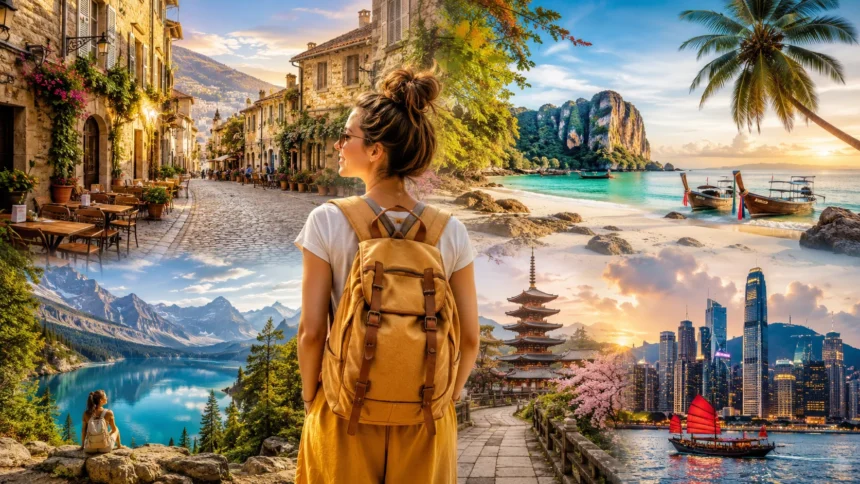
15 Best Solo Trips for Women: Safe & Amazing Destinations
Traveling alone can be one of the most freeing ways to see the world because every decision belongs entirely to you. You can spend an extra hour in a museum, change cities at the last minute, join a food tour with strangers, or enjoy a quiet afternoon without negotiating anyone else’s schedule. For women, however, choosing a solo destination often involves additional questions about transportation, accommodation areas, nightlife, cultural expectations, and personal security. The best solo trips for women are therefore not simply beautiful places but destinations where independent travel feels manageable and rewarding. Reliable public transportation, walkable neighborhoods, established tourism infrastructure, and plenty of activities for individuals can make an enormous difference. These qualities are especially valuable when planning a first solo trip abroad.
No country or city can honestly be described as completely safe, and women can have very different experiences in the same destination. Safety can change by neighborhood, time of day, weather, local events, transportation choice, and individual circumstances, so rankings should never replace current research. Many destinations included below currently carry Level 1, or “exercise normal precautions,” guidance from the US State Department, including Iceland, Portugal, Austria, Slovenia, Switzerland, Canada, Finland, Ireland, Croatia, Singapore, and New Zealand. Advisory levels are only one planning tool, however, and travelers should always check guidance issued for their own nationality before departure. Ordinary precautions around belongings, transportation, alcohol, accommodation locations, and late-night movement still matter everywhere.
This guide focuses on destinations that combine memorable experiences with practical advantages for women traveling alone. You will find compact European capitals, dramatic wilderness destinations, Asian megacities, island escapes, alpine adventures, and places that work particularly well for first-time solo travelers. LSI topics such as solo female travel, women traveling alone, safest solo travel destinations, first solo vacation ideas, female-friendly destinations, budget solo travel, and solo travel safety appear naturally throughout the guide. Each destination also includes advice about transportation, costs, social opportunities, ideal trip length, and the type of traveler likely to enjoy it most. The goal is not to remove every uncertainty from traveling alone because that is impossible. Instead, it is to help you choose a destination where independence feels exciting rather than unnecessarily difficult.
1. Japan: A Brilliant First Solo Trip for Women
Japan is one of the strongest destinations for women who want to experience a completely different culture while still benefiting from highly developed travel infrastructure. Tokyo offers neon-lit districts, quiet shrines, shopping streets, museums, observation decks, cafés, and countless restaurants, while Kyoto adds temples, gardens, traditional neighborhoods, and slower mornings. Osaka brings energetic food culture, and places such as Kanazawa, Hiroshima, Nikko, and Hakone create easy extensions beyond the largest cities. Solo dining is common enough that ordering ramen, sushi, curry, or breakfast alone rarely attracts attention. That small cultural detail can make a surprising difference when you are taking your first international trip by yourself. Japan combines stimulation with independence unusually well.
Transportation is one of Japan’s biggest advantages for solo female travelers because trains connect major destinations efficiently and urban rail systems make car-free sightseeing realistic. Large stations initially look complicated, but digital maps and English-language signage make routes easier to understand after the first day. Staying near a useful subway or railway station can simplify everything from airport transfers to evening dinners. Travelers should avoid building an itinerary around excessive city hopping simply because high-speed trains make it technically possible. Two or three well-chosen bases usually produce a better experience than repacking every night. Once you understand the rail system, traveling independently becomes part of the adventure rather than a source of constant logistical anxiety.
Japan also works particularly well for women who enjoy spending part of the day alone but still want opportunities to meet people. Walking tours, food experiences, cooking classes, tea ceremonies, bar tours, art workshops, and organized day trips can create natural social interaction without requiring a permanent travel companion. Hostels and social guesthouses are available in major cities, while business hotels provide affordable privacy for travelers who need personal space. Counter seating at restaurants makes spontaneous meals easy, and convenience stores provide dependable options when you simply want something quick. Tokyo and Osaka have lively nightlife, but you never need to participate in it to enjoy the cities. This flexibility lets introverted and highly social solo travelers build completely different versions of the same trip.
Japan can suit several budgets, although transportation, premium accommodation, and famous experiences can increase costs quickly. Business hotels, capsule hotels, hostels, casual restaurants, bakeries, supermarkets, and neighborhood cafés can keep daily spending relatively controlled. Spring cherry-blossom season and popular autumn periods bring strong demand, so travelers focused on value may prefer quieter weeks outside major holidays. Summer can be hot and humid, while winter offers skiing regions and a completely different atmosphere depending on where you travel. A first trip of seven to ten days works well for Tokyo and Kyoto with one additional destination. Travelers with two weeks can slow the pace and add smaller cities without turning every day into a transfer day.
Current US guidance lists Japan at Level 1, but normal precautions remain sensible even in a destination widely perceived as comfortable for independent travel. Keep your phone charged, learn the route back to your accommodation before staying out late, protect drinks in nightlife settings, and avoid assuming low crime eliminates every personal-security concern. Earthquakes, typhoons, extreme heat, and other natural hazards can also affect travel, so official alerts deserve attention. Women should research accommodation districts rather than booking entirely on price, particularly when arriving late at night. Japan is best for travelers who appreciate food, culture, cities, organization, and the confidence that comes from mastering an unfamiliar environment. For many women, it is an excellent place to discover just how enjoyable solo travel can be.
2. Iceland: Perfect for Women Who Want Nature and Independence
Iceland is an exceptional solo destination for women whose dream vacation involves waterfalls, volcanic landscapes, hot springs, glaciers, black-sand beaches, and wide-open scenery. Reykjavik provides a manageable urban base with cafés, museums, restaurants, pools, and nightlife, but most visitors quickly become interested in the landscapes beyond the capital. The Golden Circle introduces geysers, waterfalls, and national-park scenery, while the South Coast adds dramatic beaches and glacier views. Travelers with more time can explore the Snæfellsnes Peninsula, northern Iceland, or sections of the Ring Road. Nature is the main attraction, so you do not need a packed urban sightseeing list to justify traveling alone. Simply watching weather move across the landscape can become part of the experience.
Women who do not want to drive can still see a great deal because Reykjavik has a large market for organized day tours. Golden Circle excursions, South Coast tours, northern-lights trips, glacier experiences, geothermal outings, and whale-watching tours allow you to join other travelers during the day and return to your own schedule afterward. Renting a car provides greater flexibility but also introduces responsibilities around road conditions, weather, fuel, and long driving distances. Solo drivers should avoid ambitious daily mileage simply because the roads look empty on a map. Winter travel requires particularly careful planning because daylight, ice, storms, and sudden closures can change plans quickly. A guided excursion can sometimes be the smarter choice rather than a compromise.
Iceland is also appealing to introverted solo travelers because you do not need constant social interaction to feel comfortable. Cafés, public pools, museums, scenic viewpoints, and geothermal spas all work naturally for individuals. When you do want company, small-group adventure tours create conversation without forcing you into nightlife or hostel culture. Reykjavik hostels can provide a social base, while guesthouses and hotels suit travelers who value privacy. Dining alone is straightforward, although restaurant costs may encourage budget travelers to choose accommodation with kitchen facilities. The combination of structured daytime excursions and peaceful evenings makes Iceland especially suitable for women who enjoy solitude but do not want to feel completely disconnected. It is an easy place to design your own social balance.
The main disadvantage is cost because accommodation, restaurants, rental cars, fuel, and organized activities can make Iceland more expensive than many European destinations. Staying in hostels or guesthouses, preparing some meals, choosing a few priority excursions, and traveling outside the busiest summer weeks can help. Summer brings extremely long daylight and easier road-tripping conditions, while darker months create opportunities for northern-lights viewing when skies cooperate. Shoulder seasons may provide better value but also require greater flexibility around weather. Four or five nights can work for Reykjavik plus several day trips, while seven to ten days make a road-based itinerary more satisfying. Avoid paying for every possible excursion simply because social media makes each one seem essential.
Iceland currently carries Level 1 guidance, with official advice emphasizing quickly changing weather, natural hazards, volcanic activity, earthquakes, and petty theft in popular tourism areas. Those warnings are important because the greatest risks during an Iceland trip may come from the environment rather than ordinary urban crime. Women traveling alone should check SafeTravel information, road conditions, and weather before hiking or driving into remote areas. Tell someone your plans before longer walks and never approach glaciers, unstable coastlines, or volcanic zones without appropriate guidance. Iceland is best for women who want independence, dramatic scenery, photography, hiking, and restorative quiet. Treat the landscape seriously and it can provide one of the most empowering solo trips in Europe.
3. Portugal: Relaxed, Social and Excellent for First-Time Solo Travel
Portugal is a particularly attractive choice for women who want a European solo trip combining historic cities, coastline, good food, and relatively easy transportation. Lisbon offers tiled buildings, hilltop viewpoints, historic trams, waterfront neighborhoods, cafés, museums, and lively evenings, while Porto provides a more compact experience beside the Douro River. Sintra works beautifully as a day trip for palaces and forested hills, and destinations such as Coimbra or Évora add slower historical stops. The Algarve appeals to women wanting beaches, while Madeira and the Azores offer nature-focused alternatives. Portugal’s variety allows you to create a city break, coastal vacation, or multi-stop journey without traveling enormous distances. That flexibility makes it especially useful for a first solo vacation.
Lisbon and Porto are easy to explore independently because central neighborhoods contain plenty of attractions within walking distance, although Lisbon’s hills can make short distances surprisingly tiring. Trains and buses connect major destinations, reducing the need for a rental car on a classic first itinerary. Metro systems and urban transportation can simplify movement when your accommodation is farther from historic centers. A car becomes more valuable when exploring rural areas, remote beaches, or small villages beyond convenient public routes. Women arriving late should plan airport or station transfers before departure rather than deciding everything while carrying luggage. Choosing accommodation near a useful transit line can make evenings feel considerably easier. Convenience is worth paying slightly more for when traveling alone.
Portugal also has a strong social side without requiring women to spend every night in bars. Walking tours, food tours, surfing lessons, hostel events, cooking experiences, winery excursions, and day trips to Sintra create easy opportunities to meet other travelers. Café culture makes it comfortable to spend time alone with coffee or a book between sightseeing stops. Solo dining is straightforward, particularly in casual restaurants and food markets where meals feel less formal. Younger travelers can choose highly social hostels, while boutique guesthouses provide quieter environments for those who prefer privacy. Lisbon nightlife can be energetic, but travelers should use the same judgment around drinks and late-night transportation that they would in any unfamiliar city. Social opportunities are plentiful without being compulsory.
Portugal has become more expensive in highly popular areas, so old claims that Lisbon is universally cheap should be treated cautiously. Accommodation in central Lisbon, Porto, and famous Algarve towns can rise significantly during summer and major events. Traveling in spring or autumn often provides comfortable walking weather and a better balance between demand and atmosphere. Budget travelers can save through public transportation, bakeries, local lunch menus, hostels, and accommodation outside the most famous historic streets. Five to seven days works for Lisbon and Porto with one or two day trips, while ten days creates room for a coastal or countryside extension. Slower itineraries also reduce transportation expenses and make the trip feel less like an assignment.
Portugal currently carries Level 1 US travel guidance, although petty theft deserves attention around busy tourism zones and public transportation. Women should keep bags closed, avoid placing phones casually on café tables beside crowded streets, and remain alert on trams and in dense sightseeing areas. Hills and uneven pavement also make comfortable footwear an actual safety consideration rather than a fashion detail. Choose well-reviewed accommodation in neighborhoods where you feel comfortable returning after dinner and ask hosts about any streets they recommend avoiding late at night. Portugal particularly suits women interested in architecture, food, coastal scenery, cafés, photography, and gentle cultural immersion. It offers enough structure to feel manageable while leaving plenty of space for spontaneous exploration.
4. Singapore: One of the Easiest Solo Trips in Asia
Singapore is an excellent destination for women who want to travel alone in Asia without immediately dealing with complicated transportation or major language barriers. The compact city-state combines futuristic architecture, heritage neighborhoods, tropical gardens, waterfront attractions, museums, shopping, and one of the world’s most exciting casual food cultures. Marina Bay delivers iconic skyline views, while Chinatown, Little India, and Kampong Glam offer very different cultural atmospheres within short travel distances. Gardens by the Bay and the Botanic Gardens provide green breaks from dense urban sightseeing. Because the destination is geographically compact, visitors can experience a great deal without changing hotels or spending hours on long-distance transfers. This simplicity makes Singapore particularly strong for nervous first-time solo travelers.
The MRT rail network is one of the biggest reasons independent travel feels straightforward. Stations connect the airport, central districts, residential neighborhoods, shopping areas, and major attractions, while buses expand coverage beyond rail routes. English is widely used, making signs, menus, ticket machines, and everyday questions relatively easy for many international visitors. Walking is practical within several districts, although humidity and tropical heat can make distances feel longer than expected. Staying near an MRT station reduces reliance on taxis and gives you greater flexibility after dinner. Navigation apps work well, and major attractions are generally clearly marked. The result is a destination where women can focus on exploring rather than repeatedly solving transportation problems.
Singapore is especially enjoyable for solo food travelers because hawker centers make individual dining completely normal. You can try noodles, rice dishes, seafood, dumplings, Indian food, Malay specialties, desserts, and countless snacks without needing formal restaurant reservations. Joining a food tour early in your trip can introduce unfamiliar dishes and create an easy opportunity to meet other visitors. Cultural walking tours, museum visits, cycling experiences, and neighborhood explorations provide additional structured activities when you want company. At other times, wandering independently through gardens or shopping districts feels effortless. Singapore’s evening atmosphere also gives travelers plenty to do without relying entirely on alcohol-centered nightlife. Waterfront walks, light displays, late dinners, and observation areas create gentler social options.
Accommodation is the biggest challenge for budget travelers because Singapore hotel prices can be significantly higher than in neighboring Southeast Asian countries. Hostels, capsule-style rooms, and simpler hotels help, but location should still remain a priority for women traveling alone. Food can be surprisingly affordable when you use hawker centers, casual eateries, and food courts rather than relying on premium restaurants. Three to five days is enough for most first visits, making Singapore manageable even when nightly accommodation is expensive. The tropical climate remains hot and humid throughout the year, with rain possible in any season. Packing lightweight clothing, a compact umbrella, and comfortable shoes makes everyday sightseeing easier. Air-conditioned attractions provide useful breaks during the hottest afternoon hours.
Singapore currently appears at Level 1 under US travel guidance, but that should not create a false sense that precautions are unnecessary. Women should still protect belongings, plan late-night transportation, respect local laws, and understand that rules around public behavior can differ from those at home. Carefully research medication restrictions before travel if you carry prescription drugs because regulations can be strict. Keep emergency contacts and accommodation details accessible even when your phone battery is low. Singapore is ideal for women who value food, urban design, cleanliness, cultural diversity, and logistical simplicity. It is particularly useful as a first Asian solo destination because the learning curve is gentle while the experience still feels unmistakably different from Europe or North America.
5. New Zealand: Adventure Travel With Plenty of Solo-Friendly Options
New Zealand suits women who want a solo trip centered on mountains, lakes, beaches, hiking, wildlife, and road-trip scenery rather than nonstop city sightseeing. The North Island combines Auckland, Wellington, geothermal landscapes, beaches, forests, and Māori cultural experiences, while the South Island offers alpine scenery, fjords, dramatic lakes, and adventure towns. Queenstown is especially convenient for travelers who want organized outdoor activities and an established backpacker community. Rotorua provides geothermal attractions and cultural experiences, while places such as Abel Tasman and Fiordland deliver unforgettable natural landscapes. Because destinations vary so strongly, a first trip should focus on one or two regions rather than attempting to cover the entire country. New Zealand rewards depth more than frantic mileage.
Transportation requires more planning than in compact European destinations, but several options work well for solo female travelers. Domestic flights connect major centers, intercity buses serve popular routes, and organized tours remove the need to drive in unfamiliar conditions. Renting a car or campervan provides greater flexibility but also means managing long distances, weather, parking, and fatigue by yourself. Solo drivers should resist the temptation to cover huge stretches every day simply because scenery makes the route look attractive. Build time for stops, food, fuel, and changing conditions rather than trusting the most optimistic navigation estimate. In cities, public transportation and walking can cover many everyday needs. Outside cities, advance planning matters much more.
New Zealand also makes meeting people relatively easy because outdoor activities naturally bring strangers together. Hiking tours, boat trips, kayaking excursions, adventure sports, wildlife cruises, wine tours, and hostel common areas create conversation without requiring you to approach people randomly. Queenstown is particularly social, while smaller towns can feel quieter and more intimate. Women who prefer privacy can stay in motels, guesthouses, holiday parks, or boutique hotels and join group excursions only when they want company. This combination works well for travelers who enjoy solitude during scenic drives but do not want an entirely isolated vacation. Shared activities also provide additional reassurance when tackling unfamiliar outdoor environments. Adventure becomes more accessible without sacrificing independence.
New Zealand can be expensive, especially when one person pays alone for accommodation, rental vehicles, fuel, and high-profile adventure activities. Hostels, holiday parks, supermarket meals, shared tours, and careful regional planning can keep costs more manageable. December through February brings summer conditions and stronger demand, while spring and autumn can offer fewer crowds with more variable weather. Winter suits ski-focused trips but changes driving and hiking possibilities substantially. Ten days is a reasonable minimum for exploring one island without excessive rushing, while two weeks creates a better rhythm. Instead of booking every famous activity, choose the experiences that genuinely match your interests. A single memorable hike or cruise can be more rewarding than four expensive excursions scheduled back-to-back.
New Zealand currently carries Level 1 guidance, but outdoor safety deserves serious attention because landscapes can become hazardous quickly. Weather, water conditions, remote roads, mountain environments, and hiking difficulty may create more practical risk than everyday city crime. Women hiking independently should tell someone their route, carry adequate supplies, check local conditions, and avoid remote trails that exceed their experience. Travel insurance should cover the activities you actually plan to do rather than only ordinary sightseeing. New Zealand is best for confident women who enjoy nature, physical activity, scenic road trips, and trying something adventurous without needing a companion. It can be one of the most empowering destinations on this list when the itinerary respects both ability and environment.
6. Austria: Elegant Cities and Easy Rail Travel
Austria is a strong solo destination for women who enjoy museums, classical architecture, café culture, mountain scenery, music, and efficient city travel. Vienna provides palaces, art museums, historic cafés, opera, markets, parks, and beautifully preserved neighborhoods that can fill several days without requiring a companion. Salzburg adds a smaller historic center beneath an alpine backdrop, while Innsbruck combines urban convenience with dramatic mountain access. Travelers with extra time can explore lakes, villages, or the Wachau Valley without building an overly complicated itinerary. Austria works especially well for women who prefer structured sightseeing during the day and calm evenings rather than nonstop nightlife. It feels sophisticated without requiring luxury spending at every moment.
Rail travel is one of Austria’s greatest strengths because Vienna, Salzburg, Graz, Innsbruck, and many smaller destinations are well connected. Trains allow women traveling alone to move between cities without navigating rental-car paperwork, unfamiliar roads, or parking. Urban public transportation in Vienna is particularly useful, combining underground trains, trams, and buses across a broad network. Staying near a tram or metro stop can make late-afternoon museum visits and evening concerts much easier. Central Salzburg is compact enough for extensive walking, while Innsbruck offers straightforward access to surrounding mountain areas. Buying tickets correctly matters because transport systems may rely on validation or zone rules unfamiliar to visitors. Learn the basics on your first day rather than risking avoidable fines.
Solo cultural activities feel especially natural in Austria because many experiences are inherently individual. Museums, concert halls, cafés, palaces, Christmas markets, walking tours, and scenic train journeys do not require a group to feel enjoyable. Sitting alone over coffee and cake can actually feel like participating in local café culture rather than waiting for someone to join you. Food tours and hostel events create social options for travelers who want them, while classical concerts provide evening entertainment that does not depend on bar culture. Vienna also has enough international visitors that joining small-group activities is simple throughout much of the year. Women who enjoy their own company may find Austria particularly comfortable because solitary cultural exploration rarely feels unusual.
Austria is not Europe’s cheapest destination, but costs can be controlled with guesthouses, hostels, public transportation, supermarket meals, and advance rail fares. Vienna offers accommodation across many districts, so staying outside the most famous central streets can improve value without sacrificing convenience. Spring and autumn are excellent for walking-heavy city trips, while December attracts visitors for Christmas markets and festive atmosphere. Summer suits mountain trips but can bring stronger demand in popular locations. Five to seven days allows Vienna and Salzburg at a relaxed pace, while ten days creates room for Innsbruck or countryside stops. Book high-priority concerts and famous attractions in advance during busy periods, but leave enough unstructured time for cafés and neighborhood walks.
Austria’s latest US advisory remains Level 1 and describes the country as generally safe for travelers. Women should still protect valuables in transportation hubs, use normal awareness late at night, and research the exact location of inexpensive accommodation before booking. Mountain excursions require a different kind of preparation because weather and trail difficulty can change quickly outside the cities. Do not treat an easily accessible cable car as proof that every nearby hiking route is suitable for beginners. Austria is particularly good for first-time solo travelers who want Europe without an overwhelming pace. Its combination of reliable transportation, cultural depth, comfortable public spaces, and easy day trips allows women to build confidence while enjoying one of the continent’s most polished travel experiences.
7. Slovenia: Small, Scenic and Easy to Explore Slowly
Slovenia is an excellent option for women who want dramatic European scenery without the scale or complexity of a large country. Ljubljana is compact, attractive, and easy to explore on foot, with riverside cafés, bridges, markets, museums, and a castle overlooking the city. Lake Bled provides the country’s most famous postcard view, while Lake Bohinj offers a more nature-focused atmosphere nearby. The Soča Valley appeals to outdoor travelers, and the Adriatic town of Piran adds a completely different coastal environment. Because travel distances are manageable, visitors can experience cities, lakes, mountains, caves, and coastline during one relatively short trip. That variety makes Slovenia especially rewarding for women who dislike spending entire days in transit.
Ljubljana works beautifully as a first base because much of its center is pedestrian friendly and major sights are close together. Buses connect many destinations around the country, while organized tours can simplify access to caves, lakes, vineyards, and mountain areas. A rental car provides greater flexibility in rural regions but is not necessary for every itinerary. Women traveling alone can also choose small-group day tours when they want to visit places that involve awkward public connections. Staying centrally allows you to return easily after dinner without arranging complicated transportation. The city’s modest scale helps new solo travelers become oriented quickly, which can reduce the mental fatigue that sometimes accompanies large unfamiliar capitals. After a day or two, Ljubljana begins feeling surprisingly manageable.
Social travel is possible without Slovenia feeling dominated by party tourism. Walking tours, food experiences, hiking excursions, rafting trips, wine tours, and hostel common areas provide easy opportunities to meet others. At Lake Bled or Bohinj, joining an outdoor activity can be especially useful if you would rather not hike or kayak completely alone. Ljubljana’s café culture also makes spending time by yourself comfortable, whether you are reading beside the river or planning the next day’s route. Evening life exists without being essential to enjoying the city. This balance makes Slovenia attractive to women who want a peaceful trip with occasional social interaction. It is particularly good for travelers who prefer genuine downtime between major sightseeing days.
Slovenia can offer better value than several neighboring Alpine destinations, although accommodation prices rise in Ljubljana, Lake Bled, and popular summer areas. Guesthouses, hostels, apartment stays, local restaurants, and buses can keep costs under control. Late spring and early autumn offer appealing conditions for combining cities with outdoor activities, while summer provides longer days and stronger demand around lakes and mountains. Winter creates completely different opportunities for skiing and snow-covered scenery. Five to seven days provides a useful introduction, but ten days allows a much better balance between Ljubljana and rural regions. Avoid staying only in Bled because the country’s appeal is broader than its most famous lake. A slower route often reveals exactly why travelers become enthusiastic about Slovenia.
Slovenia currently carries Level 1 guidance, although official advice specifically warns travelers to use caution in the Julian Alps and says not to hike alone there. That distinction matters for women planning a nature-focused solo vacation because a generally comfortable country can still contain demanding outdoor environments. Choose guided hikes when routes exceed your experience, monitor weather closely, and carry appropriate footwear and layers. In cities and transportation hubs, ordinary precautions against pickpocketing and purse snatching remain sensible. Slovenia is best for women who want lakes, charming cities, outdoor adventures, and a less overwhelming alternative to Europe’s busiest destinations. Its small scale creates freedom, while its variety keeps a week-long trip from ever feeling repetitive.
8. Ireland: Friendly Cities, Dramatic Coastlines and Easy Socializing
Ireland appeals to solo female travelers who want lively conversation, historic cities, green landscapes, coastal scenery, music, and a trip where meeting people can happen naturally. Dublin offers museums, literary history, Georgian streets, pubs, parks, and day-trip possibilities, while Galway provides a smaller city with strong access to western landscapes. Cork works well for food-focused travelers, and towns such as Killarney can serve as gateways to famous scenic regions. The Cliffs of Moher, Connemara, the Ring of Kerry, and sections of the Wild Atlantic Way provide dramatic contrast to urban sightseeing. Ireland is particularly good for women who enjoy both structured attractions and spontaneous conversation. The destination often feels social without requiring you to travel in a group.
Getting around without a car is possible if you organize your itinerary around major cities and established tours. Trains and buses connect many important destinations, while day tours from Dublin, Galway, and other tourism centers reach rural attractions that are difficult to access independently. Renting a car creates more freedom but introduces left-side driving, narrow rural roads, and the pressure of navigating alone. First-time solo drivers should consider whether that freedom is actually worth the stress. Staying in two or three bases and using organized excursions can create a much more relaxing trip. In cities, walking and public transportation handle most ordinary sightseeing needs. Ireland rewards realistic travel planning because rural distances can look deceptively short on a map.
Pubs make socializing easier, but Ireland offers many ways to connect that do not revolve around drinking. Walking tours, traditional-music experiences, food tours, storytelling events, day excursions, hostels, and small-group hikes can create conversations naturally. A woman traveling alone can also enter many casual restaurants or cafés without feeling uncomfortable. Live music provides evening entertainment even when you do not want to approach strangers directly. Travelers who prefer quiet evenings can choose smaller guesthouses and enjoy early starts for scenic excursions. This range makes Ireland suitable for both extroverts and women who simply want occasional company. You control whether a day becomes highly social or completely independent, which is one of solo travel’s greatest advantages.
Ireland is not necessarily a low-cost destination, particularly when accommodation demand is strong in Dublin and famous tourism regions. Booking ahead, using hostels or guesthouses, traveling outside peak summer dates, and choosing fewer overnight bases can reduce expenses. Spring and early autumn often provide a good compromise between daylight, atmosphere, and demand, although rain remains possible throughout the year. Bring a waterproof layer instead of allowing weather forecasts to determine your entire mood. Five days can cover Dublin and one western base, while seven to ten days creates a much better rhythm. Solo travelers should avoid moving accommodation every night because check-in logistics can consume an unnecessary amount of time. Ireland is better when you settle into each place long enough to develop a routine.
Current US guidance places Ireland at Level 1 while noting that petty crime can occur in popular tourist locations. Women should keep bags secure in busy central Dublin areas, plan late-night transportation, and stay aware when leaving pubs or entertainment districts. Coastal cliffs, wet trails, wind, and rapidly changing weather deserve just as much respect as urban security concerns. Do not cross safety barriers for photographs, particularly near exposed cliff edges. Ireland is ideal for women who value conversation, music, literature, nature, road-trip scenery, and a cultural environment where solo visitors can easily join organized experiences. It can be especially reassuring for first-time solo travelers who want independence without feeling socially isolated for an entire week.
9. Switzerland: Effortless Rail Travel and Spectacular Alpine Scenery
Switzerland is an outstanding destination for women who want mountains and lakes without giving up reliable transportation or comfortable urban bases. Zurich provides museums, lakefront walks, cafés, shopping, and easy onward connections, while Lucerne combines a beautiful historic center with mountain excursions. Interlaken serves adventure-oriented travelers, and places such as Lauterbrunnen, Grindelwald, and Zermatt provide some of Europe’s most dramatic alpine scenery. Bern offers a quieter city experience with arcaded streets and river views, while Geneva adds international institutions and a different cultural atmosphere. The country allows travelers to move from urban sightseeing to mountain landscapes without driving. That combination makes Switzerland especially attractive to women who want nature but do not want a complicated road trip.
Swiss rail travel is one of the strongest logistical advantages on this list. Trains, local buses, mountain railways, boats, and cable cars connect an extraordinary range of destinations, making car-free itineraries genuinely practical. Women can base themselves in one town and take day trips rather than repeatedly moving luggage between hotels. Digital schedules make connections easier to understand, although mountain transportation sometimes follows seasonal timetables and weather restrictions. Booking accommodation near a station can save both time and physical effort, particularly when carrying luggage alone. Scenic journeys also become part of the travel experience rather than dead time between attractions. For travelers who dislike driving abroad, Switzerland provides an unusually high level of independence without requiring a steering wheel.
Solo activities are plentiful because Switzerland’s strongest experiences often work beautifully without company. Lake cruises, scenic trains, museums, city walks, mountain viewpoints, spa visits, photography, and well-known hiking routes can all be enjoyed independently. Guided hiking or adventure activities provide company when terrain becomes more demanding. Hostels in Interlaken and other tourism centers offer a social atmosphere, while hotels and guesthouses cater well to travelers who prefer privacy. Eating alone is uncomplicated, though restaurant costs can make supermarket meals an appealing occasional alternative. You can spend one day talking with a hiking group and the next almost entirely alone beside a lake. That ability to change the social intensity of your trip is particularly valuable during longer solo vacations.
The major disadvantage is price because Switzerland can challenge even comfortable travel budgets. Accommodation, restaurants, mountain transportation, and high-profile excursions add up quickly when costs cannot be shared with a companion. Staying in hostels or simple hotels, using grocery stores, selecting fewer paid mountain excursions, and comparing transportation passes can help control spending. Summer is excellent for hiking, while winter attracts skiers and snow-focused travelers with a very different budget profile. Late spring and early autumn can offer a quieter experience, although some seasonal mountain services may operate differently. Five to seven days works for two regions, while ten days creates a much more relaxed multi-city route. Resist trying to visit every famous valley because rail convenience can encourage unrealistic itineraries.
Switzerland currently carries Level 1 guidance, with official advice emphasizing that mountains can become dangerous through avalanches, landslides, and sudden weather changes. Women traveling alone should distinguish between a comfortable city environment and remote alpine terrain where preparation requirements are completely different. Check forecasts, wear appropriate footwear, follow marked routes, and join a guide when experience or conditions make independent hiking questionable. Keep valuables secure in busy train stations and tourist areas despite the country’s generally comfortable reputation. Switzerland is best for women who value scenery, organization, rail travel, hiking, and quiet personal time. It is expensive, but few solo destinations make reaching world-class landscapes feel so straightforward.
10. Canada: Big-City Comfort With Incredible Nature Nearby
Canada offers solo female travelers an enormous range of experiences, so the smartest first trip usually focuses on one region rather than attempting to cross the country. Vancouver combines ocean, mountains, neighborhoods, restaurants, parks, and easy outdoor excursions within one destination. Toronto offers museums, food, entertainment, and access to Niagara Falls, while Montréal provides French-influenced architecture, festivals, cafés, and distinctive cultural energy. Québec City appeals to travelers seeking a more historic atmosphere, and Banff or Jasper introduce the dramatic landscapes of the Canadian Rockies. Atlantic Canada creates yet another travel style centered on coastlines and smaller communities. This variety makes Canada suitable for women who want city comfort without giving up serious outdoor adventure.
Transportation depends heavily on the region because Canadian distances are much larger than they first appear. Public transportation works well enough for many urban itineraries, while domestic flights become important when combining distant provinces. Mountain areas may require shuttles, rental cars, organized tours, or careful seasonal planning. Women traveling alone should avoid treating a long rural drive like an ordinary city transfer, especially when weather, wildlife, or limited services become factors. Choosing one geographic cluster can reduce both costs and logistical stress. Vancouver with nearby nature, Montréal with Québec City, or Calgary with the Rockies each makes more sense than trying to combine everything in one week. Regional focus creates a richer solo experience.
Canada also provides many low-pressure ways to meet people. Food tours, hostel events, museum programs, hiking excursions, wildlife trips, city walking tours, and outdoor activities create built-in conversation. Major cities are multicultural, so women can often find restaurants and communities connected with many different cultural backgrounds. Solo dining is common and generally straightforward, particularly in cafés, food halls, casual restaurants, and counter-service establishments. Women wanting privacy can build independent city days and use small-group tours only for more complicated natural attractions. Evening entertainment ranges from theater and concerts to quiet waterfront walks, so nightlife does not have to dominate the trip. The variety makes it easy to design a vacation around your actual personality instead of a standard backpacker template.
Costs vary significantly between regions, seasons, and cities, but accommodation can be expensive in Vancouver, Toronto, and famous mountain destinations. Hostels, university accommodation during certain periods, guesthouses, apartment-style stays, and public transportation can reduce expenses. Summer creates strong demand in national parks, while winter can be equally expensive in major ski areas. Spring and autumn work well for many city-focused trips, although mountain conditions require separate research. Five to seven days is enough for one city plus nearby excursions, while ten days supports a stronger regional itinerary. Booking popular national-park accommodation early is wise when dates are fixed. Solo travelers should also budget carefully for domestic flights because Canada’s geographic scale can make internal transportation more expensive than expected.
Canada currently carries Level 1 guidance, although petty crime remains a consideration in popular tourist locations and vehicle break-ins can occur. Women should research accommodation neighborhoods, secure belongings, avoid leaving valuables in rental cars, and plan late-night transportation in unfamiliar cities. Outdoor environments require separate preparation for wildlife, cold, wildfire conditions, remote trails, and changing mountain weather. Solo hikers should share routes and follow local park guidance rather than assuming popular scenery automatically means easy conditions. Canada is particularly good for women who want cultural diversity, dramatic nature, English- or French-speaking environments, and the freedom to create either an urban or outdoor-focused trip. Choosing the right region is the key to making the experience manageable rather than overwhelming.
11. Finland: Calm Cities, Saunas and Nordic Nature
Finland is a compelling solo destination for women who enjoy calm urban spaces, distinctive design, forests, lakes, saunas, and travel experiences that do not depend on constant social interaction. Helsinki offers architecture, markets, museums, islands, design shops, cafés, and waterfront neighborhoods within a relatively manageable city. A short ferry journey adds Suomenlinna, while other southern destinations can be reached by train for easy extensions. Farther north, Finnish Lapland provides snow landscapes, winter activities, northern-lights possibilities, and summer’s long daylight. Finland suits travelers who appreciate quiet without automatically interpreting it as loneliness. The cultural comfort with personal space can actually feel refreshing when you are traveling by yourself. Independent days do not require explanation or apology.
Public transportation makes Helsinki straightforward to navigate without a car. Trams, buses, metro services, trains, and ferries connect central districts and surrounding areas, while long-distance rail can take travelers to other cities and northern regions. Walking is pleasant during suitable weather, especially around the center and waterfront. Winter requires more careful footwear because ice and snow can make ordinary sidewalks more challenging. Women heading to Lapland can join organized excursions rather than renting a vehicle in unfamiliar winter driving conditions. Choosing accommodation near a transport hub simplifies early departures and evening returns. Finland demonstrates that solo travel becomes much easier when infrastructure reduces the number of small daily decisions you need to make.
Social opportunities are available, but Finland is equally well suited to women who do not want a highly social hostel experience. Design tours, food walks, sauna experiences, nature excursions, winter activities, and northern-lights tours can provide company when desired. Cafés and museums feel completely natural to visit alone, while public libraries and waterfront spaces offer low-cost places to slow down between attractions. In Lapland, group activities such as snowshoeing or wildlife excursions can add both social interaction and practical support in unfamiliar conditions. Travelers who enjoy journaling, photography, reading, and restorative travel may particularly appreciate Finland’s pace. You can create meaningful days without continuously asking what attraction comes next. That quality distinguishes Finland from busier sightseeing capitals.
Finland can be expensive, particularly for accommodation, alcohol, restaurant meals, and organized Lapland experiences. Budget travelers can use hostels, supermarket meals, public transportation, free urban spaces, and careful activity selection. Summer provides long daylight, outdoor cafés, islands, and green landscapes, while winter creates the snow-focused imagery many travelers associate with northern Finland. Late autumn can feel dark and transitional, so trip expectations should match the season rather than only airfare prices. Four days works for Helsinki, while a week can combine the capital with another region. Lapland deserves several additional nights because weather and aurora conditions are unpredictable. Do not build a winter trip around seeing the northern lights on one specific evening because nature never signs that contract.
Finland currently carries Level 1 guidance, with official information advising travelers to remain aware in tourist locations and noting that passenger crossings on the land border with Russia remain closed until further notice. Women should monitor current transportation and border information if traveling in the eastern or northern parts of the country. Winter cold, ice, limited daylight, and remote outdoor conditions require more preparation than central Helsinki. Use reputable guides for activities where environmental conditions exceed your experience and carry proper clothing rather than relying on fashionable winter layers. Finland is best for women seeking quiet confidence, Nordic design, nature, winter experiences, and a trip that does not demand constant social energy. It can feel wonderfully restorative when your goal is independence rather than nonstop entertainment.
12. South Korea: Food, Culture and 24-Hour City Energy
South Korea is an exciting solo trip for women who enjoy dense cities, food, shopping, cafés, history, beauty culture, technology, and efficient public transportation. Seoul offers royal palaces, traditional neighborhoods, contemporary art, markets, mountains, riverside parks, shopping districts, and nightlife within one enormous metropolitan area. Busan adds beaches, seafood, colorful hillside neighborhoods, and a different coastal atmosphere, while Gyeongju provides historical sites connected with Korea’s ancient kingdoms. Jeonju is known for traditional architecture and food, creating another slower stop for multi-city travelers. The country’s combination of modern infrastructure and deep cultural history makes each day feel varied. You can spend one morning in a palace and the same evening beneath giant digital billboards.
Metro and rail systems make independent travel practical even when the scale of Seoul initially feels intimidating. Stations are extensive, but navigation apps and English-language information help international visitors understand routes. High-speed trains connect major cities efficiently, reducing the need for domestic flights or rental cars on a classic first itinerary. Women should choose accommodation near a well-connected station because Seoul neighborhoods are enormous and transferring several lines late at night can become tiring. Airport transportation is also straightforward when planned in advance. Taxis and other services provide additional options, but public transit will handle much of a budget-conscious trip. Once the system becomes familiar, the city feels significantly smaller than it did during the first evening.
South Korea is especially rewarding for solo food travelers, although some traditional restaurants are designed around shared portions or minimum orders. That should not discourage you because markets, cafés, noodle shops, bakeries, food courts, casual restaurants, and countless modern eateries work well for individuals. Organized food tours can introduce dishes that might otherwise feel difficult to order alone. K-pop experiences, beauty workshops, walking tours, palace tours, hiking groups, and hostel events offer other ways to meet people. Seoul’s café culture is particularly useful for solo travelers who enjoy planned pauses during busy sightseeing days. Women can alternate highly stimulating districts with quiet museums or riverside walks. The city supports many different travel moods without requiring constant relocation.
Costs can be moderate depending on accommodation and lifestyle. Public transportation and casual food can offer good value, while premium cafés, shopping, beauty treatments, upscale hotels, and nightlife can increase spending quickly. Spring and autumn are popular for comfortable temperatures and seasonal scenery, while summer can be hot, humid, and rainy. Winter is cold but brings a distinctive atmosphere and opportunities for snow-related day trips. Seven days provides enough time for Seoul plus one additional destination, while ten days creates a more balanced multi-city itinerary. Book accommodation carefully around the neighborhood experience you want rather than simply choosing the lowest nightly rate. Hongdae, Myeongdong, Insadong, and Gangnam provide very different versions of Seoul.
South Korea is listed at Level 1 in current US advisory information, but personal precautions remain important in a major urban destination. Women should remain aware around nightlife, protect drinks, use official transportation, and understand local emergency contacts before staying out late. Political demonstrations can occur, so avoid large gatherings when local authorities recommend doing so. Cultural etiquette and communication norms may differ from what visitors expect, making basic research worthwhile before arrival. South Korea is best for women who love cities, food, fashion, pop culture, historic architecture, and days that can remain active from morning until late evening. For travelers who enjoy mastering a huge city independently, Seoul can deliver an enormous confidence boost.
13. Croatia: Adriatic Islands and Historic Coastal Cities
Croatia is a beautiful solo destination for women who want historic cities, clear Adriatic water, island landscapes, coastal walks, and a Mediterranean-style trip with strong tourism infrastructure. Dubrovnik offers fortified walls, stone streets, dramatic sea views, and famous historic architecture, while Split combines Roman heritage with a lively waterfront. Zagreb provides a different inland city experience, and places such as Zadar or Šibenik can create quieter coastal alternatives. Islands including Hvar, Brač, Korčula, and others add beach days and ferry journeys to the itinerary. Croatia’s long coastline allows women to design anything from a culture-heavy city trip to a relaxed island-hopping vacation. The key is choosing fewer stops than the map tempts you to visit.
Ferries are central to many Croatian itineraries, so understanding schedules matters when traveling independently. Services vary by season, and popular island connections become more frequent during warmer months than in winter. Buses connect many coastal cities where rail coverage is limited, while Zagreb has stronger train links toward parts of Central Europe. Women should avoid scheduling tight international flight connections after island transfers because weather or operational changes can disrupt ferry plans. Staying within walking distance of a port or historic center can reduce reliance on late-night taxis. Rolling luggage may struggle over stone streets and stairs in older districts, so packing lighter has real practical value. Croatia rewards travelers who simplify rather than overengineer transportation.
Meeting people is easy in major coastal destinations during the summer travel season. Boat tours, kayaking, food experiences, sailing excursions, walking tours, beach clubs, hostels, and day trips create natural social opportunities. Dubrovnik and Split can become extremely busy, however, so women seeking a calmer experience may prefer shoulder seasons or smaller towns. Dining alone is straightforward in cafés and casual restaurants, particularly around waterfront and historic districts. Group boat excursions can be a useful compromise for women who want to explore islands without managing every transfer independently. Evenings can be as social or quiet as you choose, depending on where you stay. Croatia supports both backpacker-style solo travel and more comfortable boutique vacations.
Summer brings the warmest beach conditions but also the strongest crowds and prices in famous coastal areas. Late spring and early autumn can offer a better balance for women interested in sightseeing, swimming, and walking without peak-season intensity. Zagreb operates more like a year-round city destination, while islands can feel much quieter outside the main tourism season. Hostels and private rooms provide budget options, but Dubrovnik accommodation can become expensive when demand is high. Seven days is enough for two bases, while ten days creates a more relaxed city-and-island combination. Avoid changing islands every day because ferry schedules can turn a supposedly adventurous itinerary into constant luggage management. Spending three nights in one place often creates a much stronger connection.
Croatia currently carries Level 1 guidance and is described as generally safe for travelers. Women should still protect belongings in crowded old towns, plan transportation after nightlife, and remain cautious around isolated beaches or walking routes after dark. Summer heat, strong sun, slippery stone streets, and water-related activities create additional practical concerns beyond crime. Use reputable boat operators and pay attention to weather or swimming warnings rather than assuming calm-looking water is always harmless. Croatia is particularly well suited to women seeking Mediterranean scenery, historic architecture, swimming, island hopping, and a social travel environment that can still be customized around privacy. It is one of Europe’s best choices when you want culture and beach time in the same trip.
14. Czechia: Prague and Beyond for an Affordable European Solo Trip
Czechia is a strong choice for women who want architecture, history, cafés, castles, beer culture, and Central European atmosphere without the same cost level as some western European capitals. Prague is the obvious starting point with its medieval streets, Charles Bridge, castle complex, Old Town Square, river views, museums, and elegant neighborhoods. Travelers who stay longer can visit Český Krumlov, Kutná Hora, Brno, Karlovy Vary, or other destinations that reveal more of the country beyond Prague. The capital is visually dramatic enough to feel special from the first evening, yet established tourism infrastructure makes independent exploration relatively straightforward. Solo visitors can build full days around walking rather than complicated transportation. That combination is ideal for a first European trip alone.
Prague’s central areas are walkable, although trams and metro services make longer journeys much easier. Public transportation is particularly useful when staying outside the historic core, where accommodation may offer better value and quieter evenings. Women should learn ticket rules and validation requirements before riding because enforcement is routine and unfamiliar systems can cause confusion. Intercity trains and buses make day trips and multi-city extensions realistic without renting a car. Arriving at major stations during daylight can make orientation easier on your first day, particularly if your accommodation requires an additional tram connection. A centrally located hotel is convenient, but being one or two neighborhoods away can provide a more residential atmosphere. Good transportation makes that compromise much easier.
Prague offers numerous social opportunities for women who want them. Walking tours, food tours, hostel events, classical concerts, river cruises, history tours, and day trips can introduce other travelers without forcing nightlife into the itinerary. Café culture and casual restaurants make solo dining comfortable, while markets and bakeries provide quick options during busy sightseeing days. Prague has a significant nightlife scene, but women should choose reputable venues and plan their return transportation before staying out late. Travelers more interested in art and architecture can easily spend evenings at concerts or quiet restaurants instead. The city accommodates both energetic backpackers and slower independent travelers. Your experience depends heavily on the neighborhood and daily pace you choose.
Czechia can still provide solid value compared with Switzerland, Iceland, or some other destinations on this list, although central Prague prices have risen with demand. Staying slightly outside Old Town, eating away from the most photographed squares, using public transportation, and taking self-guided walks can reduce costs. Spring and autumn provide comfortable sightseeing conditions, while December attracts visitors for winter atmosphere and Christmas markets. Summer has long daylight but stronger crowds, especially around Charles Bridge and Prague Castle. Four days works well for Prague, while seven days allows at least one additional Czech destination without rushing. Travelers should reserve highly desired experiences but avoid scheduling every hour. Prague is most atmospheric when you can wander without constantly checking the time.
Current advisory listings place Czechia at Level 1, but Prague’s popularity means petty theft and tourist-targeted scams still deserve attention. Women should secure bags in crowded transit and sightseeing areas, use reputable currency services, and remain skeptical of strangers offering suspiciously helpful financial transactions. Check restaurant bills and taxi arrangements rather than assuming every central business operates identically. Late-night awareness matters around entertainment districts just as it would in any popular European capital. Czechia is ideal for women seeking beautiful architecture, affordable cultural experiences, efficient public transportation, and an easy introduction to Central Europe. Prague feels grand enough for a major trip while remaining compact enough that a solo traveler can quickly develop confidence navigating it independently.
15. Greece: History, Islands and a Relaxed Mediterranean Escape
Greece gives women an enormous range of possible solo trips, from ancient monuments in Athens to island beaches and mountain villages. Athens combines the Acropolis, archaeological sites, museums, lively neighborhoods, rooftop views, markets, and contemporary food culture within a large but highly touristed city. Islands such as Naxos, Paros, Crete, Corfu, and others can provide a slower second half after several busy sightseeing days. Travelers should choose islands according to their interests rather than assuming the most famous one will automatically suit solo travel. Some are nightlife-oriented, while others emphasize hiking, food, beaches, or quiet villages. Greece works best when you combine cultural depth with time to slow down. A city-and-island itinerary can feel like two vacations in one.
Transportation planning becomes particularly important when islands are involved. Athens has metro and bus connections for major areas, while ferries and domestic flights link the mainland with island destinations. Ferry travel can be scenic and enjoyable, but schedules vary seasonally and weather can sometimes affect departures. Women should avoid scheduling a long ferry journey immediately before an important international flight. On larger islands such as Crete, transportation decisions deserve additional research because attractions may be spread far apart. Smaller islands can be easier to enjoy without a car if accommodation is chosen carefully. Staying near a walkable town center provides access to restaurants and evening activity without requiring isolated late-night journeys. Geography should influence your hotel choice as much as price.
Greece is naturally social because food, public squares, waterfront promenades, group excursions, and beach culture place people around one another throughout the day. Walking tours in Athens, cooking classes, sailing trips, food tours, archaeological excursions, and island cruises provide easy ways to meet other travelers. Solo dining is generally manageable, although portions at traditional tavernas can sometimes be generous enough to make sharing seem tempting. Café tables are excellent for slower mornings, and many islands provide relaxed evening environments that do not require clubbing. Women who enjoy conversation can find it naturally, while those seeking solitude can structure days around beaches and historic sites. Greece allows your social energy to change without forcing the entire itinerary to change with it.
Summer provides classic island weather but also brings heat, crowds, and high accommodation prices in famous destinations. Athens can become extremely hot during heat waves, making early sightseeing and afternoon breaks important. Late spring and early autumn are excellent for travelers who want warm weather with a more comfortable sightseeing rhythm. Five days works for Athens plus a nearby island, but seven to ten days creates far more breathing room. Budget varies dramatically between destinations, with internationally famous islands often costing much more than less promoted alternatives. Booking ferry and accommodation plans ahead helps during busy periods, but avoid creating connections so tight that one delay affects the rest of your trip. Greek travel is better when the schedule has space.
Current US advisory information lists Greece at Level 1, but ordinary precautions remain important in crowded tourism zones. Women should protect valuables on busy public transportation, research neighborhoods before booking, and plan how they will return from remote beaches or nightlife areas after dark. Heat, wildfire conditions, rough seas, and ferry disruptions can also affect travel depending on the season. Monitor official weather and emergency guidance rather than treating climate as merely a packing issue. Greece is best for women who love history, swimming, Mediterranean food, scenic islands, and a travel rhythm that alternates energetic mornings with slower afternoons. For a solo trip combining confidence-building exploration with genuine relaxation, it is difficult to find a more satisfying finale to this list.
Frequently Asked Questions About Solo Trips for Women
What is the safest place for a woman to travel alone?
There is no destination where personal safety can be guaranteed, but Japan, Iceland, Singapore, Switzerland, Austria, Finland, and New Zealand are often attractive because independent travel infrastructure is strong and current official advisories are comparatively favorable. Always check your own government’s latest destination guidance, accommodation neighborhood, weather conditions, transportation options, and local alerts before traveling.
Where should a woman go for her first solo trip?
Portugal, Austria, Japan, Singapore, or Ireland can work particularly well for a first solo vacation because transportation is manageable and there are plenty of activities that feel natural to do alone. Choose the destination whose language environment, budget, flight time, food, climate, and pace make you feel interested rather than simply selecting whichever country appears highest on a generic safety ranking.
How can women stay safer when traveling alone?
Share your itinerary with someone you trust, keep your phone charged, research accommodation areas before booking, use reputable transportation, secure valuables, and avoid becoming visibly intoxicated in unfamiliar environments. It is also wise to keep backup copies of important documents, know local emergency numbers, trust changes in your comfort level, and move to a public place whenever a situation begins feeling wrong.
How do you meet people on a female solo trip?
Walking tours, cooking classes, hostels, small-group day trips, food tours, hiking excursions, language events, and activity-based experiences make socializing easier because everyone already has something to discuss. You do not need to spend your whole vacation with new friends, and one of the advantages of solo travel is being able to join people for an afternoon before continuing independently.
Is solo travel for women worth it?
For many women, traveling alone is rewarding because it builds decision-making confidence while providing complete control over pace, budget, interests, meals, and rest. The best experience usually comes from combining preparation with flexibility rather than trying to eliminate every risk or schedule every minute before leaving home.