


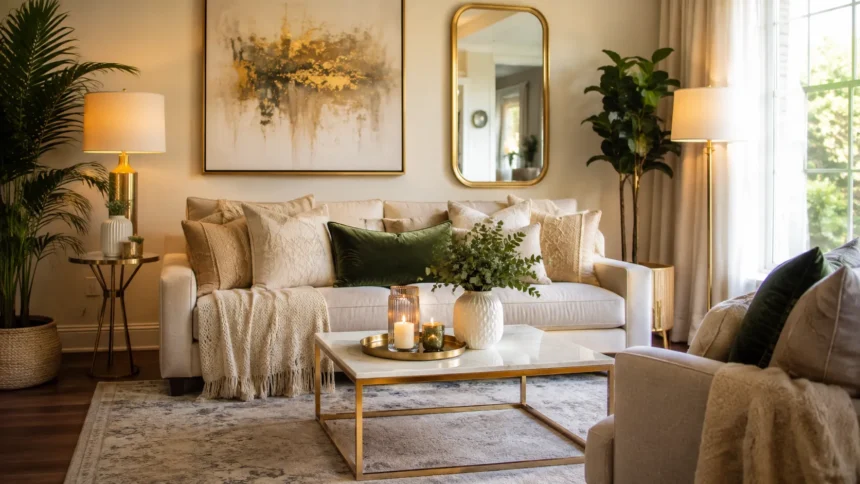
Budget Home Decor Ideas That Look High-End
Creating a stylish home does not require an unlimited decorating budget. Many rooms look expensive because they use good proportions, thoughtful lighting, cohesive colors, well-chosen textures, and carefully arranged furniture rather than because every item costs a lot. A modest room can feel polished when the visual details work together, while an expensive room can still feel unfinished if the scale, placement, and styling are inconsistent. The goal is to spend strategically where the eye notices it most.
The best budget home decor ideas focus on high-impact improvements rather than filling a space with more objects. Full-length curtains can make windows feel larger, a correctly sized rug can make furniture look more substantial, and an oversized mirror can make a small room feel brighter and more refined. Even removing clutter can make an interior feel more luxurious without costing anything. High-end style often comes from restraint and presentation rather than price alone.
Affordable decorating also becomes easier when you stop trying to complete an entire room at once. Building a space gradually gives you time to compare prices, shop secondhand, repurpose existing furniture, and save for one or two important pieces. It also helps prevent impulse purchases that look attractive individually but do not fit the overall design. A slower approach usually produces a more collected and personal interior.
This guide explores practical ways to create an expensive-looking home on a budget using paint, lighting, curtains, furniture placement, wall decor, mirrors, rugs, textiles, hardware, storage, and secondhand finds. You will also find ideas for living rooms, bedrooms, kitchens, bathrooms, dining spaces, and smaller homes. The aim is to help you create a polished interior without spending money unnecessarily.
Start With a Simple and Cohesive Color Palette
A controlled color palette can make inexpensive decor look much more intentional. Begin with a neutral foundation such as warm white, cream, beige, greige, taupe, or soft gray, then introduce one or two accent colors. Keeping the palette relatively limited helps furniture and accessories feel connected even if they were purchased at different times or from different stores.
Warm neutrals are especially useful because they pair easily with wood, black accents, brass finishes, natural fibers, and textured fabrics. A cream wall can work with a beige sofa, dark wood table, and muted green accessories without feeling flat. Layering similar tones creates depth while preserving a clean, high-end appearance.
You do not need to repaint the entire home to improve color consistency. Sometimes changing one accent wall, repainting a dated piece of furniture, or replacing brightly colored accessories can create enough improvement. Look first at the largest visual surfaces because changes there usually have the strongest impact.
Before buying new decor, compare everything with the palette you already have. A low-cost accessory can still make the room look more expensive when its color fits naturally with surrounding materials. Randomly adding trendy colors, on the other hand, can make even costly furniture feel less coordinated.
Use Paint as a Low-Cost Transformation Tool
Paint is one of the most affordable ways to change the entire mood of a room. A fresh wall color can make dated furniture look more intentional, brighten dark spaces, and create a cleaner background for artwork. Compared with replacing furniture or flooring, paint often delivers a much larger visual transformation for the money.
Do not limit paint to walls. Cabinets, doors, furniture, shelving, and even certain architectural details can often be refreshed with the correct preparation and product. A dated side table may look completely different after being repainted in a warm neutral or deep sophisticated color.
Tone-on-tone decorating can also create an expensive effect. Painting walls, trim, and built-ins in related shades can make the architecture feel more deliberate. This works particularly well in smaller rooms because fewer contrasting lines create a more seamless appearance.
Preparation matters if you want the result to look high-end. Clean surfaces, repair visible damage, protect edges, and use appropriate primers where required. An inexpensive paint project can still look luxurious when the finish is smooth and carefully applied.
Hang Curtains Higher and Wider
Curtains can make a room look more expensive when they emphasize height and scale. Instead of installing the curtain rod directly above the window frame, hang it closer to the ceiling when practical. Extending the rod beyond the window also allows the panels to sit outside the glass when open, making the window appear larger.
Choose curtains that reach the floor rather than stopping halfway down the wall. Full-length panels create longer vertical lines and make ceilings feel taller. Even inexpensive ready-made curtains can look more custom when the length and positioning are correct.
Fabric fullness matters as well. One narrow panel on each side may look thin, while additional fabric creates a richer appearance. If your budget allows, doubling affordable panels can sometimes produce a more luxurious result than buying one pair of expensive but undersized curtains.
Stick with simple fabrics and colors if you want versatility. Linen-look materials, cotton blends, warm neutrals, and muted tones can create an elegant effect without demanding attention. Good proportions usually make more difference than the brand or price of the curtain itself.
Choose a Rug That Is Large Enough
An undersized rug can make a room look less finished because furniture appears disconnected from the rest of the space. A larger rug visually anchors the seating arrangement and makes even affordable furniture feel more substantial. Correct scale is one of the easiest designer principles to apply on a budget.
In the living room, aim for a rug that allows at least the front legs of the sofa and chairs to sit on it. If the room is large enough, all major furniture can sit fully on the rug. This creates a unified zone instead of a small decorative island beneath the coffee table.
Dining-room rugs should extend beyond the table enough for chairs to remain on the rug when pulled back. Bedroom rugs should also extend beyond the sides of the bed where possible. These proportions make the arrangement feel generous and comfortable.
If large rugs are expensive, consider secondhand options, seasonal sales, outlet stores, or simple low-pile designs. A correctly sized affordable rug usually creates a more polished effect than a small luxury rug that does not fit the room.
Add Oversized Artwork for Designer Impact
Large artwork can make a room feel more expensive because it creates a confident focal point. One generous piece above a sofa, bed, or console often looks more intentional than several tiny prints spread across a wide wall. The scale creates impact without increasing visual clutter.
You do not need original fine art to achieve this look. High-quality prints, downloadable artwork, vintage posters, or even your own photography can look sophisticated when printed at the correct size and framed properly. The presentation often matters more than the price of the artwork itself.
Frames can also be sourced affordably. Thrift stores and secondhand markets often contain large frames that can be cleaned, repainted, or fitted with new artwork. A solid wood or simple black frame can make an inexpensive print feel much more substantial.
Choose artwork you genuinely enjoy rather than something selected only because it matches the sofa. High-end interiors often feel personal because the art contributes character. A strong piece can introduce color, texture, and personality without requiring many additional accessories.
Use Mirrors to Make Rooms Feel Larger
Mirrors can instantly make a space feel brighter and more open by reflecting natural and artificial light. Large mirrors are especially useful in entryways, living rooms, bedrooms, and small dining spaces. Their size can create the same visual impact as artwork while also improving the sense of space.
Place mirrors where they reflect something attractive. A window, plant, artwork, or clean section of the room can become more noticeable through reflection. Avoid positioning a large mirror directly opposite a cluttered storage area because it will visually double the mess.
Secondhand mirrors can be particularly good budget finds. Older wood, brass, or decorative frames can add character while costing much less than newly produced statement pieces. Minor cosmetic damage can often be repaired or repainted relatively easily.
One large mirror usually looks more high-end than several unrelated small mirrors. Let the piece act as a focal point instead of filling every available wall. Strategic use creates sophistication while preserving visual calm.
Upgrade Lighting Before Buying More Decor
Lighting can completely change how expensive a room feels. Harsh overhead lighting often makes even beautiful materials appear flat, while layered light creates depth and warmth. Before buying more decorative objects, consider whether the room simply needs better illumination.
Add table lamps and floor lamps to create several smaller light sources. Lamps beside sofas, beds, and consoles make rooms feel more comfortable and visually layered. They also draw attention to specific areas instead of lighting everything equally.
Warm bulbs are usually more flattering in living rooms, bedrooms, and dining spaces. They work particularly well with wood, cream walls, brass, and textured fabrics. Very cool bulbs can sometimes make a room feel more clinical than intended.
Affordable lighting can look high-end when the shape and scale are right. Search secondhand stores, outlet sections, and simple contemporary collections for lamps with substantial bases or interesting silhouettes. A strong light fixture can become decoration on its own.
Replace Basic Lampshades
A lampshade can change the appearance of an existing lamp without replacing the entire fixture. Many inexpensive or older lamps have bases that are perfectly usable but look dated because of the shade. Replacing it with a cleaner linen, pleated, or drum-style shade can create an immediate upgrade.
Make sure the new shade is proportionate to the base. A shade that is too small can make the lamp look awkward, while one that is too large may overwhelm a side table. Good proportions make even simple materials feel more refined.
Warm neutral shades are particularly versatile because they soften light and coordinate with many decorating styles. Cream, beige, natural linen, and soft white can work in modern, vintage, Scandinavian, and transitional spaces.
Check secondhand lamps before dismissing them based on appearance. Sometimes a dated shade hides a high-quality ceramic, wood, or metal base. Small changes can turn an inexpensive find into something that feels much more custom.
Layer Affordable Textures
Texture can make a room feel luxurious without requiring expensive materials. Linen-look curtains, woven baskets, cotton throws, wool-blend rugs, velvet cushions, wood, and ceramics all create depth. Mixing textures is especially effective in neutral rooms because the surfaces prevent the palette from feeling plain.
Use larger textiles first. Rugs, curtains, upholstery, bedding, and throws influence the room more than small accessories. If the large surfaces feel soft and coordinated, you will need fewer decorative objects to create visual interest.
Mix smooth and rough materials intentionally. A smooth coffee table can sit beside a woven basket, while a simple sofa can be layered with velvet and linen cushions. The contrast creates richness even when the individual pieces are inexpensive.
Do not add every texture you can find. Choose several and repeat them throughout the room. Repetition creates a stronger designer effect because the materials appear intentional rather than random.
Style Cushions Like a Designer
Cushions are an affordable way to refresh a room, but using too many unrelated designs can make the space feel cheaper rather than more expensive. Choose a controlled color palette and mix solid fabrics with one or two subtle patterns.
Vary texture instead of relying only on prints. Linen, velvet, woven cotton, bouclé, and soft wool can create a more sophisticated arrangement even when all the cushions are similar in color. Texture often looks more timeless than bold trend-driven graphics.
Use different sizes for depth. Larger cushions can sit behind smaller square or lumbar cushions, creating a layered appearance. However, leave enough room for people to use the sofa comfortably. High-end styling should still support everyday life.
If you already own good cushion inserts, replace only the covers. Covers are easier and cheaper to store or change seasonally. This allows you to update the room without repeatedly buying complete cushions.
Use Throws Strategically
Throws add softness and warmth but should look relaxed rather than overly arranged. A folded throw on the arm of a sofa or loosely draped over the back of a chair can make the room feel inviting. One or two throws are usually enough for most spaces.
Choose materials that look tactile, such as knitted cotton, wool blends, or brushed fabrics. Neutral or earthy tones are easy to coordinate and can add warmth without becoming a strong visual distraction.
Throws can also hide minor wear on older furniture while you save for a future replacement. Used thoughtfully, they can refresh a sofa or chair without making the furniture look intentionally covered.
Avoid placing blankets on every seating surface. Too many layers can create clutter and reduce the clean, expensive-looking effect. Use them where they add actual comfort as well as visual texture.
Update Cabinet Hardware
Cabinet handles and drawer pulls are small details that can make kitchens, bathrooms, and furniture look more polished. Replacing dated or mismatched hardware is often much cheaper than replacing cabinets or buying new storage furniture.
Brass, brushed nickel, matte black, bronze, and simple contemporary shapes can all work depending on the room. Choose one dominant finish and repeat it enough to create visual consistency. You do not need every metal in the house to be identical.
Measure existing holes before purchasing replacement hardware. Choosing pieces with compatible spacing can make the upgrade easier and reduce the need for filling and drilling new holes.
Hardware works particularly well as part of a larger refresh. Painted cabinets with new handles can look dramatically different for a fraction of the price of a complete renovation. Small improvements become powerful when several details are updated together.
Refresh Old Furniture Instead of Replacing It
Furniture that feels outdated may still have good proportions and solid construction. Paint, new hardware, refinishing, or updated upholstery can sometimes transform it completely. Before buying something new, evaluate whether an existing piece can be improved.
Wood furniture can often benefit from cleaning, light restoration, or refinishing. A solid dresser with a tired surface may still be much better quality than a low-cost replacement. Preserving good construction can save money while giving the room more character.
Paint can work well on furniture with damaged finishes or less valuable materials. Warm neutrals, dark green, black, navy, or muted earthy colors can create a sophisticated appearance when applied carefully.
Be selective about what you restore. Some pieces require so much repair that replacement makes more sense. Budget decorating is about using money wisely rather than trying to save every old item.
Shop Secondhand for High-Quality Pieces
Secondhand shopping is one of the best ways to create a high-end home on a limited budget because older furniture can offer materials and craftsmanship that would be expensive to buy new. Solid wood tables, mirrors, frames, lamps, sideboards, and decorative objects are particularly worth searching for.
Focus on shape, construction, and material rather than current finish. A scratched wood table may still have excellent proportions and can often be restored. Cosmetic flaws are easier to fix than poor construction.
Bring measurements before shopping for furniture. An inexpensive item is not a bargain if it does not fit your room. Photos of the existing space can also help you judge whether the color, scale, and style will work.
Be patient and avoid buying something simply because it is cheap. The strongest budget interiors are built gradually from pieces that genuinely fit. Waiting for the right item usually produces a more expensive-looking result than filling the room quickly with compromises.
Mix Old and New Furniture
A room made entirely from one inexpensive matching furniture set can sometimes look less sophisticated than a thoughtful mix of old and new pieces. Combining eras creates a collected appearance that makes the interior feel more personal.
A vintage sideboard can work beside a modern sofa, while a traditional wood dining table can pair beautifully with simple contemporary chairs. The contrast makes individual pieces more interesting and prevents the room from looking like it came directly from one catalogue.
Connect the pieces through repeated colors, wood tones, metals, or shapes. They do not need to match exactly, but several visual links help the arrangement feel intentional.
Avoid mixing too many unrelated styles in one room. One or two older statement pieces are often enough. Simpler supporting furniture can then provide balance and keep the overall design calm.
Declutter Before Spending Money
Decluttering is one of the most powerful free decorating improvements available. Rooms often look less expensive because surfaces are crowded with paperwork, cables, packaging, toiletries, toys, and decorative objects. Removing unnecessary items allows furniture and materials to stand out.
Start with coffee tables, countertops, nightstands, consoles, and open shelves. Keep only items that are useful or visually meaningful. Store the rest inside drawers, cabinets, baskets, or containers.
Decorative clutter deserves attention too. A shelf containing fifteen small objects may look stronger with five carefully selected pieces. Editing helps each item receive more visual space and makes the arrangement feel more intentional.
Decluttering also helps you understand what the room truly needs before shopping. You may discover that the problem is not a lack of decor but too many competing objects. This can prevent unnecessary purchases.
Use Closed Storage to Create Visual Calm
High-end interiors often appear organized because everyday items have places to disappear. Closed storage hides objects that are necessary but not particularly attractive, such as chargers, documents, toys, cleaning supplies, and miscellaneous accessories.
Use cabinets, storage ottomans, benches, drawers, and boxes to keep practical items nearby without leaving them visible. In small rooms, furniture that combines seating and storage can be especially valuable.
Woven baskets can provide softer storage for blankets, magazines, or children’s items. Choose similar colors or materials if several baskets appear in the same room so they look coordinated.
Avoid buying storage solutions before decluttering. Organizing items you do not actually need wastes both money and space. Reduce first, then choose storage that fits what remains.
Style Shelves With More Breathing Room
Open shelving can look high-end when it is not overloaded. Start by removing everything and returning only the pieces that have the strongest visual or practical value. Books, ceramics, framed art, and a few meaningful objects are usually enough.
Vary the height of objects so the shelves have rhythm. Stack books horizontally, place a small object on top, and balance them with taller artwork or ceramics nearby. This creates movement without filling every inch.
Repeat colors or materials across different shelves. A black frame on one shelf can connect with a dark bowl on another, while several warm wood objects can create continuity. These repeated details make eclectic items feel more coordinated.
Leave some empty space. Negative space makes each object easier to appreciate and creates the visual calm associated with more expensive interiors. A shelf does not need to be full to look finished.
Use Books as Affordable Decor
Books can add warmth, height, and personality to a room without feeling like generic decoration. Coffee-table books, art books, old hardcovers, and personal favorites can all contribute to a more collected interior.
Stack several books horizontally to create a base for a vase, bowl, or small sculpture. This helps vary the height of accessories and makes styling feel more layered.
Secondhand bookstores and thrift shops can be excellent sources of attractive books at low prices. Choose titles you would actually enjoy owning instead of buying books purely based on spine color.
Display books in the areas where they make sense. A few beside a reading chair or on a coffee table can make the room feel more lived in. Functional decor often looks more authentic than objects purchased only to fill space.
Add Greenery for an Instant Refresh
Plants can make a room feel more expensive because they add natural color, organic shapes, and life. One large floor plant often creates more impact than several small decorative objects.
Choose plants according to the actual light conditions in the room. A healthy inexpensive plant looks much better than an expensive variety struggling in the wrong location. Easy-care plants can be particularly useful for busy households.
Simple pots in ceramic, terracotta, neutral finishes, or woven baskets can elevate ordinary nursery containers. You do not need highly decorative planters; clean shapes often feel more sophisticated.
Branches and cut greenery can create a similar effect. A few tall branches in a simple vase can fill a large visual area at very little cost. Seasonal natural materials can also keep the room feeling fresh.
Upgrade Plant Pots
Even affordable plants can look more polished when their containers coordinate with the rest of the room. Replacing brightly colored plastic nursery pots with ceramic, terracotta, woven, or neutral containers can immediately improve the presentation.
You do not always need to repot the plant. A decorative outer pot or basket can hide the nursery container while making watering and maintenance easier.
Choose a limited collection of finishes. Too many unrelated pot styles can create visual noise, especially when several plants are grouped together.
Scale matters as well. A large plant needs a pot substantial enough to look balanced. Proper proportions make the entire arrangement feel more deliberate and expensive.
Create a Gallery Wall on a Budget
Gallery walls can provide large-scale impact without requiring one expensive artwork. Combine photographs, prints, illustrations, and meaningful pieces within a controlled arrangement. The collection feels stronger when something connects the individual items.
Frames do not need to match exactly, but repeating one or two colors can create cohesion. Black, wood, white, or brass frames are easy to mix when spacing remains consistent.
Thrift stores can provide affordable frames in many sizes. They can be repainted or refinished to make the collection feel more unified. This is often much cheaper than purchasing an entire new frame set.
Plan the layout before putting holes in the wall. Arrange frames on the floor or use paper templates to test spacing. Careful installation makes an inexpensive gallery wall look considerably more professional.
Add Decorative Wall Molding
Simple molding can make plain walls feel more architectural and custom. Picture-frame molding, chair rails, or basic panel detailing can add visual depth without requiring a large amount of furniture or artwork.
Painting the molding the same color as the wall creates a subtle high-end effect. The shadows provide enough detail while the tone-on-tone finish prevents the room from becoming too busy.
This project can be relatively affordable in smaller rooms or on one feature wall, particularly for confident DIY decorators. Accurate measuring and consistent spacing are essential if you want the finished result to look polished.
Use architectural detail selectively. One dining wall, bedroom headboard wall, or entryway can create enough impact. Covering every room with decorative trim may increase both cost and visual complexity unnecessarily.
Upgrade Switch Plates and Small Details
Switch plates, outlet covers, handles, and other small fixtures are easy to overlook, but worn or mismatched details can make a room feel less finished. Replacing visibly dated pieces can help the overall design feel cleaner.
Choose simple finishes that relate to surrounding hardware. White, brass, black, or brushed metal can all work depending on the room. The goal is consistency rather than drawing attention to the switches themselves.
Door handles and cabinet hardware can be updated gradually if doing the entire house at once is too expensive. Start with the most visible spaces such as the entryway, kitchen, and living areas.
Small upgrades work best when they reinforce larger improvements. A newly painted room with clean hardware and fresh switch plates can feel much more complete than one where these small details remain obviously worn.
Create a High-End Living Room on a Budget
Begin with furniture placement before buying anything new. Arrange seating around a focal point and bring pieces close enough to create conversation. A strong layout can make existing furniture look more intentional immediately.
Add a correctly sized rug, layered lighting, and one large artwork or mirror. These three elements can transform the entire room because they affect scale, atmosphere, and visual focus.
Refresh the sofa with new cushion covers and one textured throw instead of replacing it. If the sofa itself is still comfortable and structurally sound, textiles can create a noticeable update at much lower cost.
Keep the coffee table and shelves edited. Use books, ceramics, plants, and a few personal objects rather than filling surfaces with small decorations. Visual restraint can make inexpensive pieces appear more valuable.
Create a Luxury-Looking Bedroom for Less
The bed should be the main focal point, so invest your decorating effort there first. Clean bedding, a strong headboard, balanced bedside lighting, and full-length curtains can make the entire room feel more polished.
Layer several affordable bedding textures rather than purchasing an expensive coordinated set. Crisp sheets, a duvet, quilt, and one throw can create a hotel-inspired appearance when the colors remain consistent.
Use matching or visually balanced bedside lamps to introduce symmetry. They do not have to be expensive; similar scale and placement create the effect.
Clear clutter from nightstands and dressers. A lamp, book, framed photo, or small decorative object may be enough. The bedroom will look more luxurious when the important surfaces feel calm and organized.
Make a Kitchen Look Expensive Without Remodeling
A full kitchen renovation can be costly, but smaller visual changes can still improve the room dramatically. Begin by clearing unnecessary items from countertops and organizing frequently used objects into intentional groups.
Replace outdated hardware when the cabinets themselves are still functional. New handles or pulls can change the entire character of the cabinetry without replacing doors or boxes.
Introduce attractive practical objects such as wooden boards, ceramic containers, glass jars, or a simple tray. These items create warmth while remaining useful. Avoid adding purely decorative objects that reduce food-preparation space.
Lighting can also make a major difference. Under-cabinet lights and updated pendants can make ordinary finishes appear richer. Focus on improvements that enhance both appearance and functionality.
Make a Bathroom Feel More Expensive
Start by reducing visible clutter. Store toiletries inside drawers, cabinets, or baskets and leave only a few attractive essentials on the counter. A clean vanity instantly creates a more hotel-like appearance.
Replace a basic mirror with a larger or more distinctive design if the budget allows. Mirrors are highly visible and can transform the room without changing plumbing or cabinetry.
Coordinated towels, a simple bath mat, and attractive soap containers can create a more unified look. Stick with a limited palette so these practical items become part of the decor.
Add one natural element such as a wooden stool, small plant, or stone tray. A few carefully selected details can warm up hard bathroom surfaces without creating clutter.
Make the Entryway Look Polished
The entryway creates the first impression, so even small improvements can affect how expensive the entire home feels. Start with organization for shoes, keys, bags, and coats.
A large mirror can make the entrance feel brighter and more spacious. Pair it with a narrow console or bench if space permits. These pieces create structure without requiring excessive decoration.
Add a lamp, bowl for keys, and one plant or piece of artwork. Keep the styling simple because entryways need enough free space for everyday movement.
Use a runner or small rug to introduce texture and define the area. Secondhand or washable options can provide style without requiring a large investment.
Improve the Dining Room With Simple Changes
A dining room can look high-end with surprisingly few elements because the table already creates a natural focal point. Begin by making sure the table and chairs are positioned comfortably and proportionately.
Upgrade the light fixture above the table if the existing one feels small or dated. A larger pendant or chandelier can make the entire room feel more intentional even when the furniture remains unchanged.
Keep the table centerpiece simple. A vase, bowl, or group of candles can provide enough decoration. Overly complicated centerpieces can make an affordable room feel cluttered rather than luxurious.
Add curtains, a rug, or artwork according to what the room lacks most. You do not need all three immediately. Prioritize the element that creates the biggest visual gap and build gradually.
Use Removable Wallpaper Strategically
Removable wallpaper can introduce pattern and character without the commitment of traditional wallpaper. It can work particularly well on one bedroom wall, inside a small powder room, or behind shelving.
Choose patterns with controlled colors and appropriate scale. Very small busy designs can become visually overwhelming, while larger botanical, geometric, or subtle textured designs may feel more sophisticated.
Use wallpaper in smaller areas if covering an entire room is outside your budget. A single focal wall can provide enough impact to make surrounding simple furniture feel more intentional.
Measure carefully before ordering because buying too much wastes money while ordering too little can create batch or pattern-matching problems. Preparation is important if you want the finished surface to appear seamless.
Hide Cables and Electronics
Visible cords and charging cables can make a carefully styled room feel unfinished. Simple cable covers, boxes, clips, and furniture placement can hide many of these distractions inexpensively.
Group electronics around one organized charging location rather than allowing cords to spread across several surfaces. This keeps nightstands, desks, and kitchen counters cleaner.
Media consoles with closed storage can hide routers, gaming devices, and accessories while maintaining access. Make sure electronics still have appropriate ventilation.
Cable management may not feel like decorating, but it improves visual order considerably. Small functional fixes often produce the polished appearance associated with high-end interiors.
Use Symmetry for a More Expensive Look
Symmetry creates visual order and can make inexpensive furniture feel more deliberate. Matching bedside lamps, paired cushions, or two chairs positioned around a table can give a room structure.
Bedrooms are especially easy to organize symmetrically because the bed creates a natural central point. Similar lamps or nightstands on both sides can create a hotel-inspired appearance.
Perfect matching is not always necessary. You can balance visual weight through objects of similar height or scale even when the pieces themselves are different.
Use symmetry selectively so the room does not feel rigid. A balanced foundation combined with more relaxed accessories often creates the most natural result.
Repurpose Items You Already Own
Before buying new decor, walk through your home and identify pieces that might work better somewhere else. A bedroom lamp may improve the living room, while an unused dining chair could create a reading corner.
Artwork can also be moved between rooms to create a completely different impression. Rearranging existing pieces costs nothing and can reveal combinations you would not have considered originally.
Furniture can sometimes serve a new function. A dresser can become entryway storage, a stool can act as a side table, and an old trunk can provide both storage and a coffee-table surface.
Repurposing works best when you focus on function and scale rather than the original purpose of the item. Creative placement can reduce unnecessary spending while making the home feel more individual.
Avoid Cheap-Looking Decorating Mistakes
One common mistake is buying many tiny accessories simply because they are inexpensive. A room filled with small decorative objects can quickly feel cluttered. Fewer larger pieces usually create more visual impact.
Another mistake is ignoring scale. Curtains that are too short, rugs that are too small, and artwork that does not fill the wall can make even good furniture feel less substantial. Proportion often matters more than price.
Overusing trendy finishes can also make a budget interior feel temporary. Choose a relatively timeless foundation and experiment with trends through smaller items that are easy to replace.
Finally, avoid making every object match perfectly. A room built from identical furniture sets can feel less personal. Mixing complementary pieces creates a more collected and high-end appearance.
Where to Spend and Where to Save
Spend more on items that affect comfort, durability, or large areas of the room. Sofas, mattresses, frequently used chairs, and quality lighting may justify greater investment because they influence everyday life.
Save on decorative items that can be found secondhand or replaced easily. Frames, mirrors, vases, small tables, books, and certain lamps can often be sourced affordably without sacrificing style.
Curtains and rugs sit somewhere in the middle. Scale matters strongly, so it may be better to choose an affordable large rug or curtain than an expensive option that is too small for the room.
Set a budget for the whole room rather than evaluating every purchase independently. Spending slightly more on one important piece may be worthwhile if you save elsewhere and maintain the overall financial limit.
Build the Room Slowly
Trying to complete a room in one shopping trip often leads to unnecessary purchases. Give yourself time to understand what the space actually needs before buying additional furniture or accessories.
Start with function and large pieces, then add lighting, rugs, curtains, and artwork. Smaller accessories should come last because they are easier to choose once the foundation is clear.
Waiting also gives you time to find sales, secondhand bargains, or better alternatives. A rushed purchase can cost more in the long run if you replace it shortly afterward.
A gradually decorated home often feels more expensive because the pieces look collected rather than purchased as one matching package. Patience is one of the most useful budget decorating strategies.
Final Thoughts
The best budget home decor ideas that look high-end are based on thoughtful choices rather than expensive shopping. Scale, color, lighting, organization, and furniture placement can make a much larger difference than the price printed on individual items.
Start with improvements that affect the largest visual areas. Paint, curtains, rugs, lighting, and oversized artwork can transform a room quickly. Then refine the space through hardware, textiles, greenery, and carefully selected accessories.
Use what you already own whenever possible and shop secondhand for pieces with strong materials and proportions. Mixing restored furniture with simple newer items can create a collected interior that feels more personal than a fully matching set.
Most importantly, do not confuse luxury with excess. Rooms often look more expensive when they contain fewer, better-placed objects and enough open space to appreciate them. With patience and smart spending, a modest decorating budget can still create a polished, comfortable, and high-end home.
Frequently Asked Questions
How can I make my home look expensive on a small budget?
Use full-length curtains, large rugs, oversized artwork, warm lighting, mirrors, and uncluttered styling. Focus on scale and presentation before buying more decorative accessories.
What is the cheapest way to upgrade home decor?
Paint, rearranging furniture, decluttering, changing cushion covers, updating lampshades, and replacing hardware are among the most affordable ways to make a noticeable visual improvement.
What decor makes a room look high-end?
Large artwork, statement mirrors, layered lighting, properly sized rugs, full-height curtains, natural textures, and coordinated hardware can all create a more polished and expensive-looking interior.
How can I decorate a living room cheaply?
Start by rearranging furniture, adding affordable cushion covers, introducing a secondhand rug or mirror, improving lighting, and styling surfaces with books, plants, and a few meaningful objects.
Should I buy new or secondhand furniture on a budget?
Both can work well. Secondhand furniture is especially valuable for solid wood, mirrors, tables, cabinets, and lamps, while new purchases may make more sense for items where comfort, hygiene, or warranty matters.